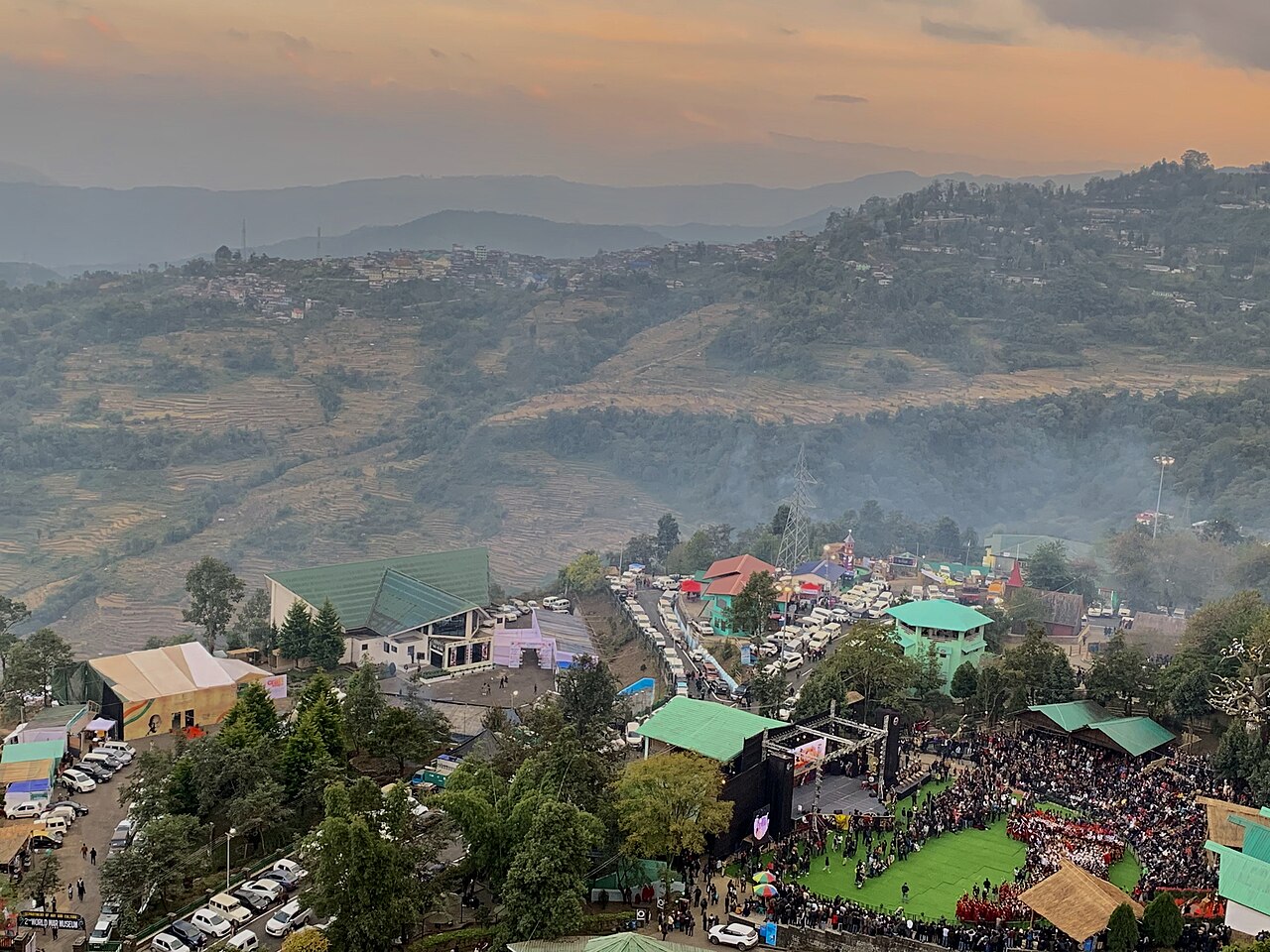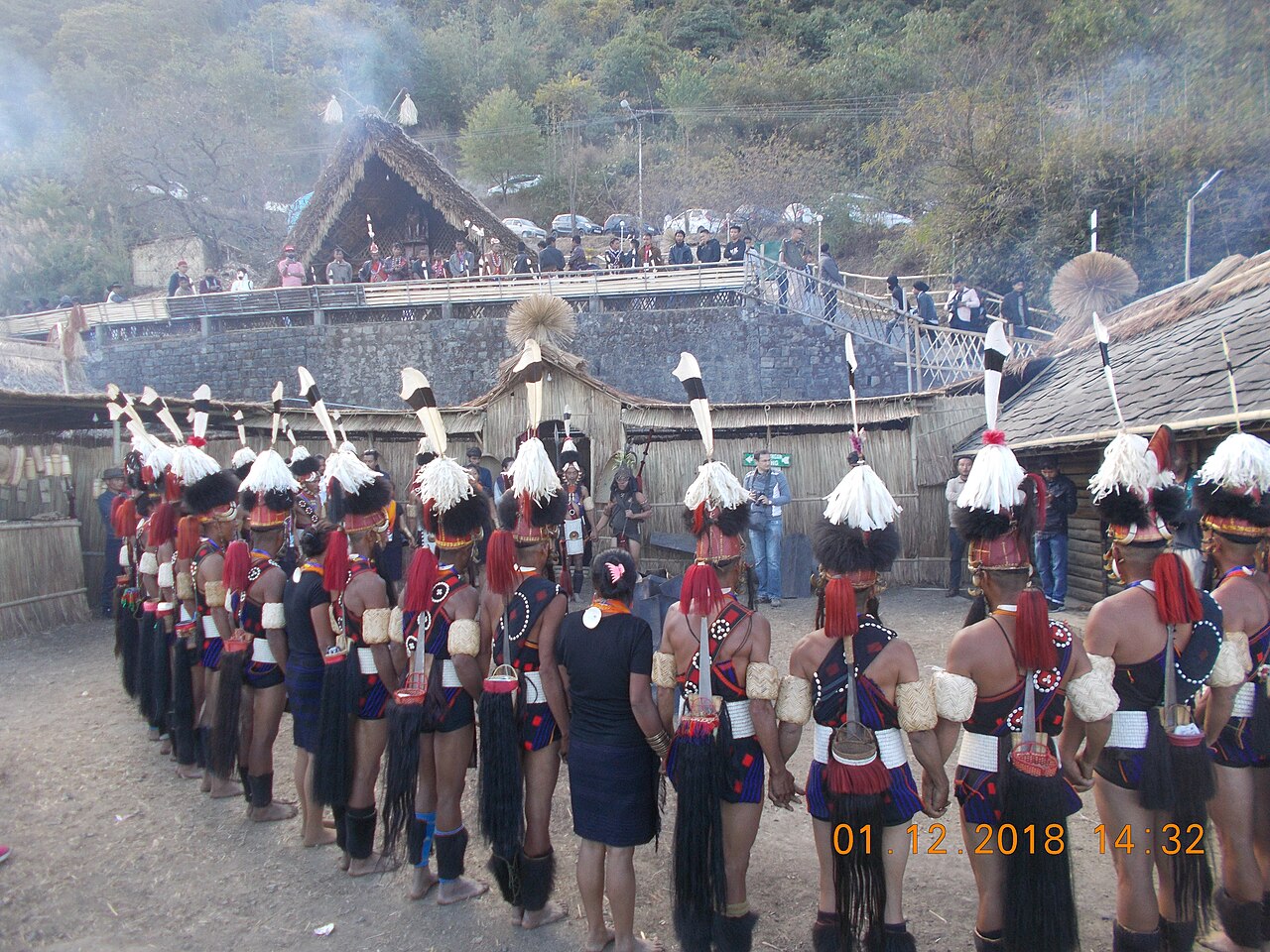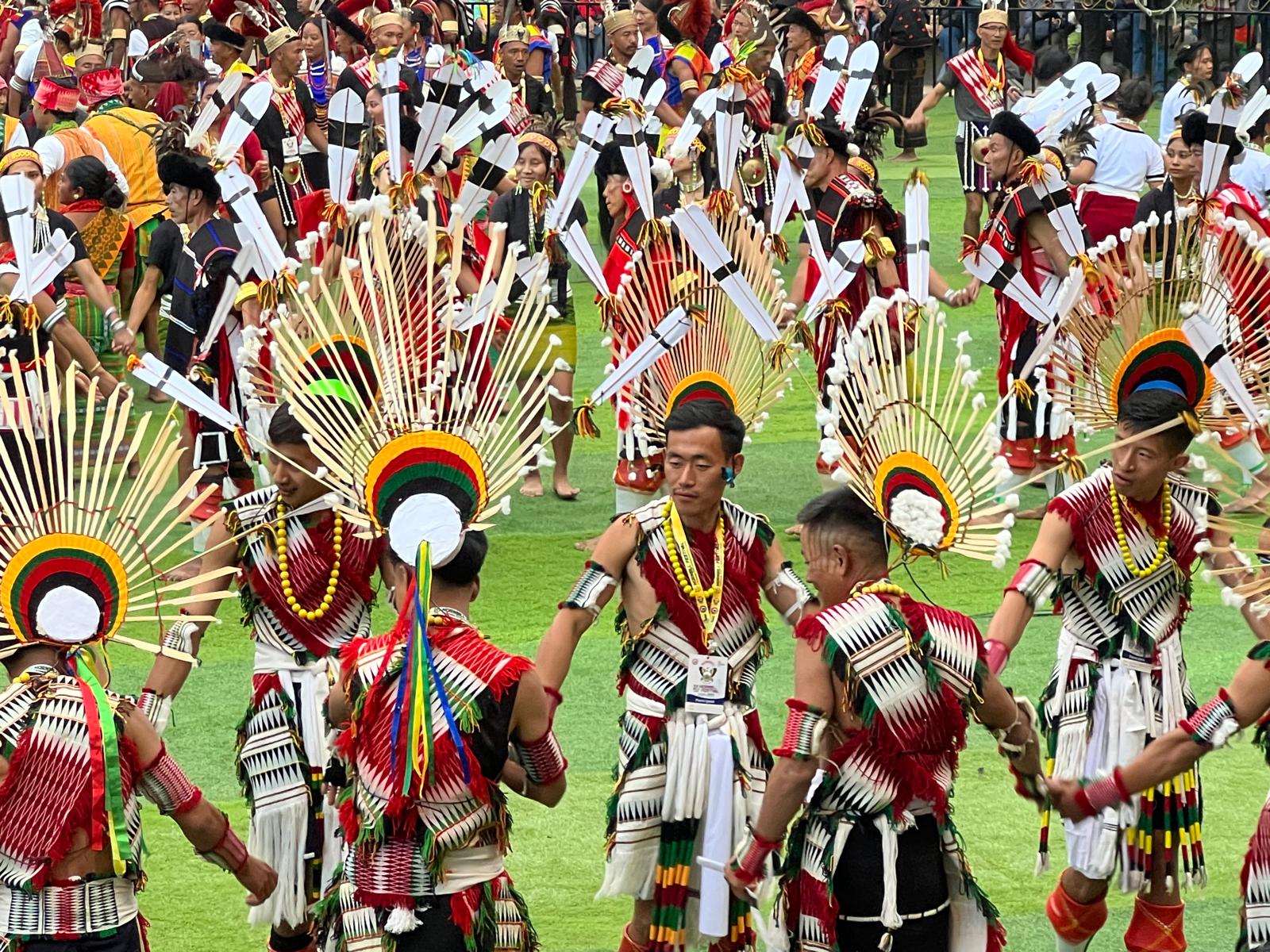
Hornbill Festival cultural performance at Kisama Heritage Village

Hornbill Festival 2026 · 1–10 December

Top 10 Things to Do at Hornbill Festival

The Hornbill Festival — Nagaland's Festival of Festivals — runs from 1 to 10 December 2026 at Kisama Heritage Village, 12 km from Kohima. Over ten days, all 16 recognised Naga tribes come together with music, dance, food, warrior games, crafts and a night carnival that takes over the whole town. If you're going once in your life, these are the ten experiences you don't want to miss — in the order most visitors enjoy them.

  1. 01Explore the Naga Morungs
  2. 02Watch Traditional Dance & Music
  3. 03Taste Authentic Naga Cuisine
  4. 04Shop for Handmade Crafts
  5. 05Attend the Hornbill Music Festival
  6. 06Watch Traditional Games
  7. 07Experience the Night Carnival
  8. 08Capture Stunning Photographs
  9. 09Meet Local Tribes and Artisans
  10. 10Watch the Grand Cultural Parade
Traditional Naga morung bachelor dormitory at Kisama Heritage Village
01

Experience 1 of 10

Explore the Naga Morungs

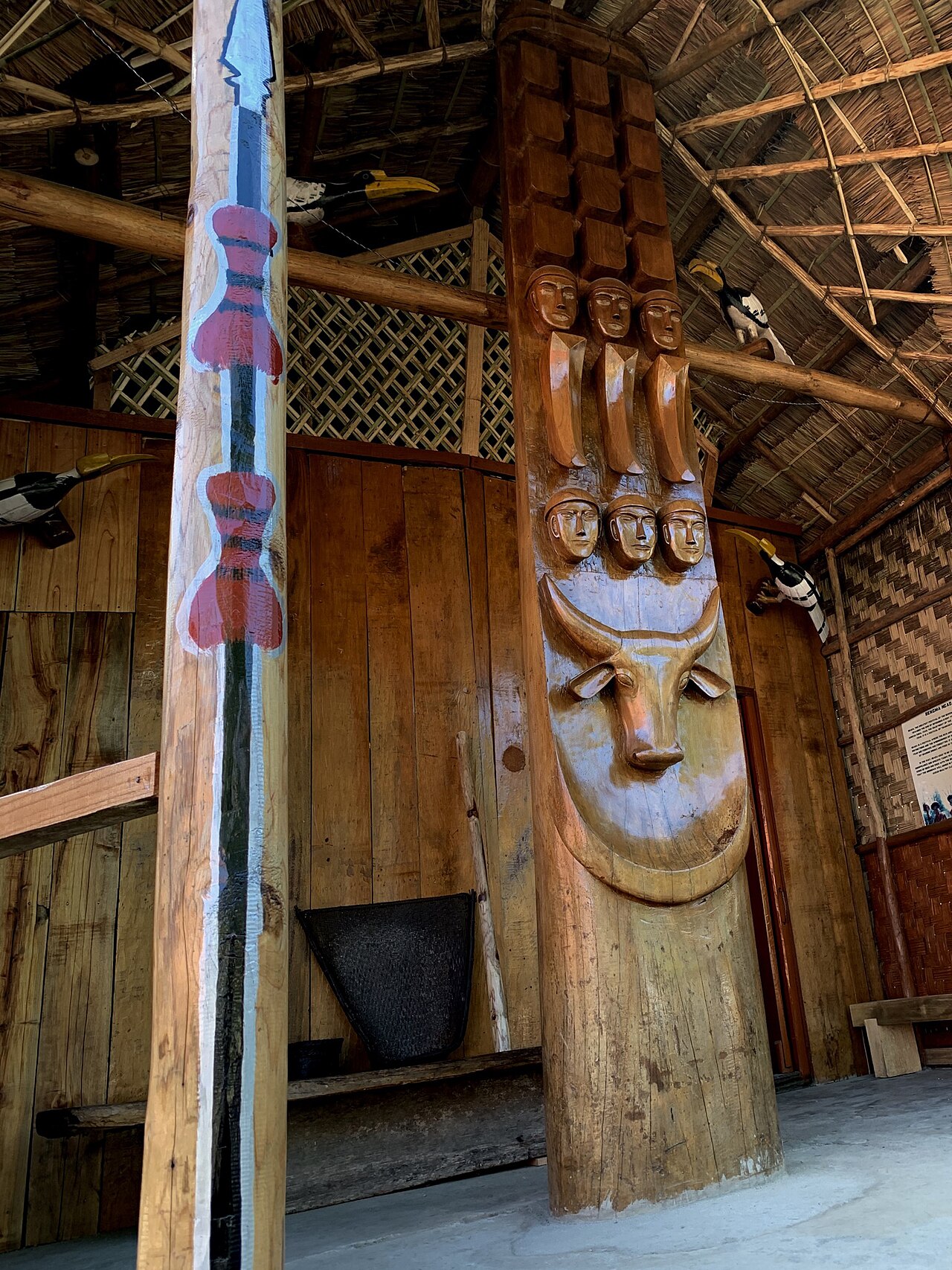
The 17 morungs at Kisama are life-sized reconstructions of tribal bachelor dormitories — one for each of the 16 recognised Naga tribes plus the Kachari. Wander in and you'll meet elders in full regalia, see log drums, warrior shawls, headhunting trophies, live weaving looms and rice-beer being poured from bamboo. Each morung has its own character: Konyak's carved log drum, Angami's stone gateway, Ao's Sangpangtu fire circle, Chakhesang's all-women weaving demo. Give yourself two unhurried hours — it's the single richest cultural experience at the festival.

Kisama venue & morung guide
Naga tribes performing traditional dance in the Kisama arena
02

Experience 2 of 10

Watch Traditional Dance & Music

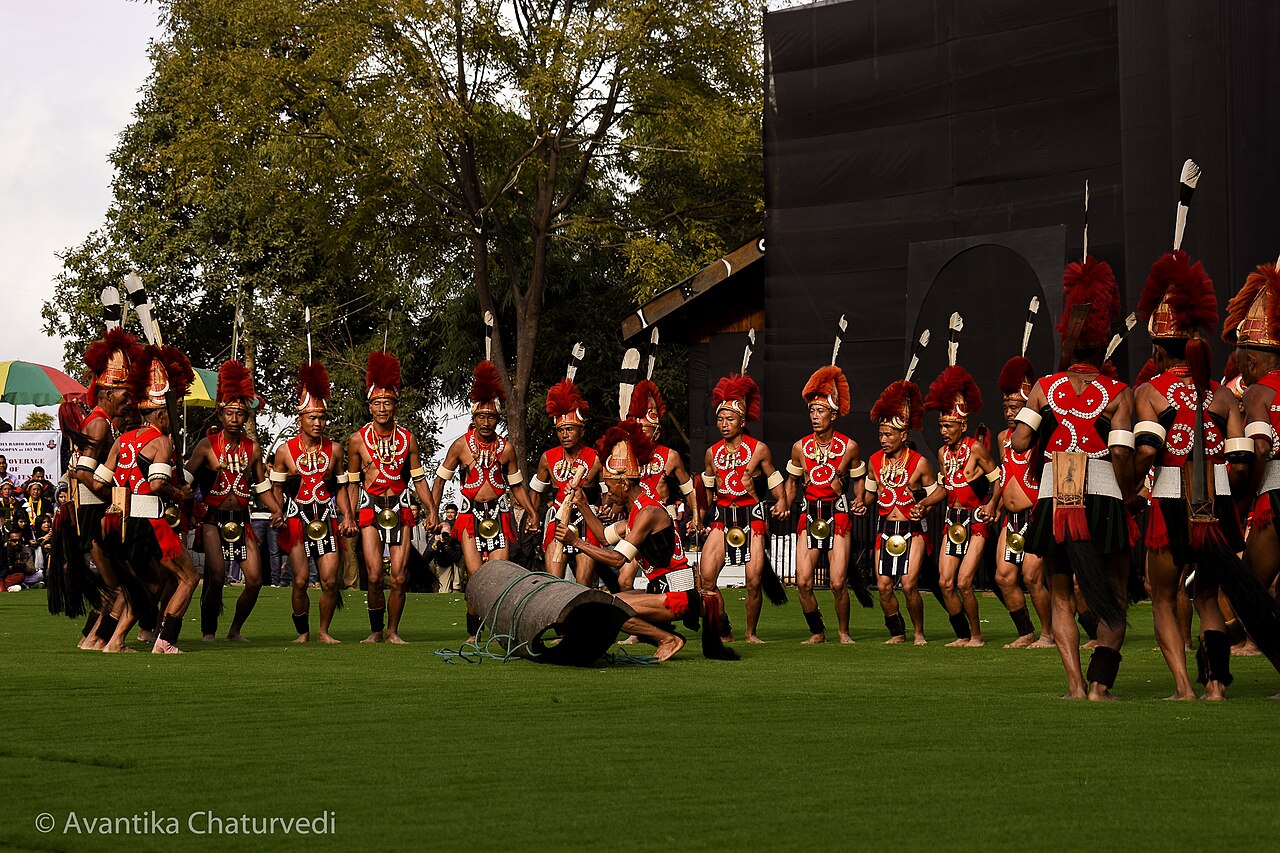
The main arena runs a rolling programme from around 10 a.m. to 3.30 p.m. — war dances, harvest songs, courtship dances, log-drum ensembles, throat singing and hair-raising battle cries. Each tribe performs in full traditional dress: red-and-black Angami shawls, Ao head-hunter feathers, Konyak brass skulls, Chakhesang women's ivory jewellery. Seats fill by 9.30 a.m. on opening day (1 December) and closing day (10 December); other days you can wander in and out. Sit in the front-left arc for the best light for photography.

Hornbill 2026 daily programme
Naga food stalls at Hornbill Festival serving smoked pork and bamboo shoot
03

Experience 3 of 10

Taste Authentic Naga Cuisine

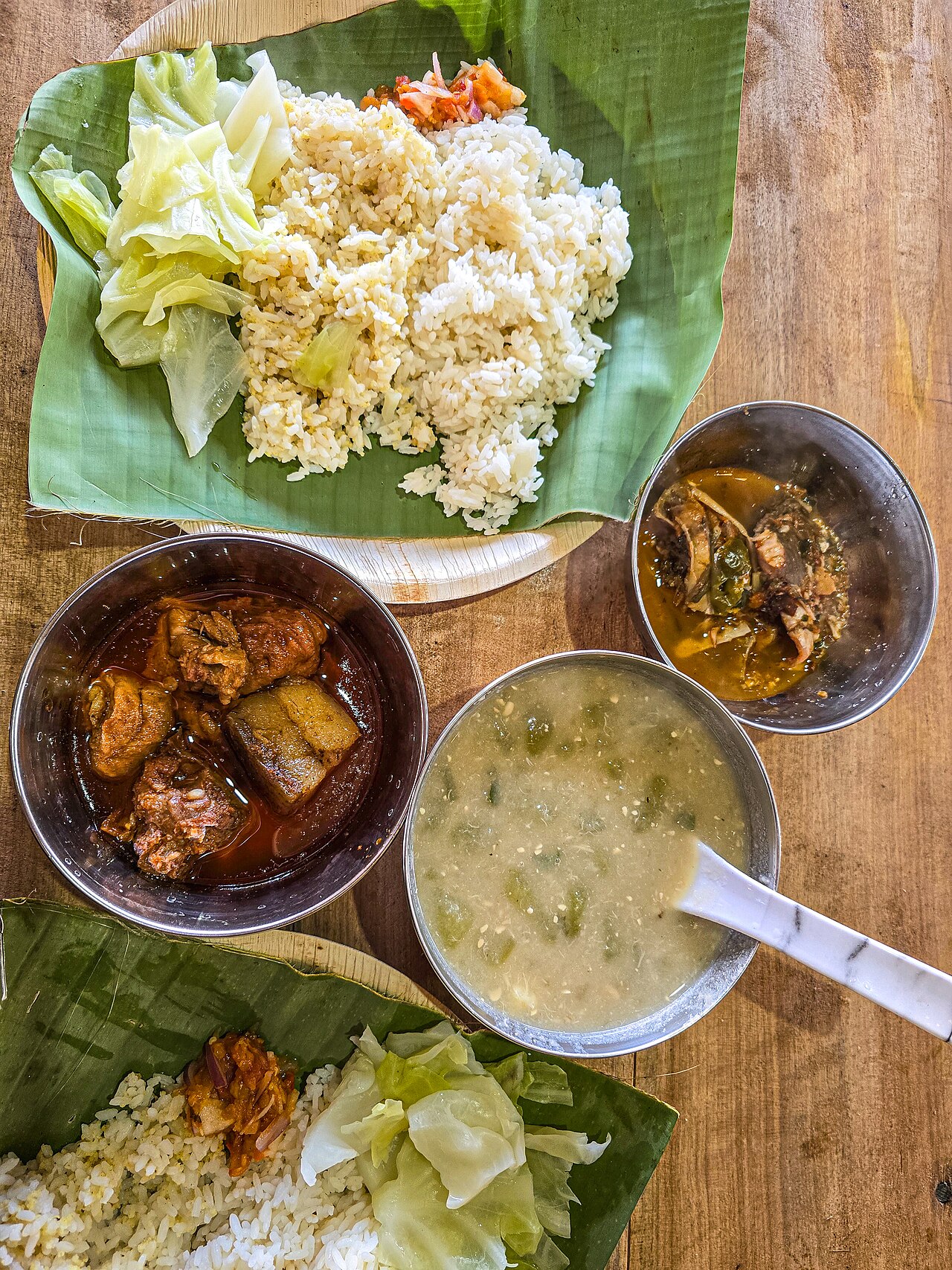
Every morung runs its own kitchen serving that tribe's speciality — smoked pork with axone, bamboo-shoot curries, dried river fish, sticky red rice, akhuni chutney, king-chilli pickle, silkworm and hornet larvae for the brave. The main food court adds Naga thalis, momos, khao suey and Kohima-style barbecue. Wash it down with zutho (rice beer) or khor (millet beer) at the Angami and Chakhesang morungs. Vegetarian options exist but are limited — order the perilla-seed chutney, boiled greens and fermented soya bean.

Naga food guide
Handwoven Naga shawls and bamboo crafts on display at Hornbill Festival bazaar
04

Experience 4 of 10

Shop for Handmade Crafts

The crafts bazaar behind the arena is the best place in India to buy authentic Naga textiles and tribal art directly from makers. Look for handwoven shawls (each tribe has its own pattern and colour code), bamboo baskets, cane furniture, wood carvings, tribal jewellery in coral and shell, black pottery from Ungma, and Naga king-chilli products. Prices are fair and mostly non-negotiable. Carry cash — UPI works at bigger stalls but patchy signal often forces cash. Ask before photographing weavers up close.

About the artisans
Hornbill International Rock Contest evening concert in Kohima
05

Experience 5 of 10

Attend the Hornbill Music Festival

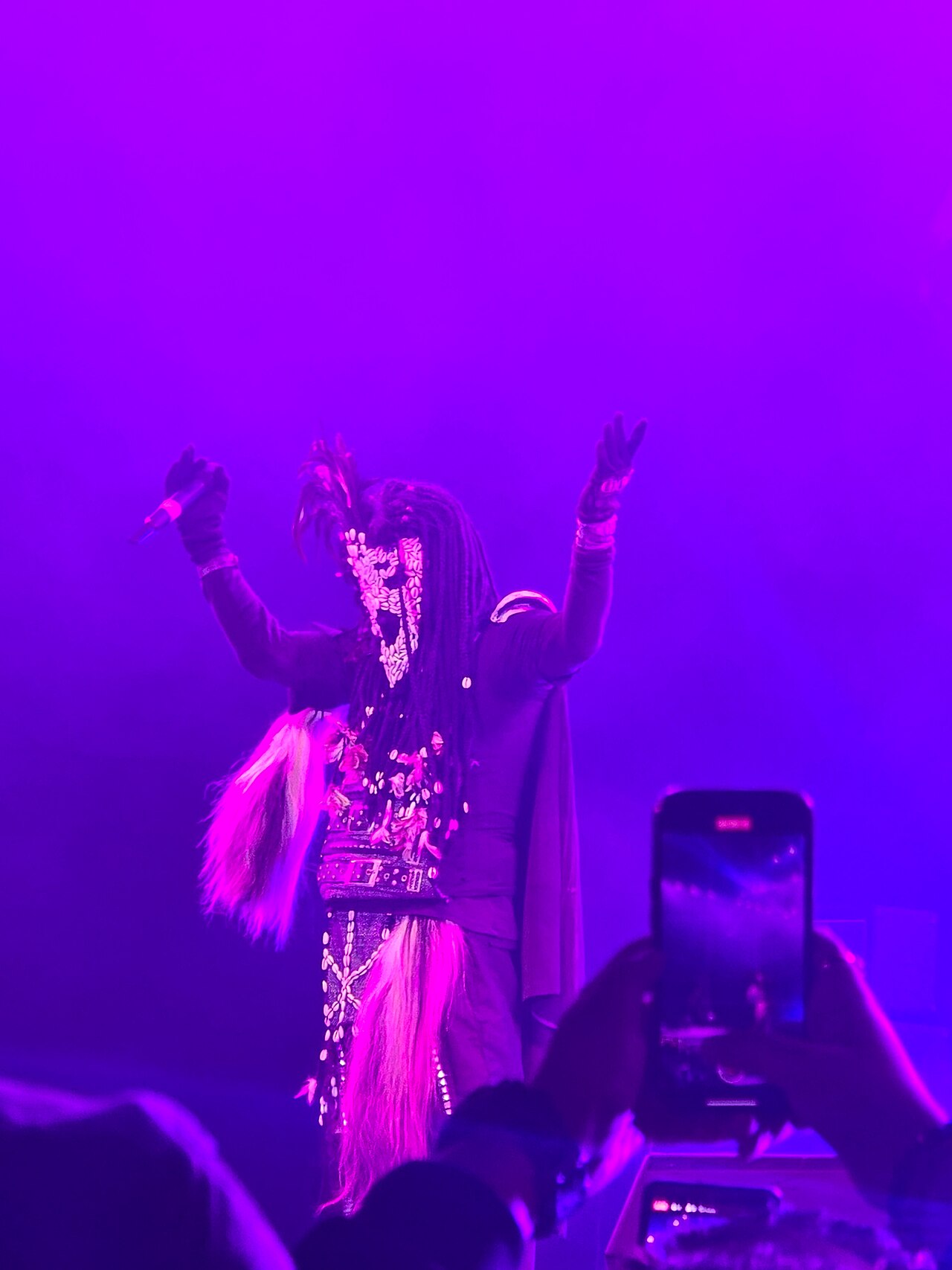
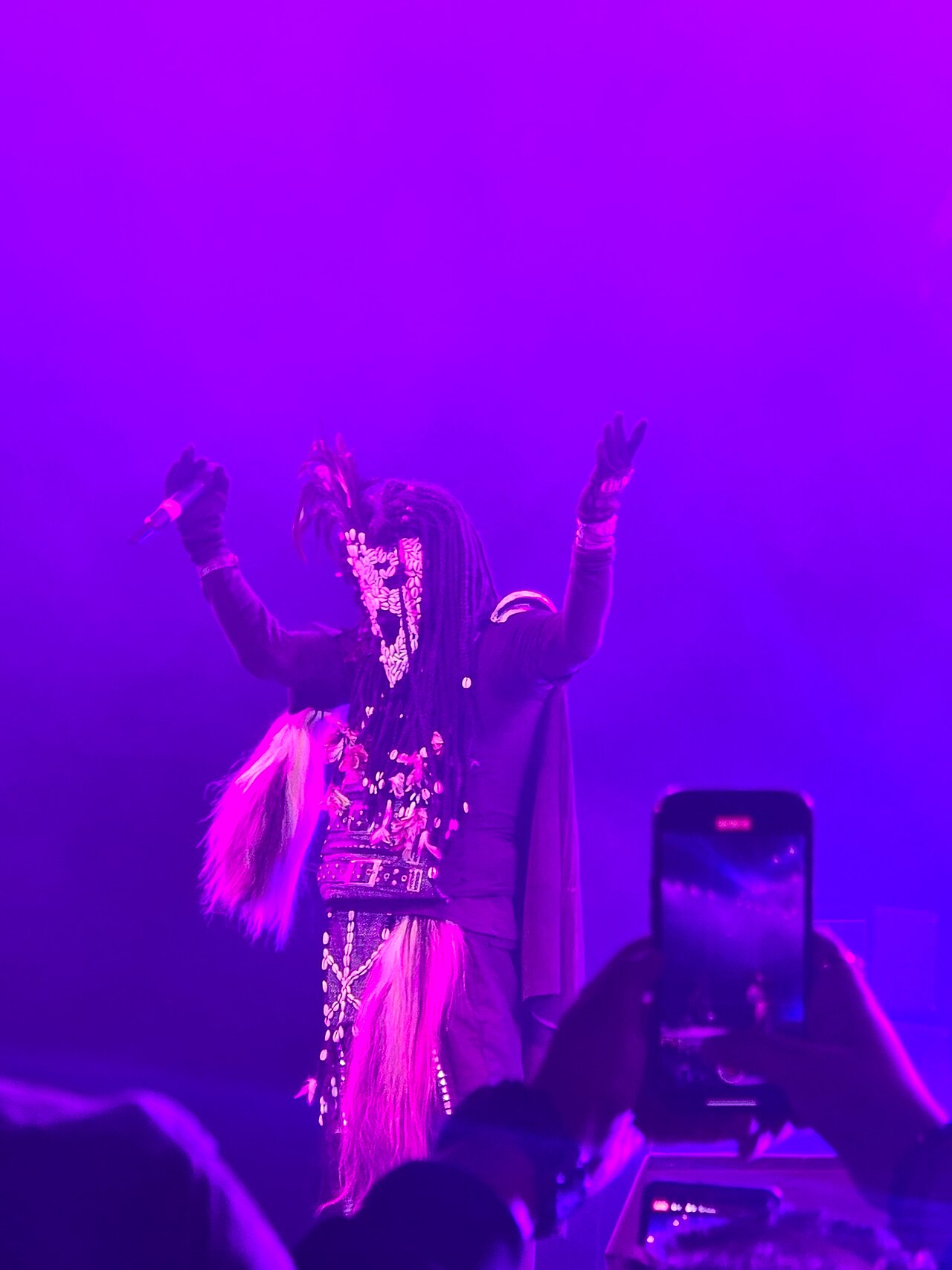
Every evening from around 5 p.m., the festival shifts from Kisama to Kohima for the Hornbill International Music Festival and the Hornbill National Rock Contest — Nagaland's flagship music platform, held for over two decades. Expect polished Naga rock, indie, blues, folk fusion and international headliners in a packed open-air arena. Tickets are inexpensive and sold at the gate; go early for the best standing spot. Wrap up warm — Kohima drops to 5–8 °C after dark in December.

Nightly music schedule
Kisama main arena where Naga traditional games and contests are held at Hornbill Festival
06

Experience 6 of 10

Watch Traditional Games

Between dance sets, the arena hosts indigenous Naga sports that are hilarious, physical and deeply competitive — Naga wrestling (grip-and-throw with no ground game), greasy-bamboo climbing, top-spinning, chilli-eating contests, pork-fat eating contests, tug-of-war and traditional archery with bamboo bows. The crowd participation is half the fun; foreign visitors are often invited to try. Schedules are announced by the arena host — glance at the daily programme board near the main gate each morning.

Kohima Night Carnival with music and lights during Hornbill Festival
07

Experience 7 of 10

Experience the Night Carnival

After the arena closes, Kohima itself becomes the festival. The Night Carnival on MG Road and BOC junction takes over the streets with food trucks, craft stalls, buskers, DJ sets and pop-up bars serving zutho and craft beer. Christmas illuminations go up in the first week of December, so the whole town glows. It's safe, walkable and family-friendly until around midnight. Combine it with a stop at Dream Café or De Oriental Grand's rooftop for the view.

Getting around Kohima
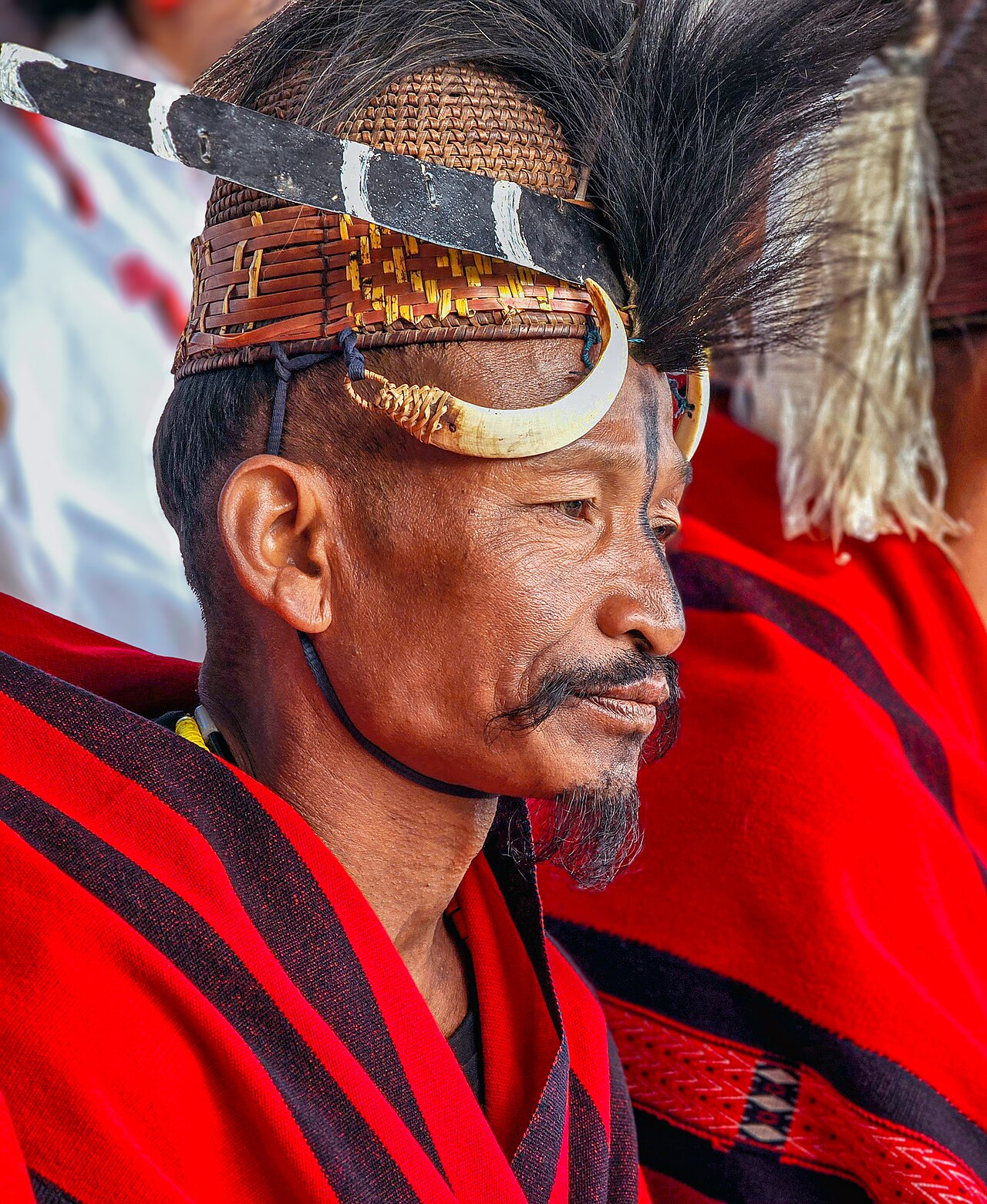
Konyak Naga elder in full regalia — a signature Hornbill Festival portrait
08

Experience 8 of 10

Capture Stunning Photographs

Few festivals give photographers this much: warriors in full regalia, tattooed Konyak elders, weaving grandmothers, dance formations in golden morning light, silhouettes at the arena fire. Best light is 8–10 a.m. inside the morungs and 3–4 p.m. on the arena's western edge. Bring a 24–70 for portraits, a 70–200 for the arena, and always ask before shooting an elder up close — a small tip or a printed photo posted later is deeply appreciated. Avoid direct flash inside morungs.

Full photography guide
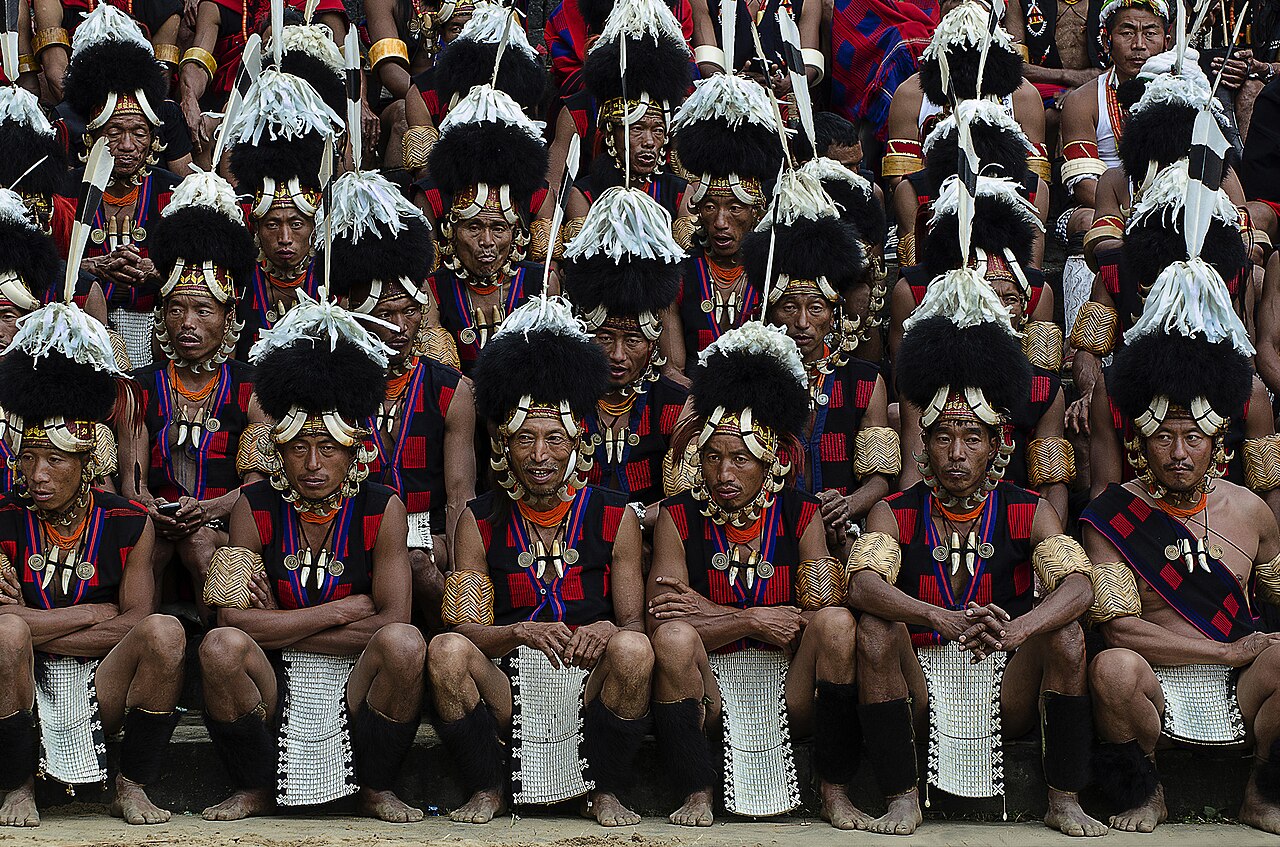
Naga tribe team members in traditional dress at Hornbill Festival
09

Experience 9 of 10

Meet Local Tribes and Artisans

The morungs aren't a museum — they're staffed by real villagers who've travelled from Mon, Tuensang, Phek and Kiphire to represent their tribe. Sit down, share a bamboo cup of rice beer, ask about a shawl motif or a weapon on the wall, and you'll hear stories no guidebook prints. English is widely spoken by the younger volunteers; Nagamese and Hindi work with the elders. Read up on the 16 tribes beforehand so you can ask better questions — it changes the entire experience.

Guide to all 16 tribes
Grand cultural parade of Naga tribes at Hornbill Festival opening day
10

Experience 10 of 10

Watch the Grand Cultural Parade

The opening ceremony on 1 December and the closing on 10 December feature a grand parade of all 16 tribes marching in formation through the Kisama arena — the single most photographed moment of the festival. Contingents carry tribal flags, log drums, warrior shields and enormous woven banners; the chief guest (usually the Governor or a visiting head of state) takes the salute. Get to the arena by 8.30 a.m. for a good view; the parade starts around 10 a.m. after a short ceremonial welcome.

Full 10-day schedule

Plan Your Visit

Turn these 10 experiences into a real trip

Every itinerary we design is shaped around what you actually want to do at Hornbill — morungs, music, photography or all of it. Tell us your dates and interests and we'll plan the rest.

Frequently Asked Questions

What is the number one thing to do at Hornbill Festival?

Exploring the 17 morungs at Kisama Heritage Village is the single richest experience — each is a life-sized reconstruction of a tribe's bachelor dormitory with elders in traditional dress, live crafts and food from that tribe.

How many days do I need to cover the main things to do?

Three full days at Kisama covers all 17 morungs, the arena performances, the crafts bazaar and the evening music festival in Kohima. Add one day for the Night Carnival and Kohima sights, and one day for a nearby village like Khonoma.

Is the Hornbill Festival family-friendly?

Yes. The morungs, arena performances, crafts bazaar and food courts are all family-friendly. Some evening music concerts run late and are better suited to adults and older teens.

Can I photograph the tribes and the performances?

Yes, photography is welcomed in the arena and around the morungs. For close-up portraits of elders, always ask first — a small tip or a printed photo sent later is appreciated. No flash inside morungs.

What should I buy at the Hornbill Festival?

Handwoven tribal shawls (each tribe has its own pattern), bamboo and cane crafts, black pottery from Ungma, tribal jewellery, wood carvings and Naga king-chilli products. Buy directly from the crafts bazaar behind the arena.

Is there an entry fee for Hornbill Festival?

Yes, there is a small entry ticket sold at the Kisama gate. Indian visitors also require an Inner Line Permit (ILP) and foreign visitors need a Protected Area Permit (PAP) to enter Nagaland.

Related Guides