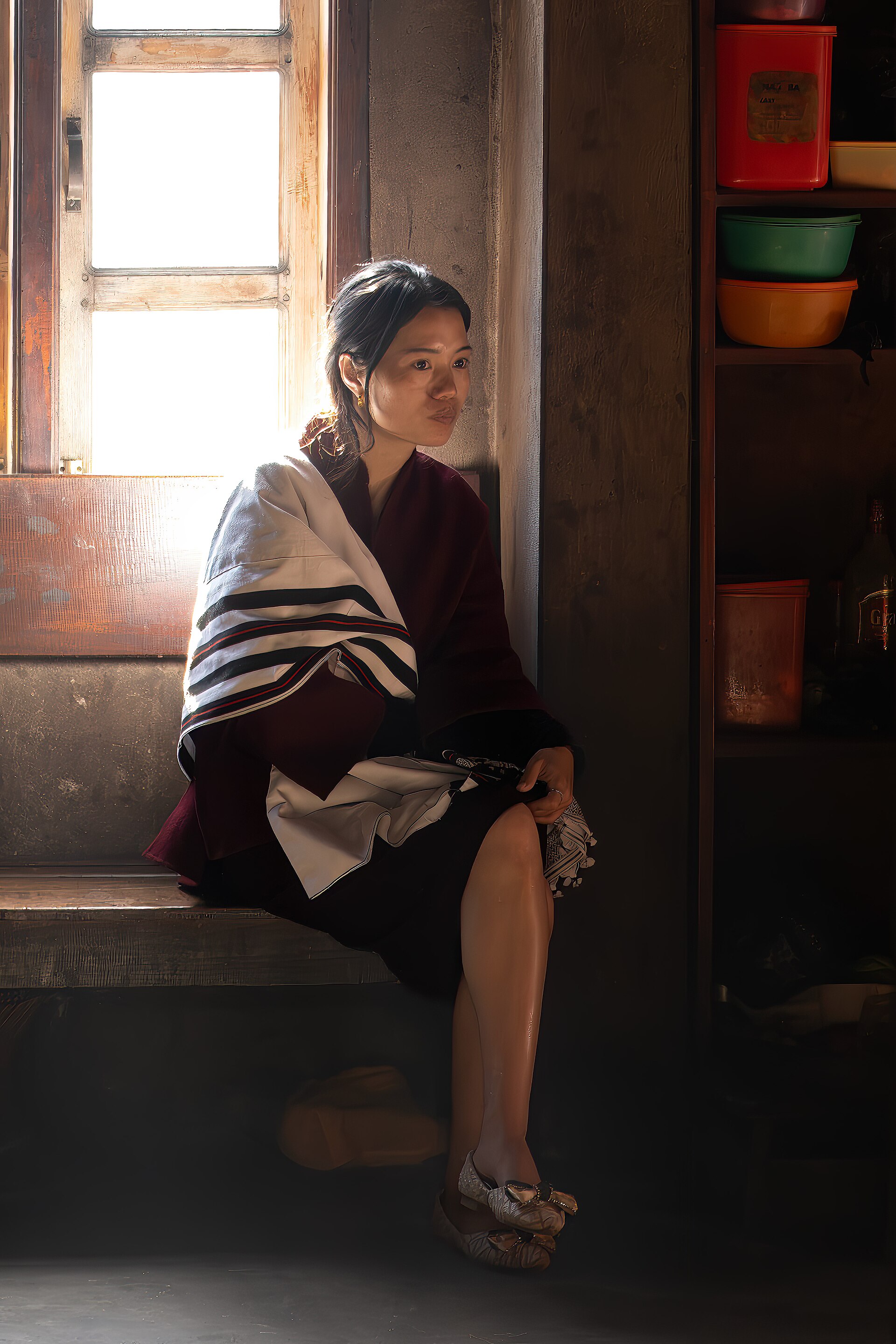
Kohima District
Angami
The host tribe of Kohima — stone-walled villages, terraced rice fields and the famous Sekrenyi festival.
Explore CultureIndependently operated: HornbilFestival.com is a privately managed travel information and booking website. It is not the official Hornbill Festival website.
Read disclaimerKisama Heritage Village · Kohima · Nagaland
1–10 December 2026 · Kisama Heritage Village, Kohima · All 17 Naga tribes.
About the Festival
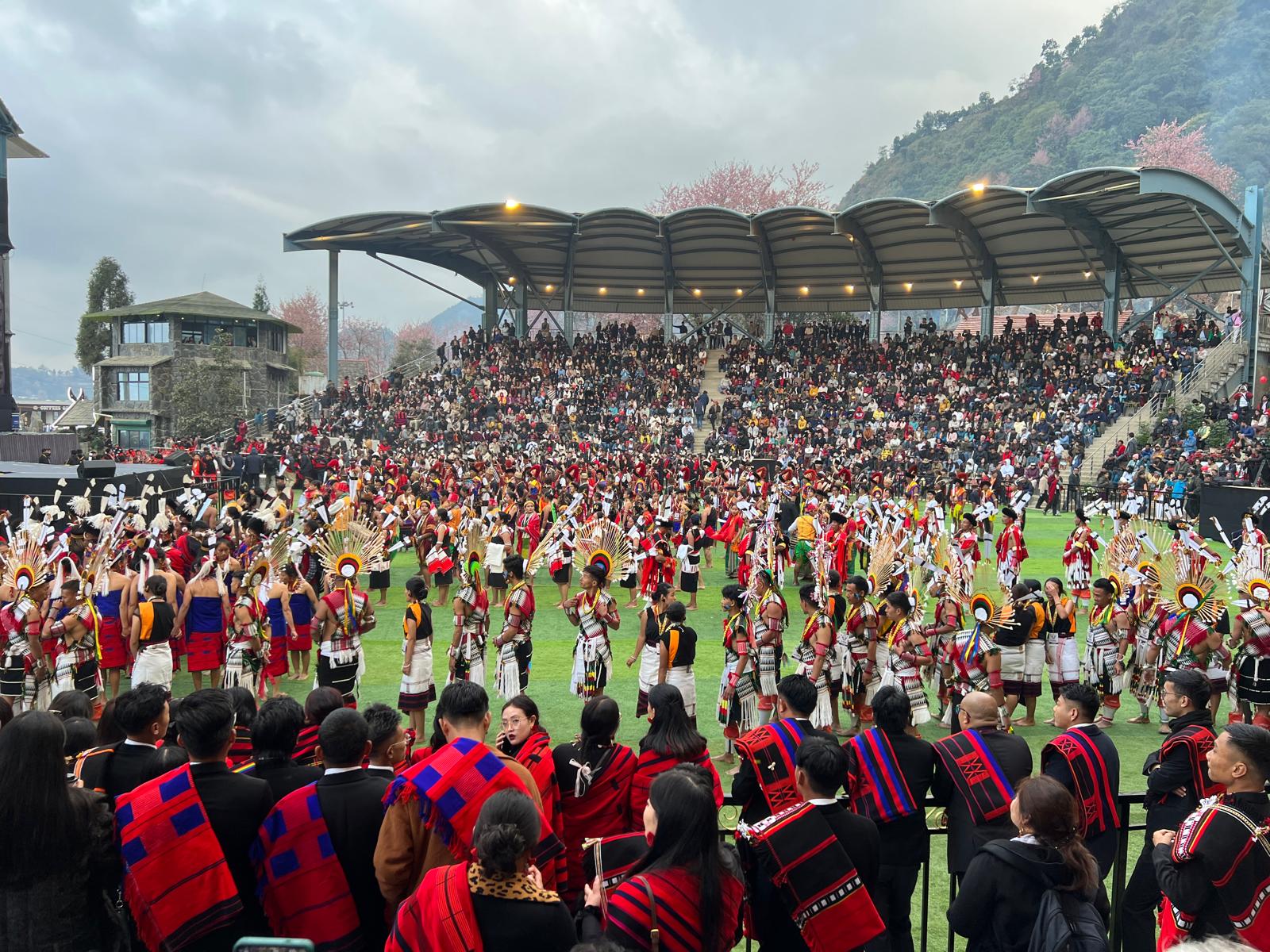
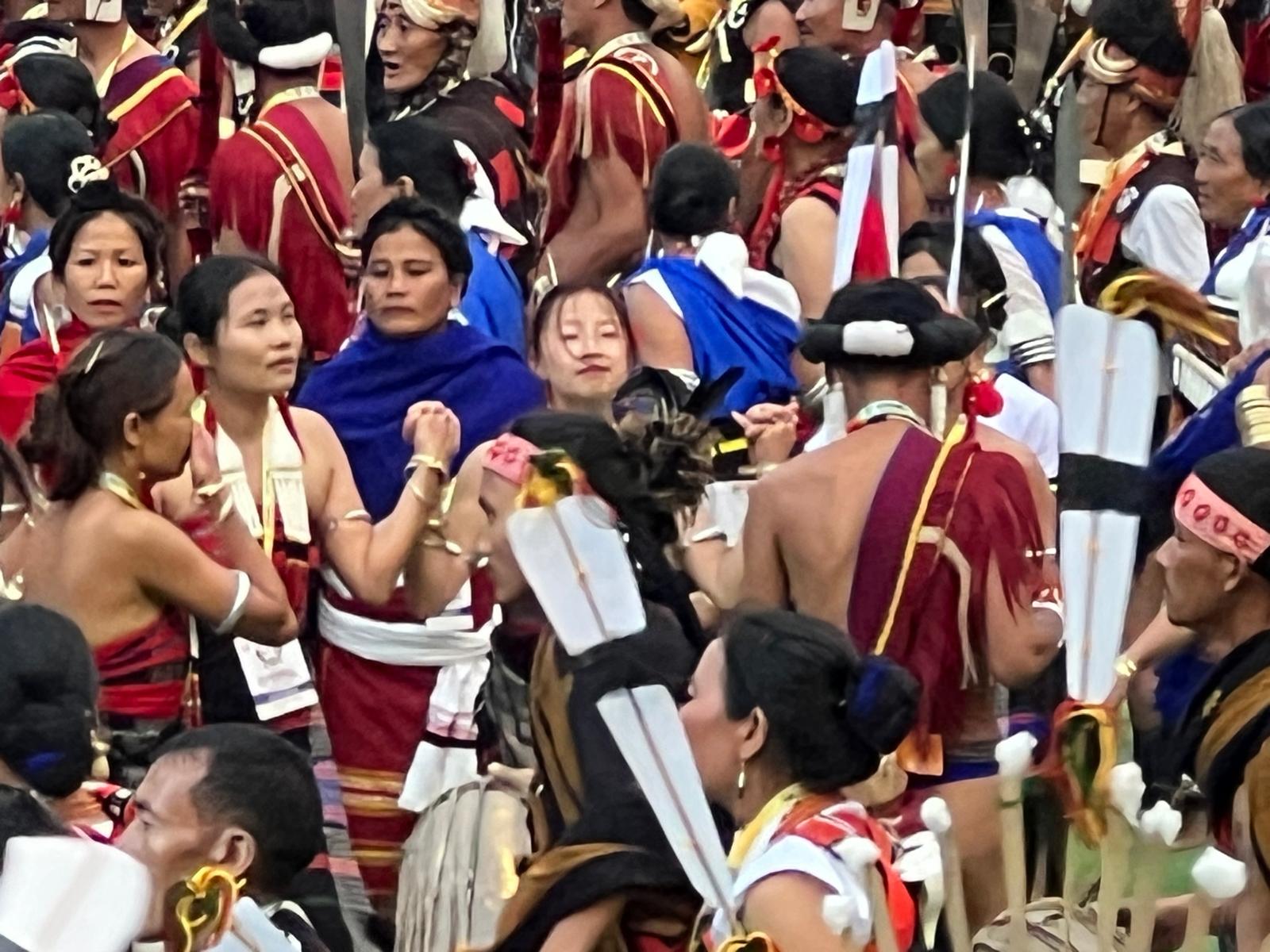
The Hornbill Festival is Nagaland's flagship cultural festival, held every year from 1 to 10 December at Kisama Heritage Village, about 12 km south of Kohima. Launched by the Government of Nagaland in 2000 to encourage inter-tribal interaction and promote Naga cultural heritage, it is popularly called the "Festival of Festivals" and named after the Indian hornbill — a bird revered across Naga folklore.
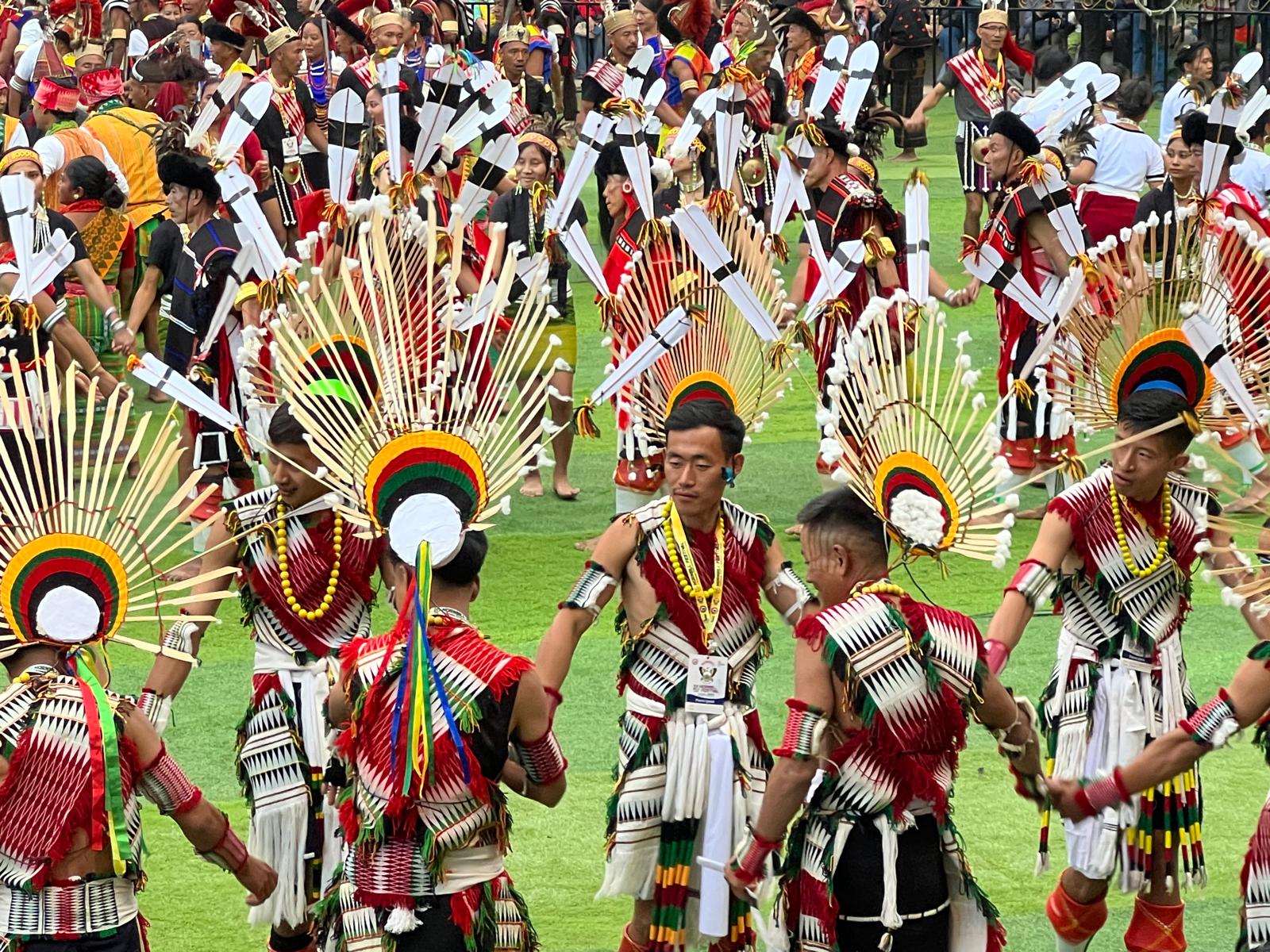
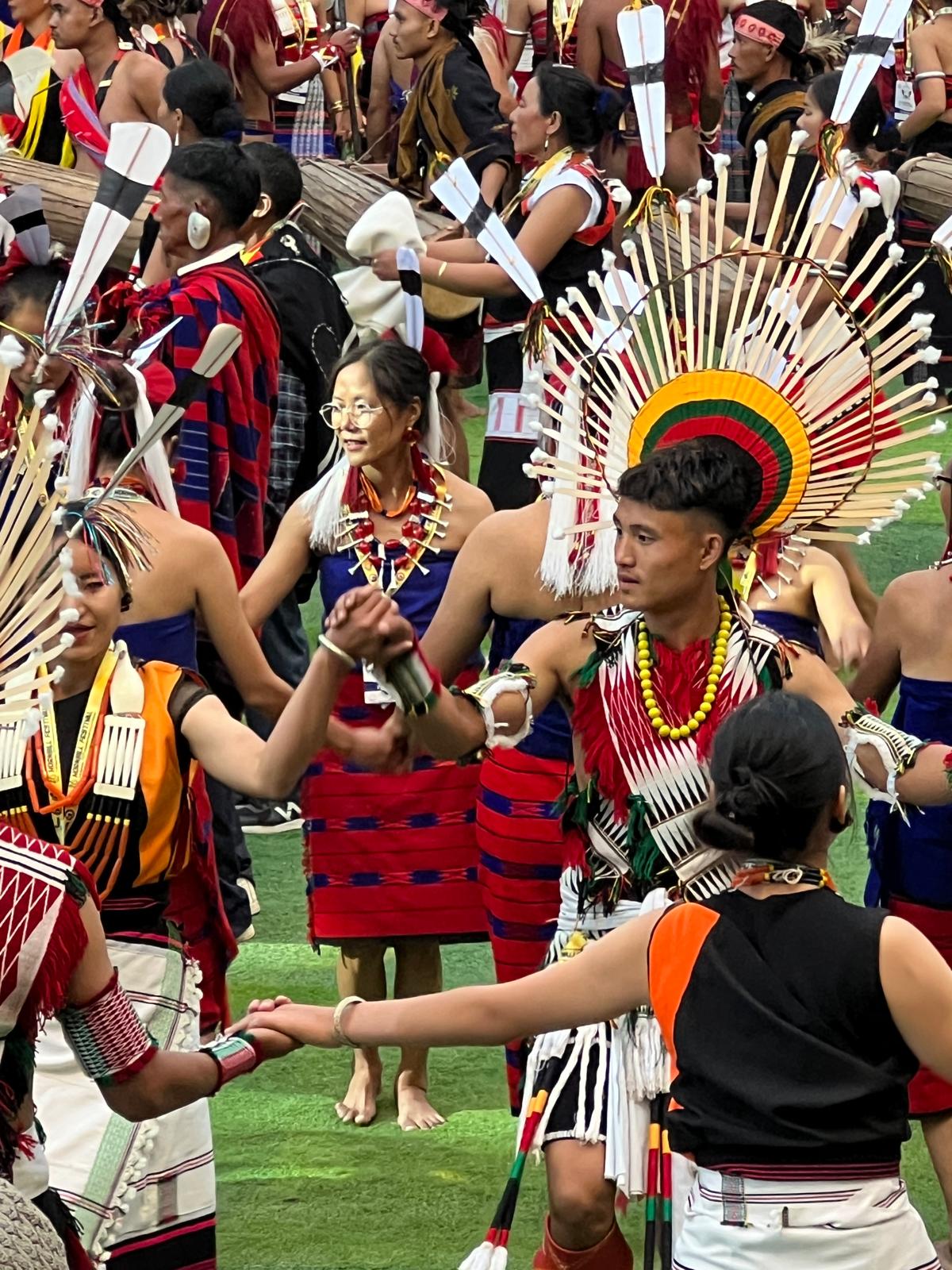
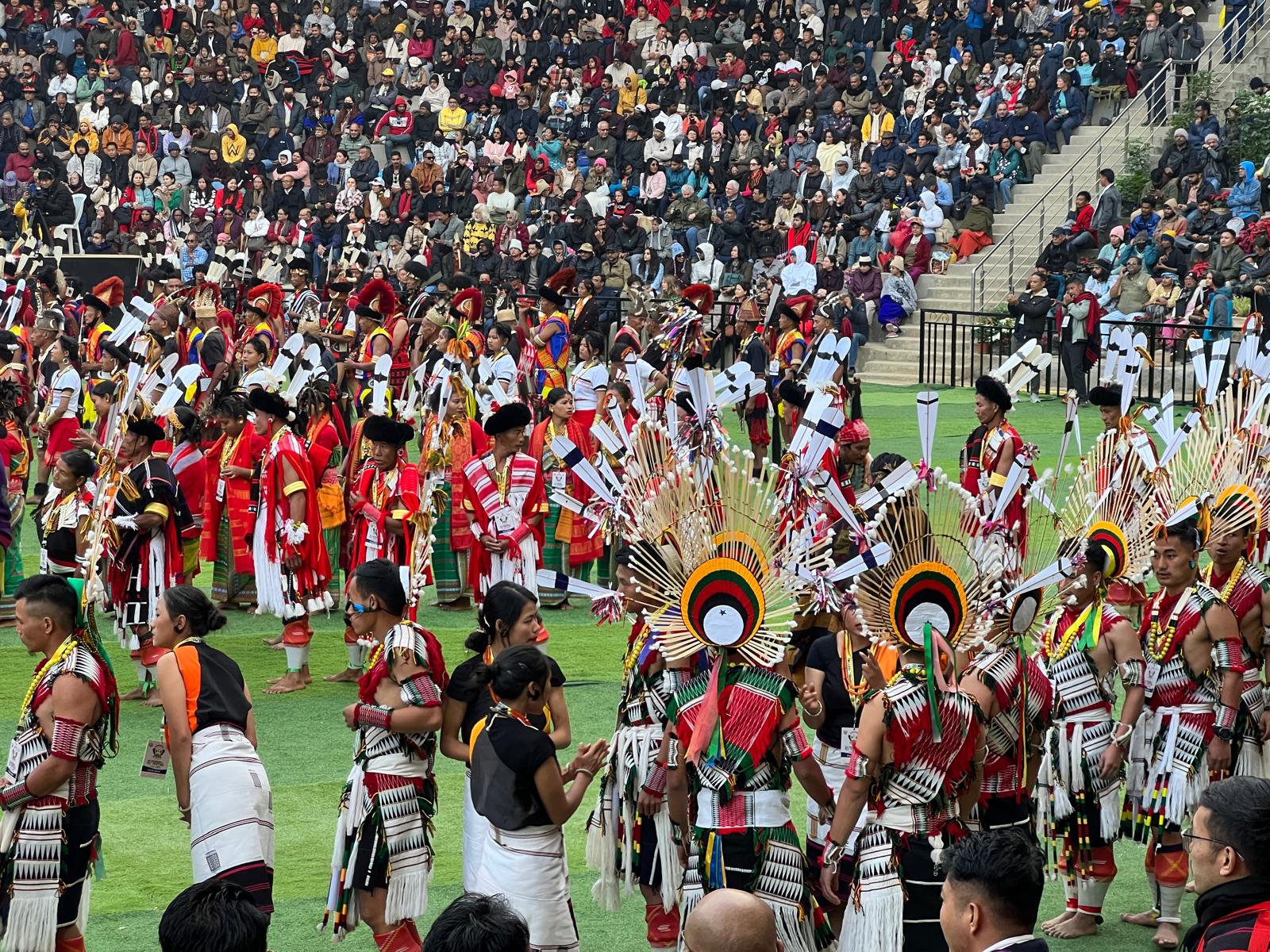
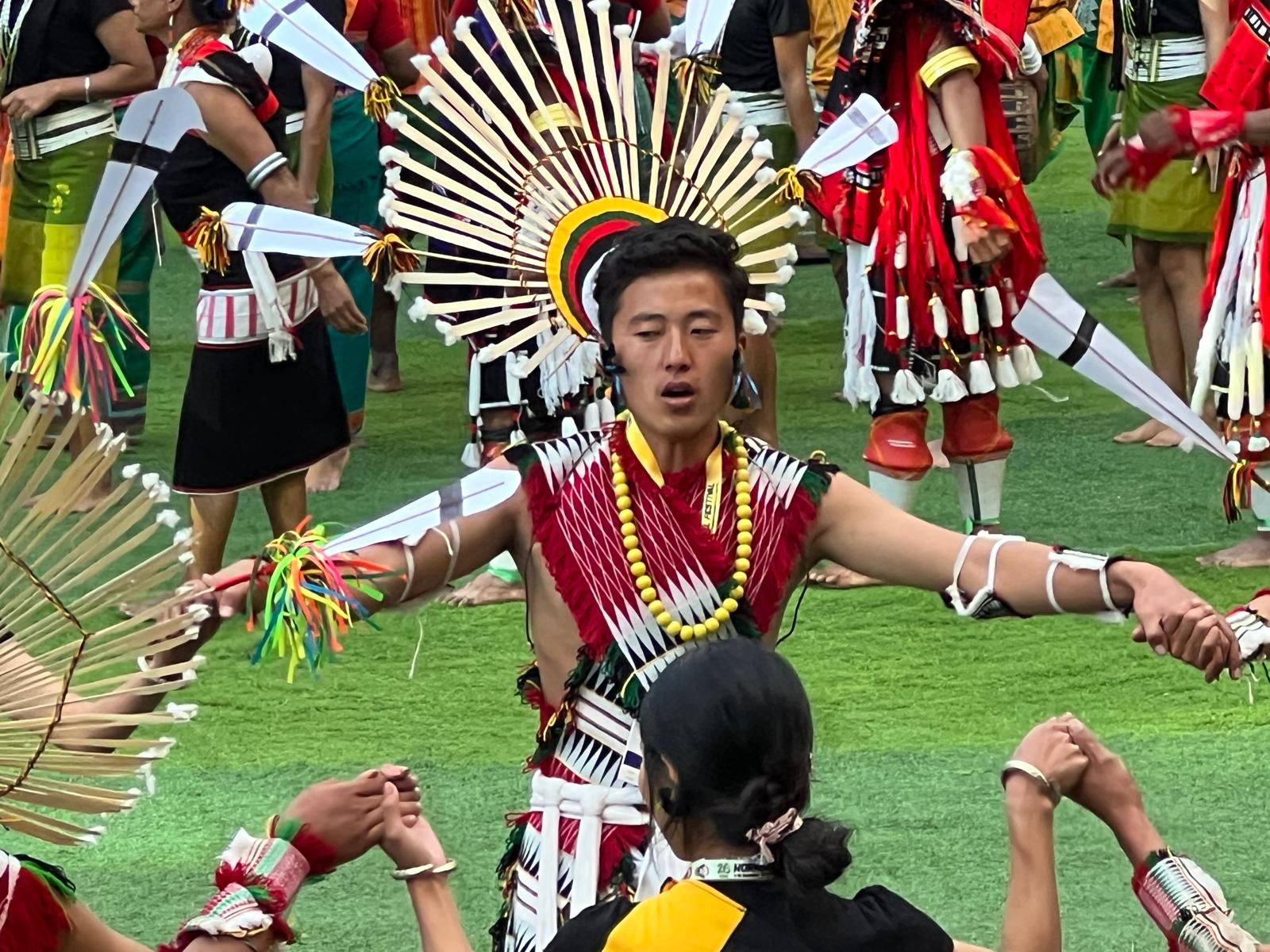
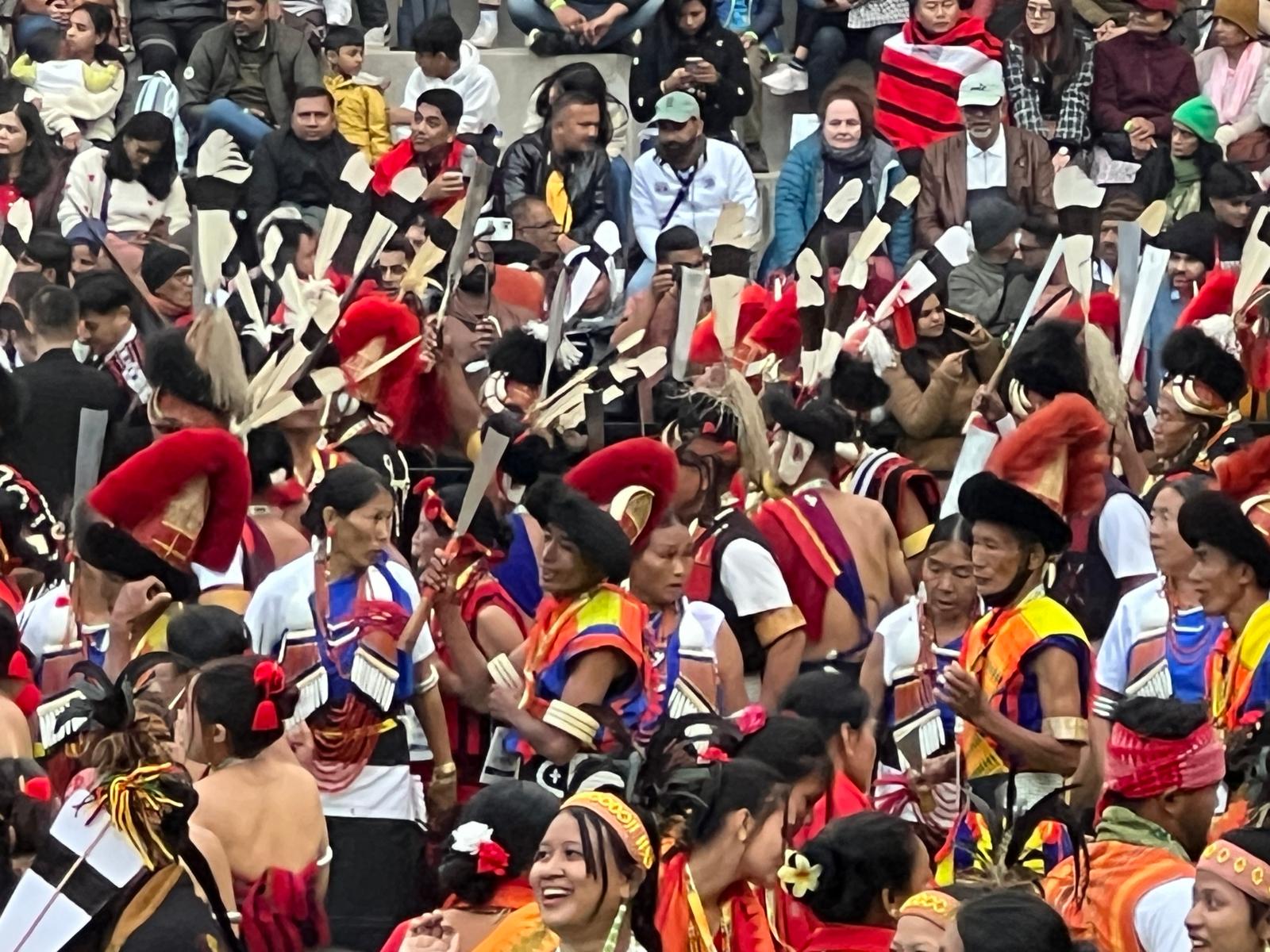
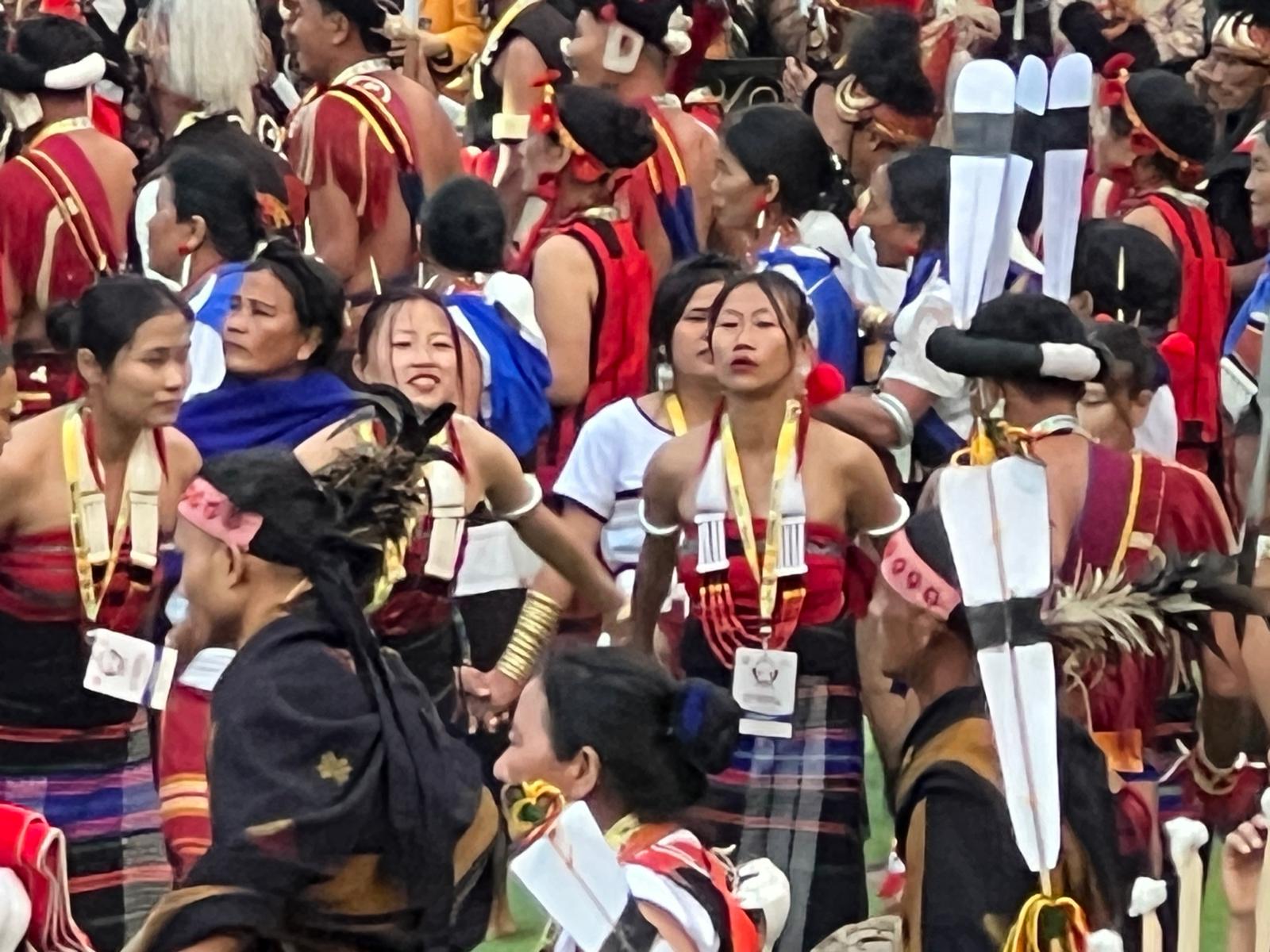
The Government of Nagaland's state profile lists 17 recognised tribes — Angami, Ao, Chakhesang, Chang, Kachari, Khiamniungan, Konyak, Kuki, Lotha, Phom, Pochury, Rengma, Sangtam, Sumi, Tikhir, Yimkhiung and Zeliang. The festival brings together cultural troupes and communities from across Nagaland; the exact participating contingents and daily performances are confirmed through the official annual programme. Tribes taking part set up their own morung (traditional wooden hut), perform warrior dances and folk songs, cook their cuisine and showcase weaves, crafts and rice beer. Past editions have also featured indigenous games, Naga wrestling, chilli-eating contests, a night carnival in Kohima and evening music programmes at venues in and around Kohima.
It's loud, colourful and deeply rooted — less a show, more a gathering. By day two, you're usually being pulled into a dance circle by someone you met an hour ago.
Cultural Heritage
One of the most fascinating aspects of the Hornbill Festival is the opportunity to experience the traditions, customs and cultural heritage of Nagaland's diverse tribal communities in one place. Each tribe has its own language, attire, architecture, festivals and way of life, making Hornbill Festival a unique cultural gathering.
The host tribe of Kohima — stone-walled villages, terraced rice fields and the famous Sekrenyi festival.
Explore Culture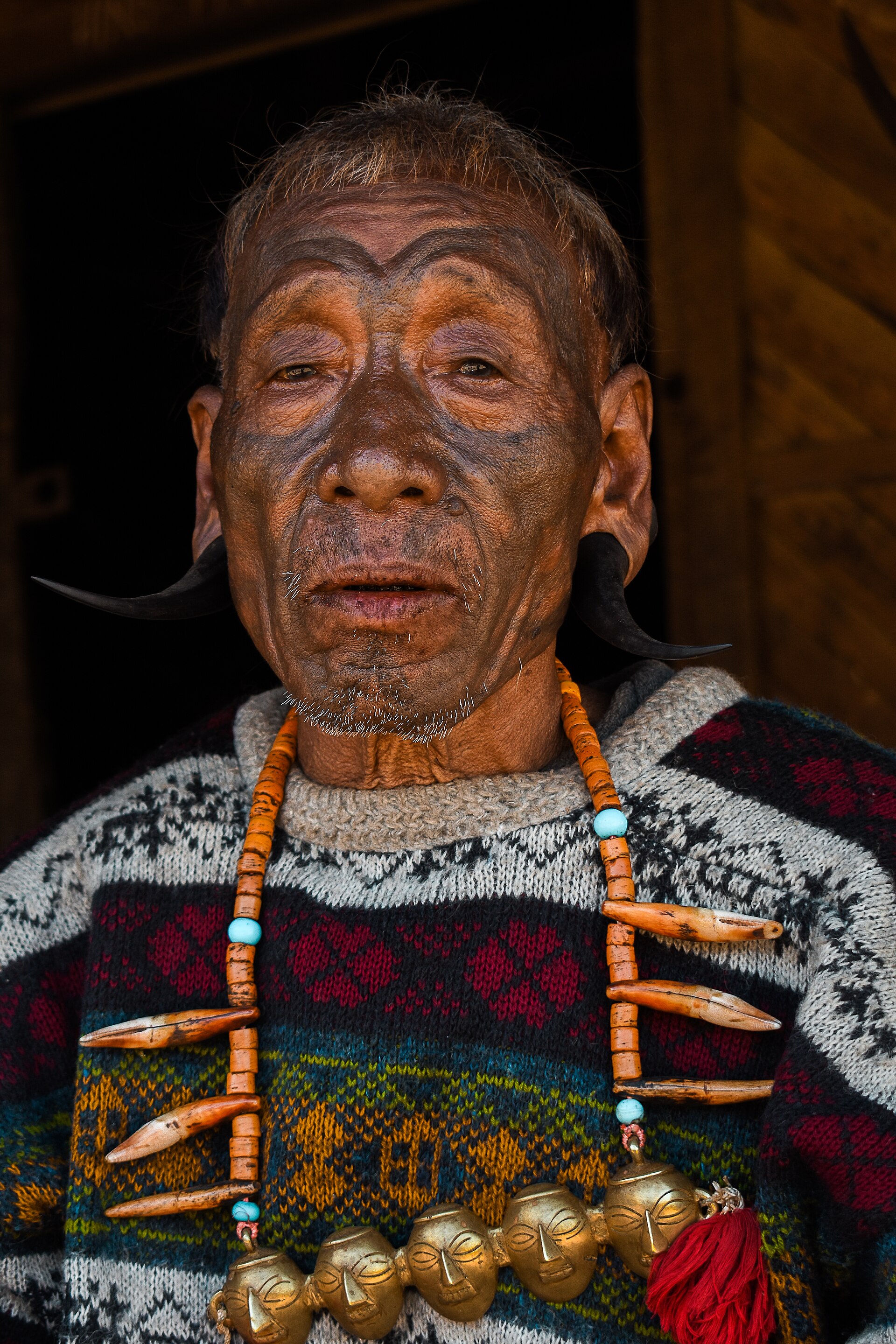
Once feared headhunters, now Nagaland's most photographed elders — facial tattoos, brass-skull necklaces and Aoleang spring festival.
Explore Culture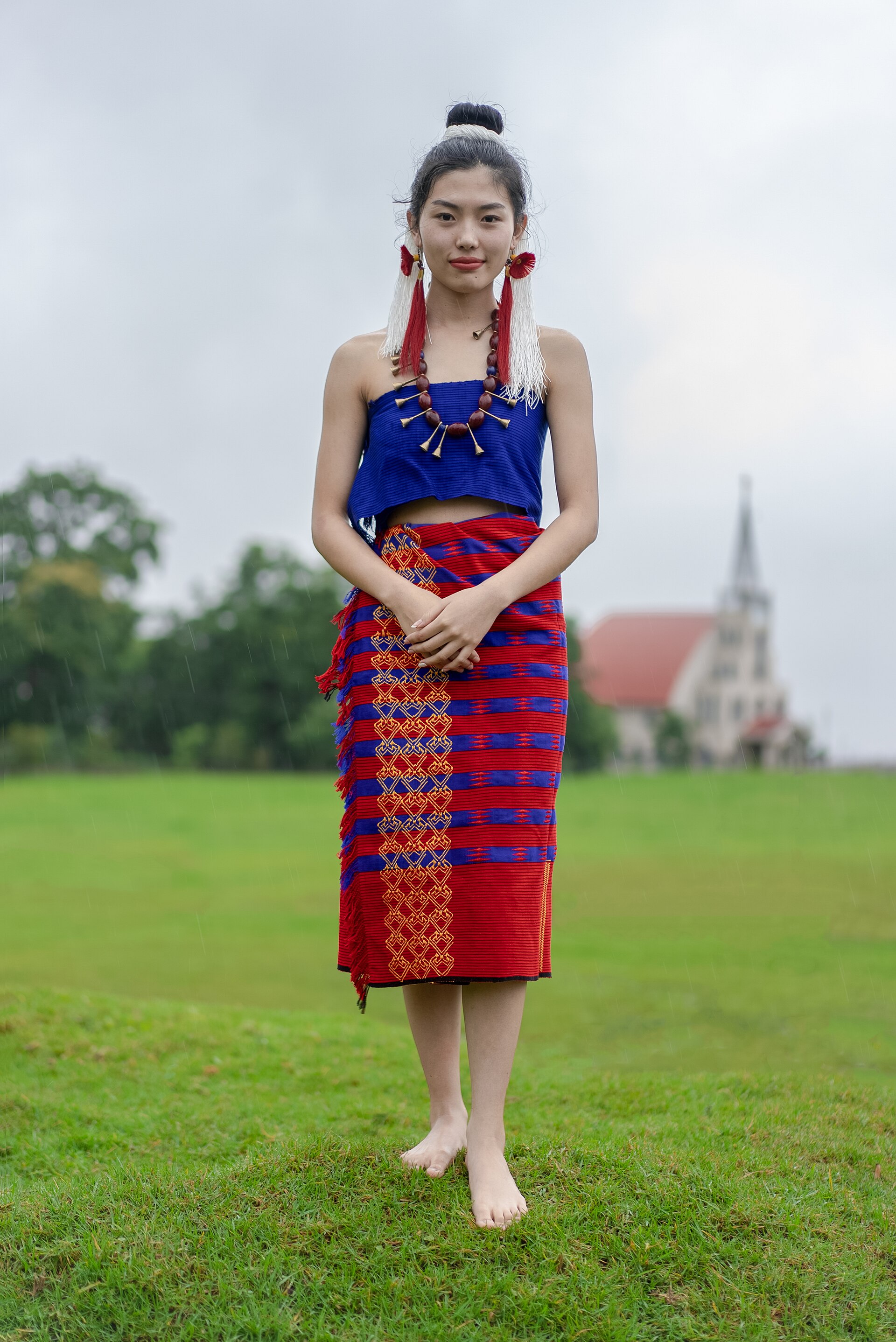
Mokokchung's principal tribe — known for the Moatsü festival, refined weaving and a long literary tradition.
Explore Culture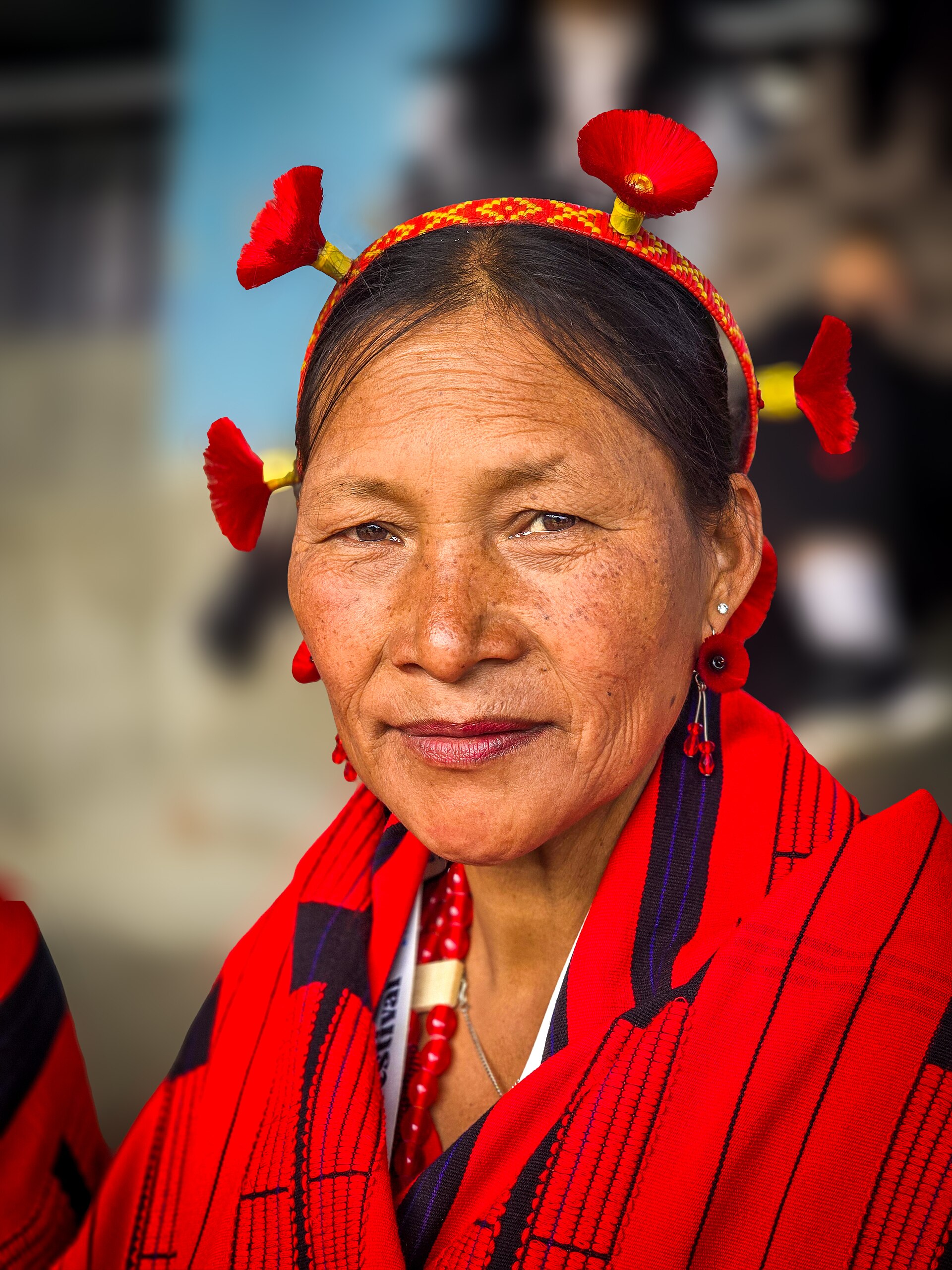
Known for the Tuluni festival, vigorous war dances and a strong warrior code in the central Naga hills.
Explore Culture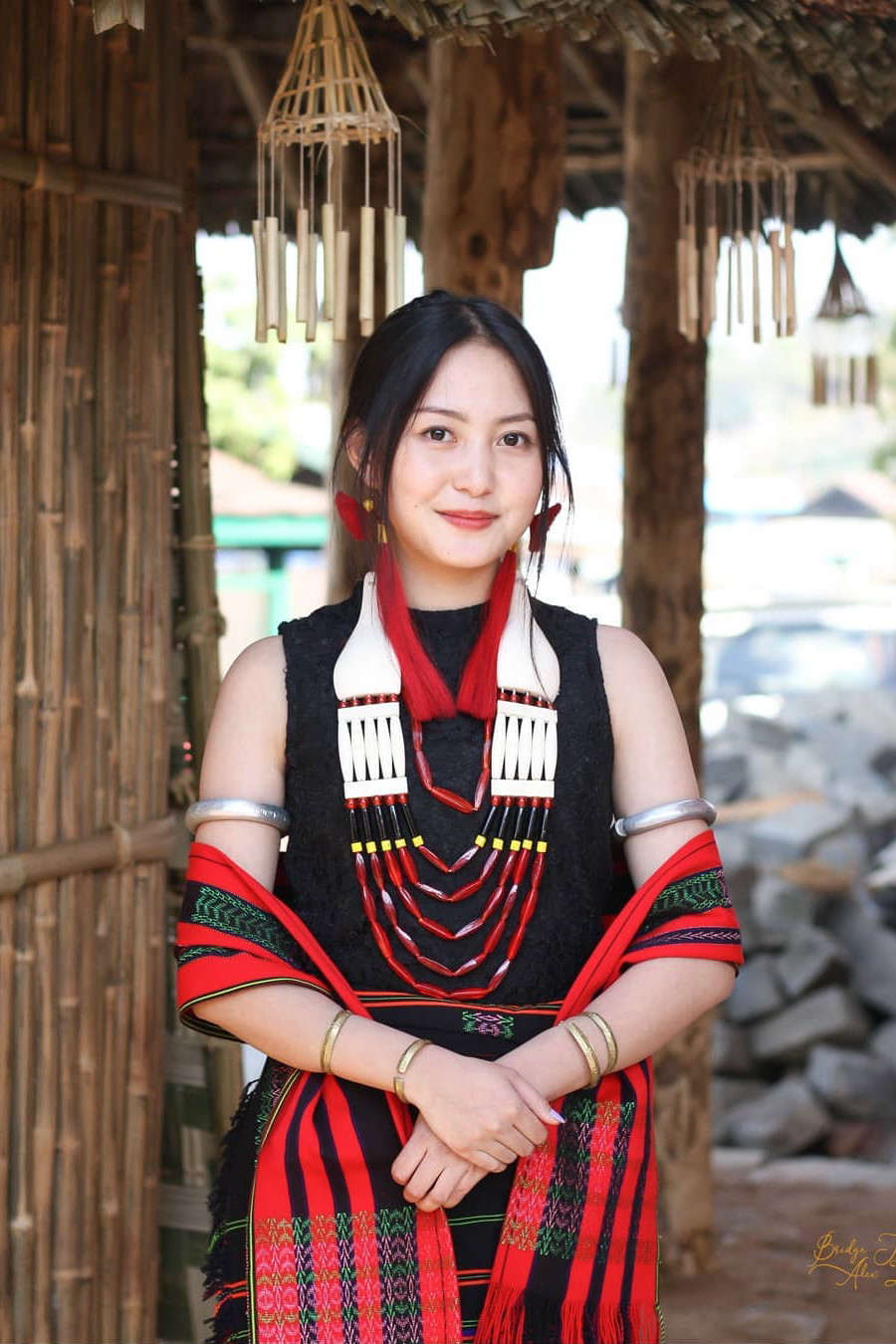
Wokha district's principal tribe — famed for the Tokhü Emong post-harvest festival and intricate body ornaments.
Explore Culture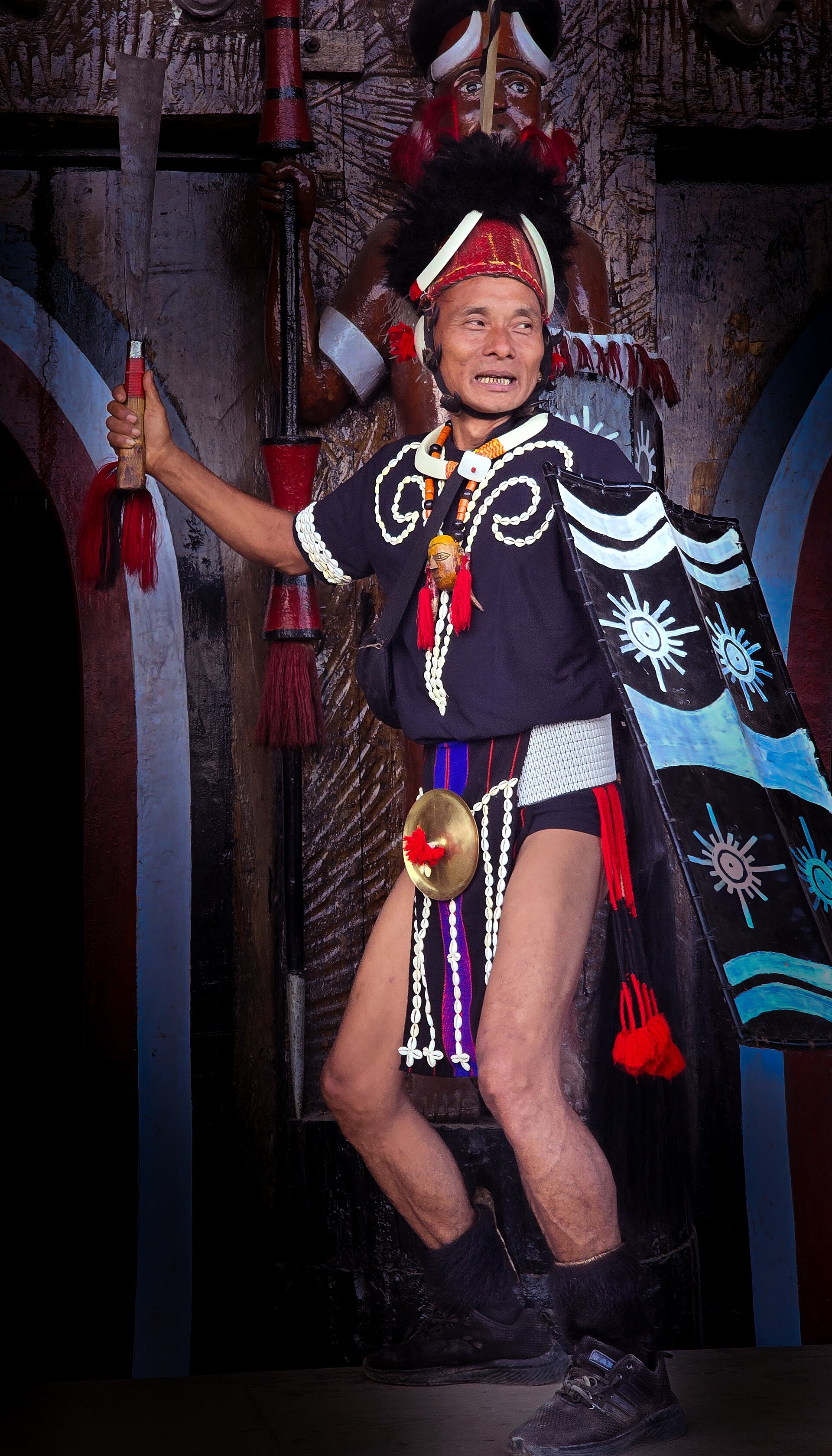
Longleng district's principal tribe — famous for log-drum traditions and the Monyü festival in April.
Explore Culture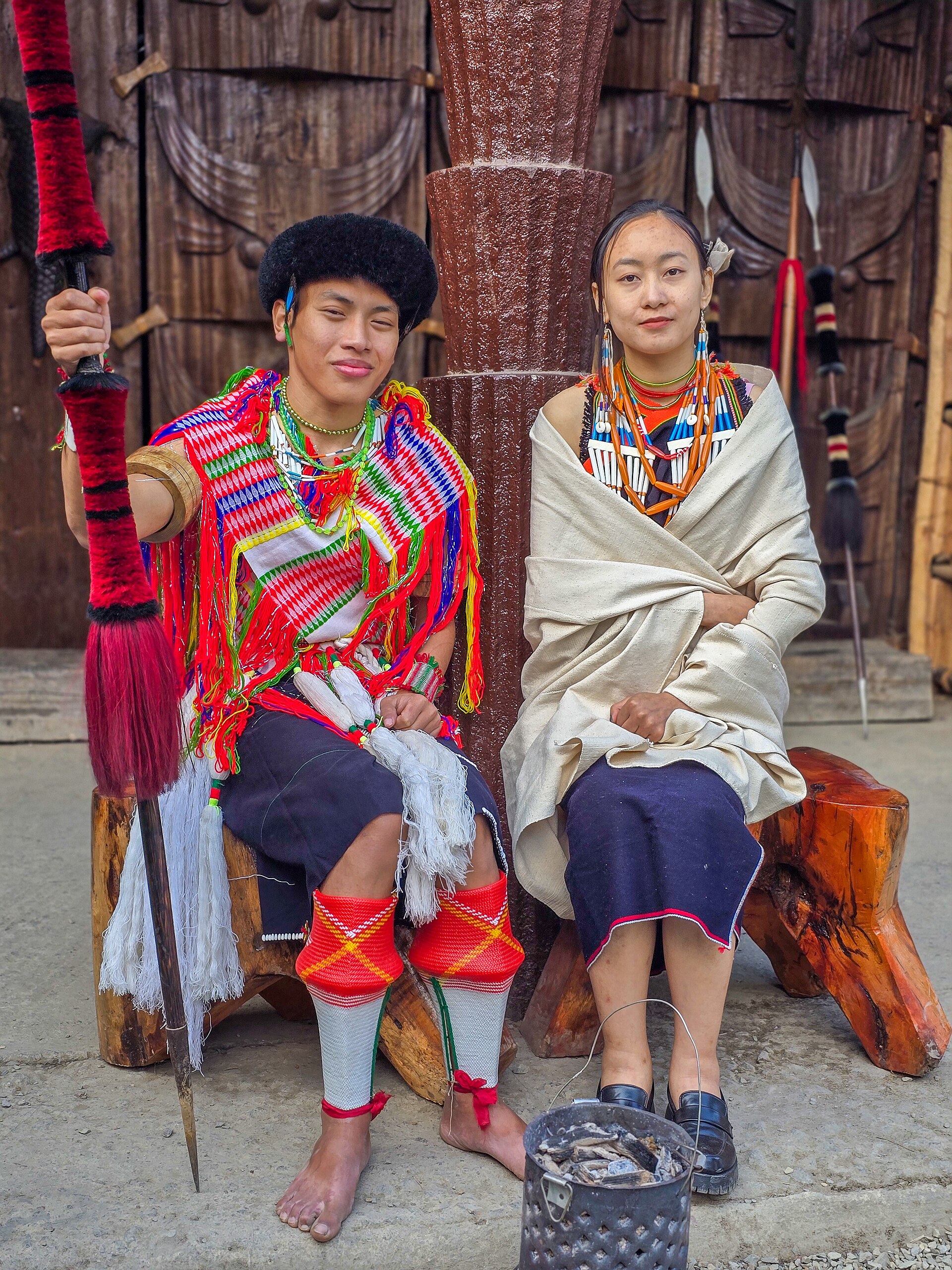
A confederation of three communities — Chokri, Khezha and Sangtam — based in Phek district with rich weaving and terrace agriculture.
Explore Culture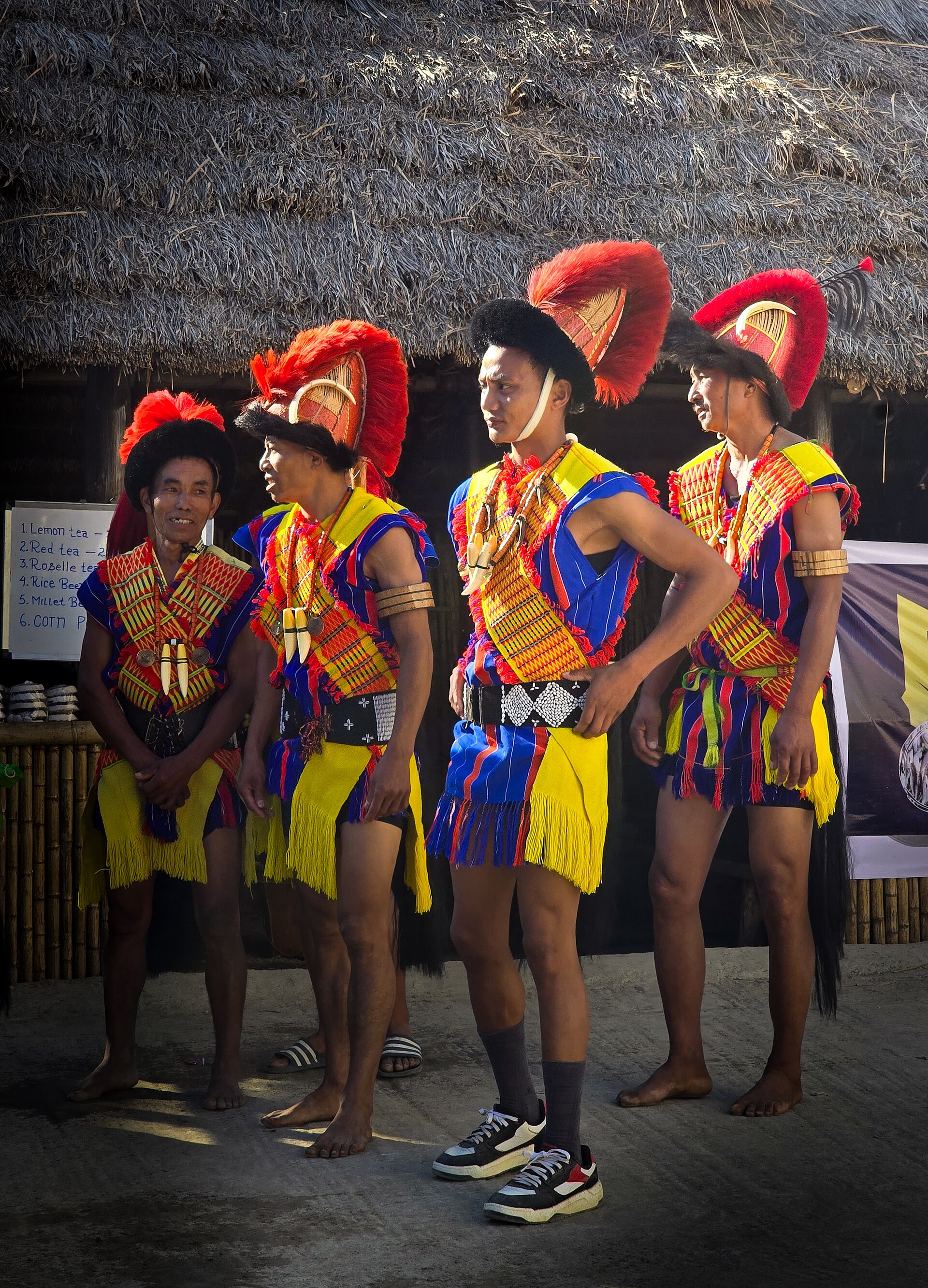
A small but distinct community in eastern Phek district, with the Yemshe festival and rich folk music traditions.
Explore Culture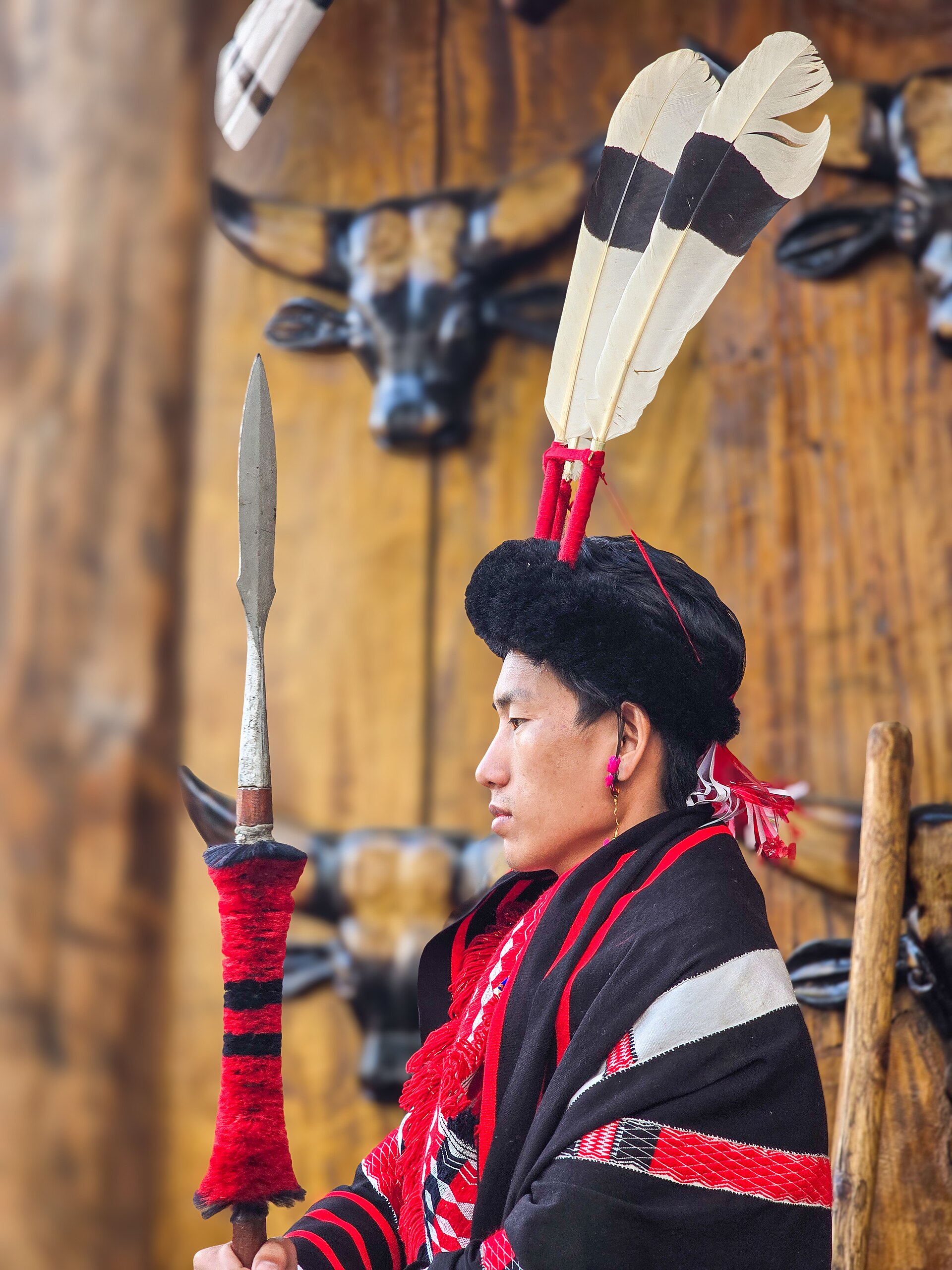
A smaller Naga community spread across Kohima and Tseminyu districts — known for the Ngada post-harvest festival.
Explore Culture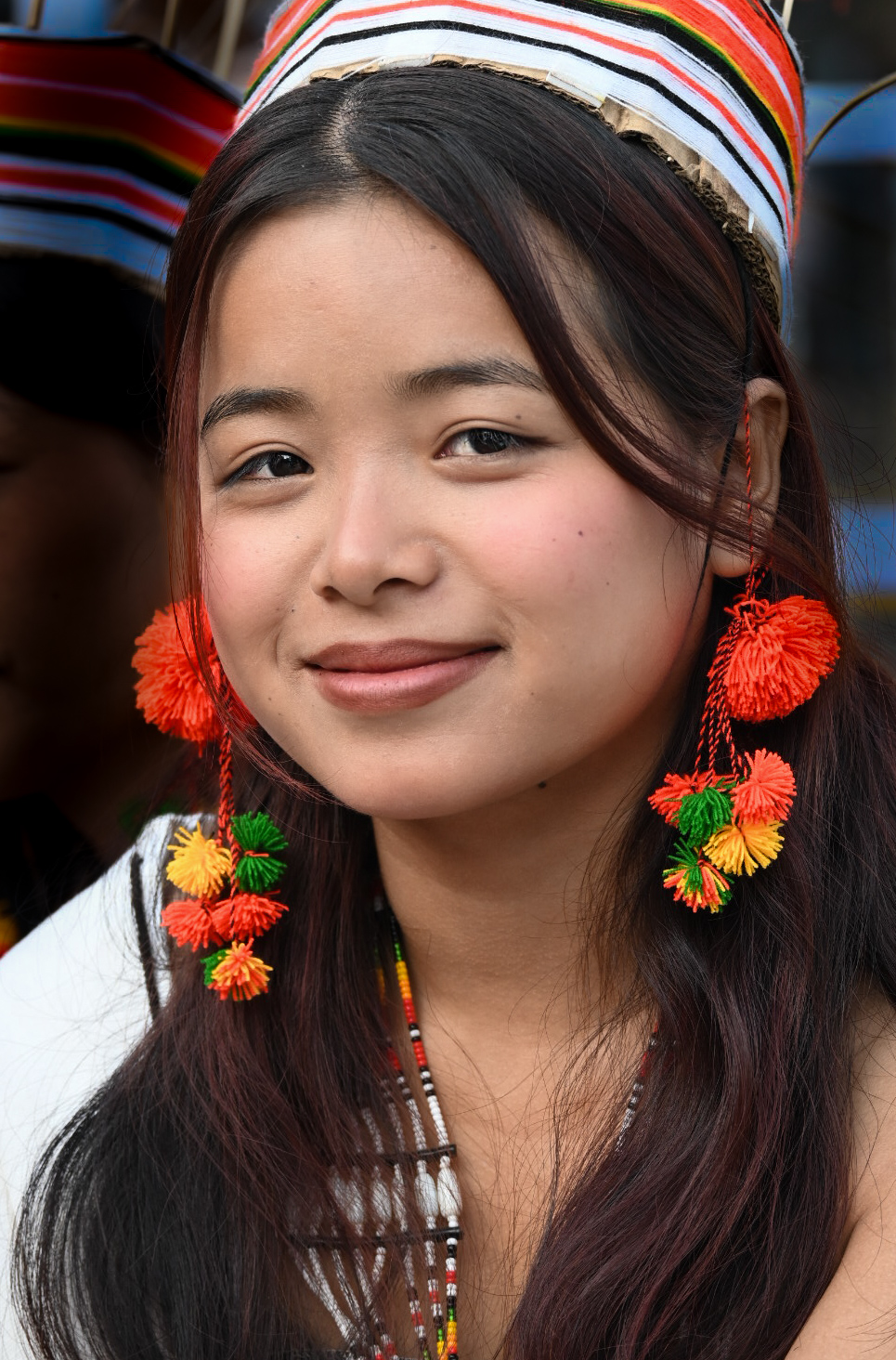
A confederation of Zeme and Liangmai communities in Peren district — famous for the Mileinyi festival.
Explore Culture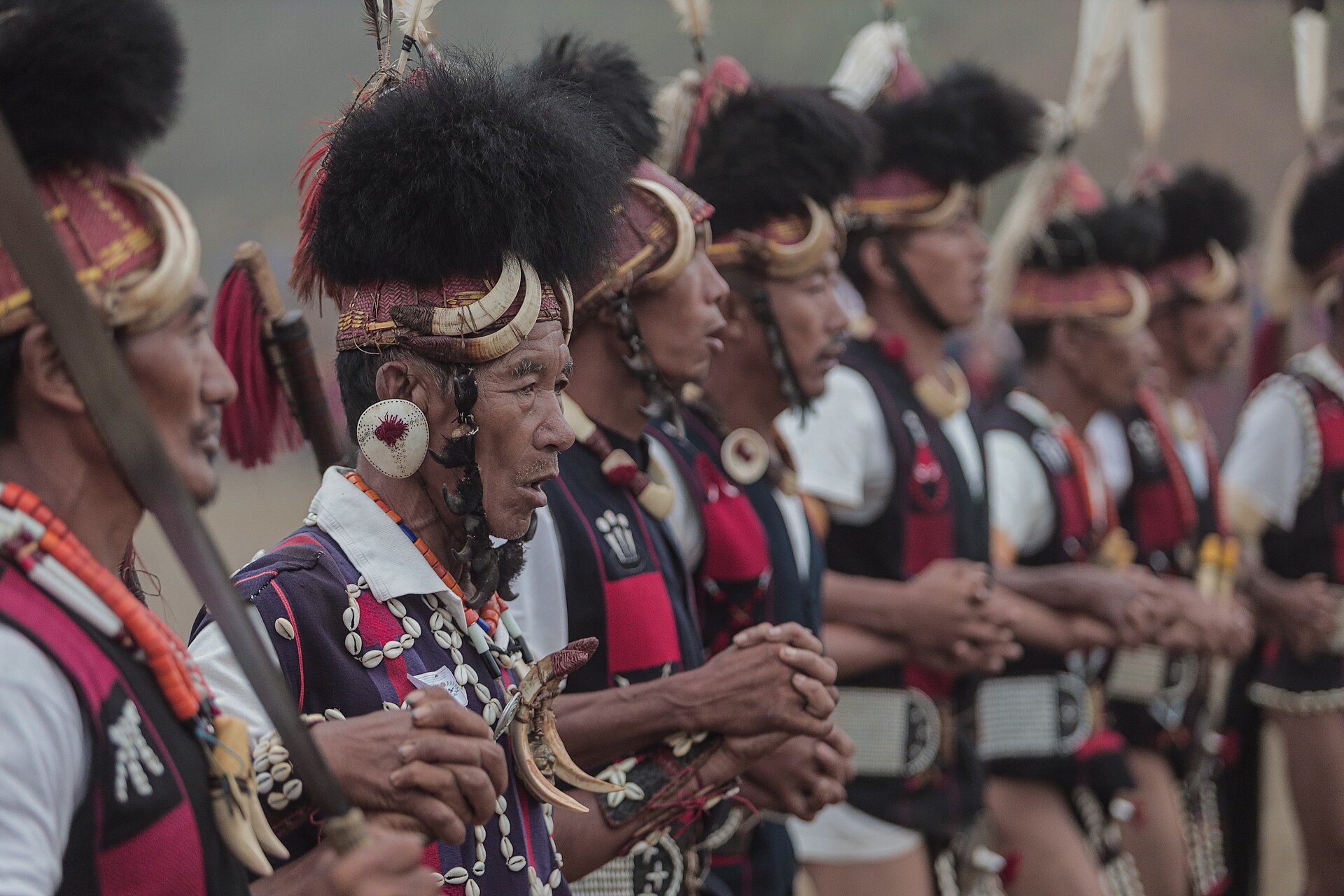
A community spread across Kiphire and Tuensang districts — known for the Mongmong festival in September.
Explore Culture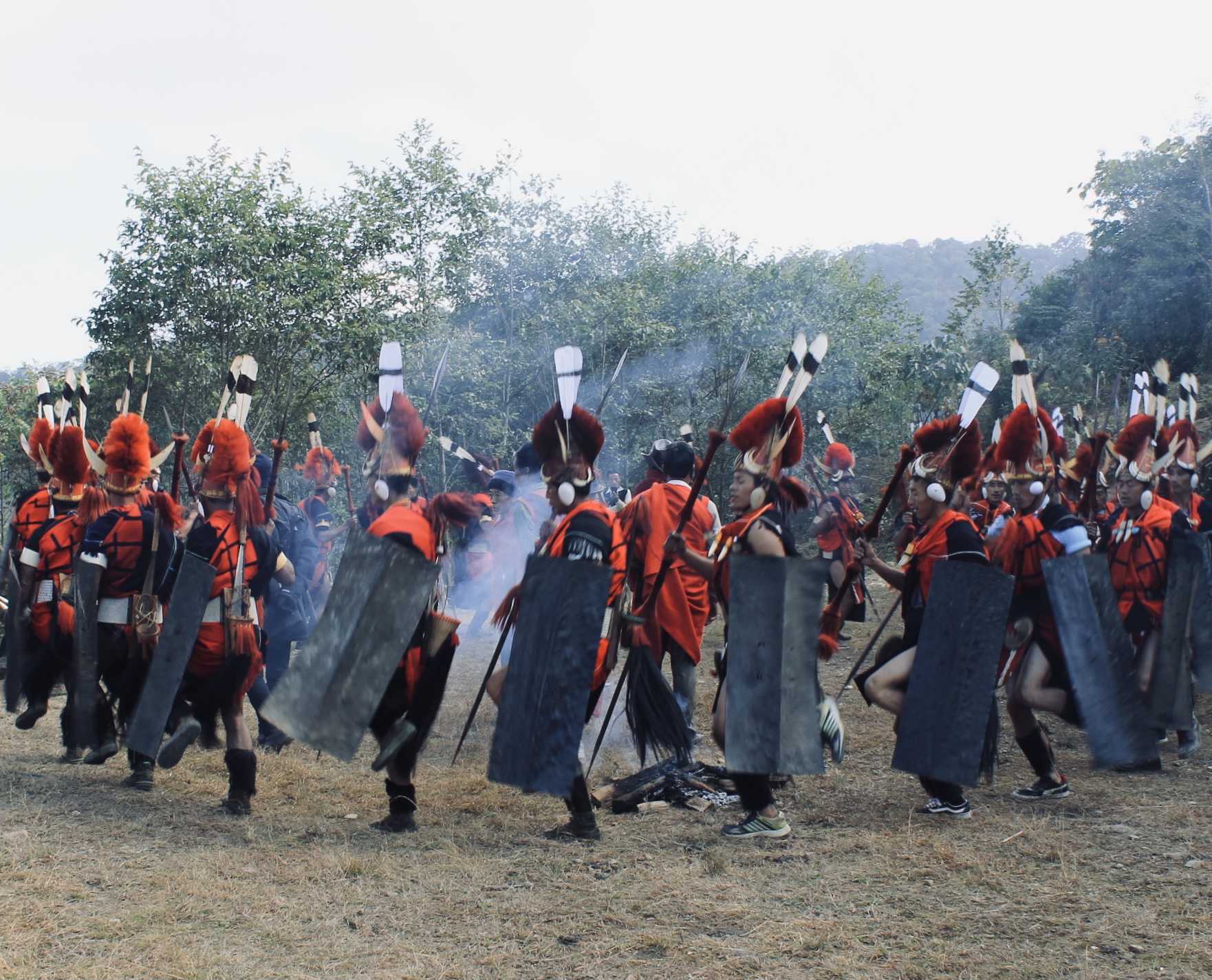
An eastern Naga community in Shamator and Kiphire districts, with cultural ties across the Myanmar border.
Explore Culture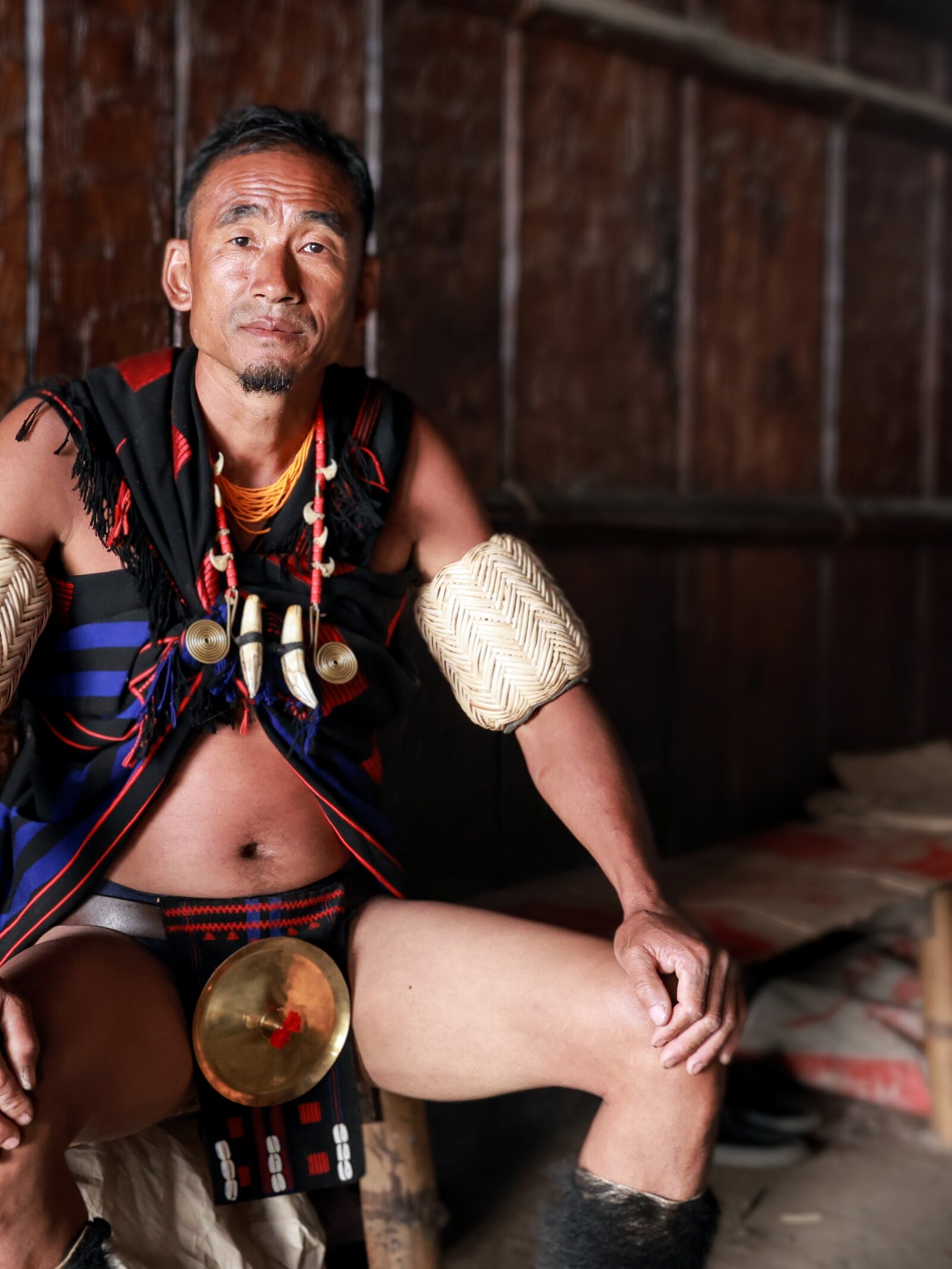
A Noklak district community whose villages extend across the Myanmar border — known for the Miu festival.
Explore Culture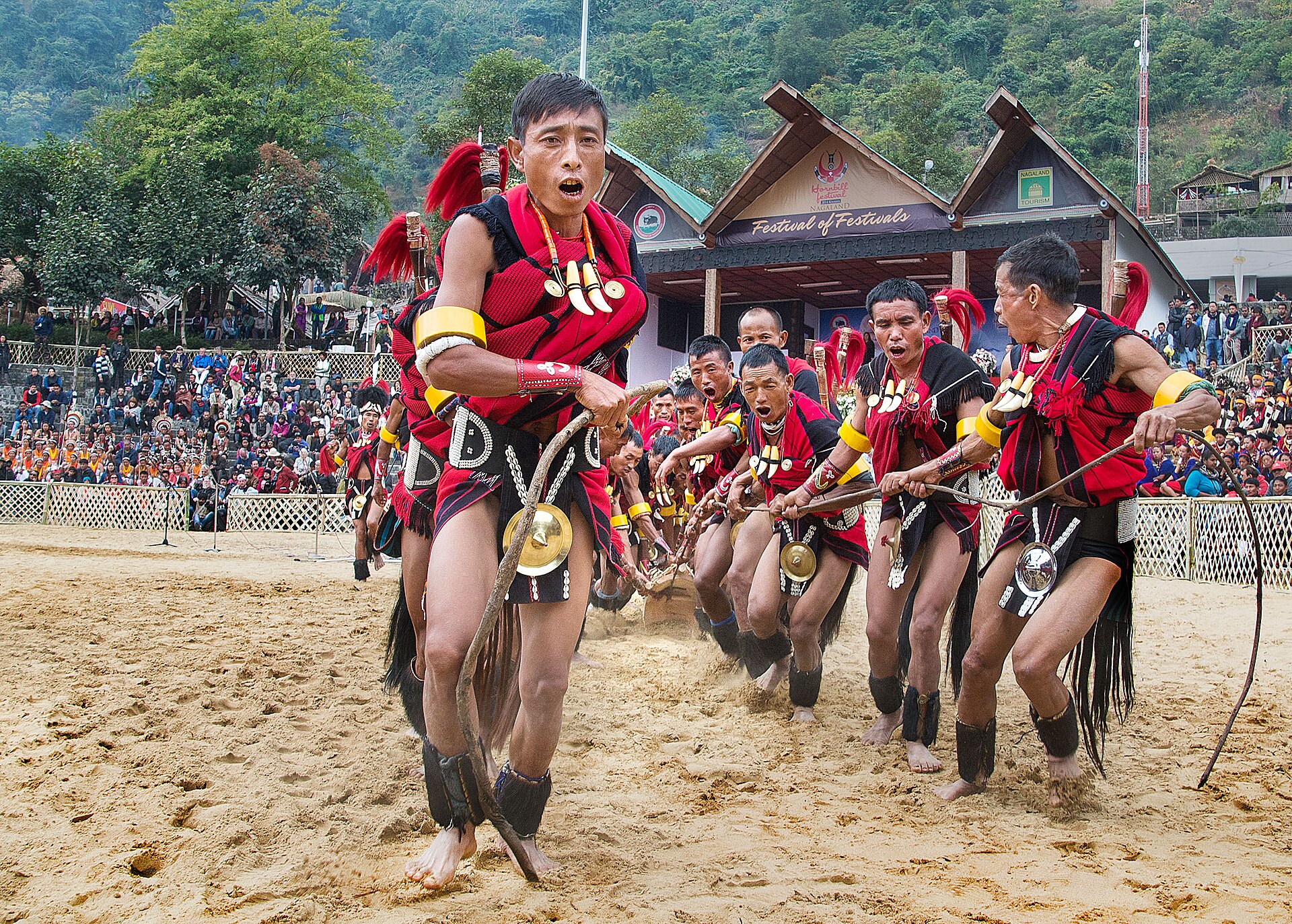
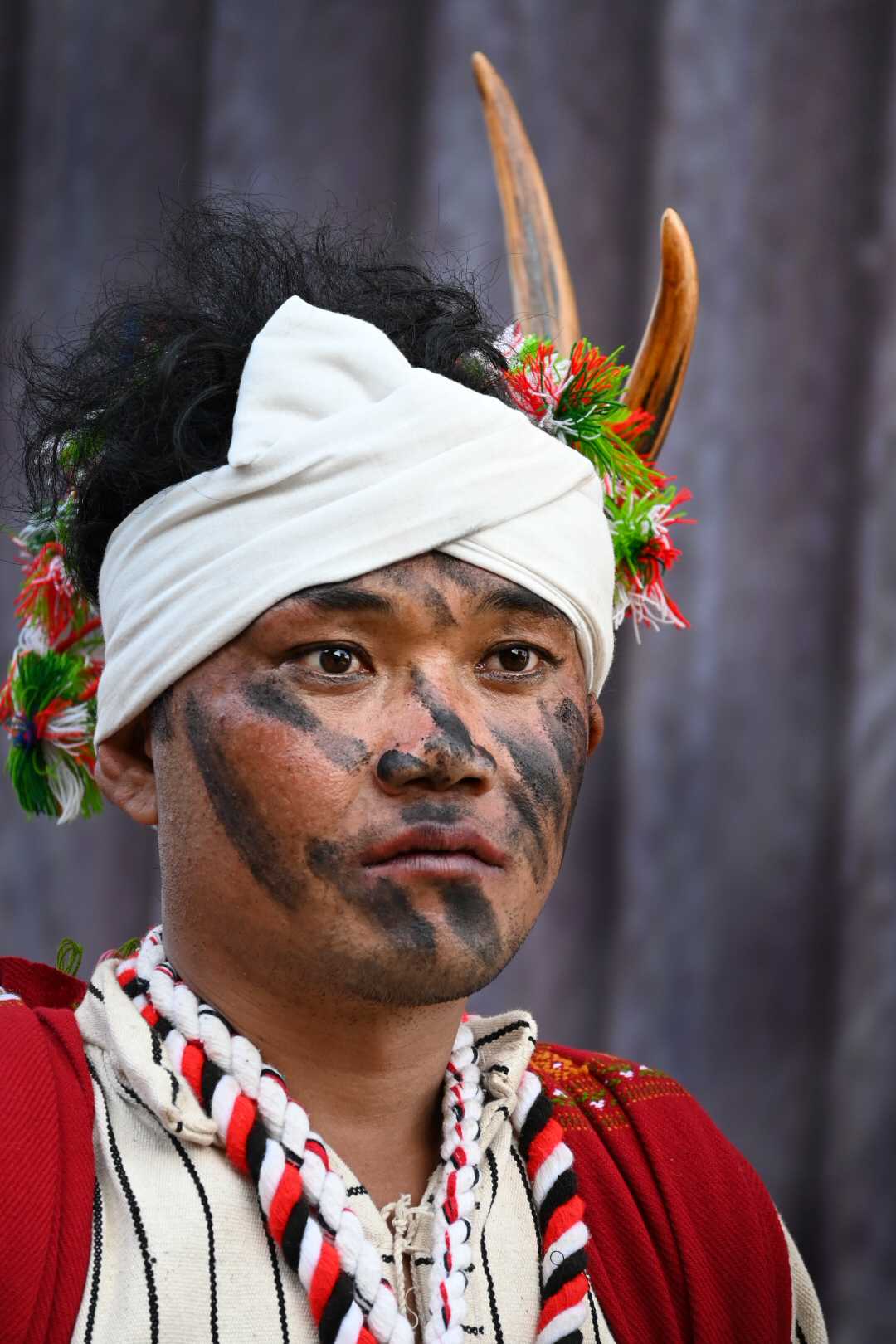
A community with a long history in Nagaland's southern districts and across Manipur, Mizoram and Myanmar.
Explore Culture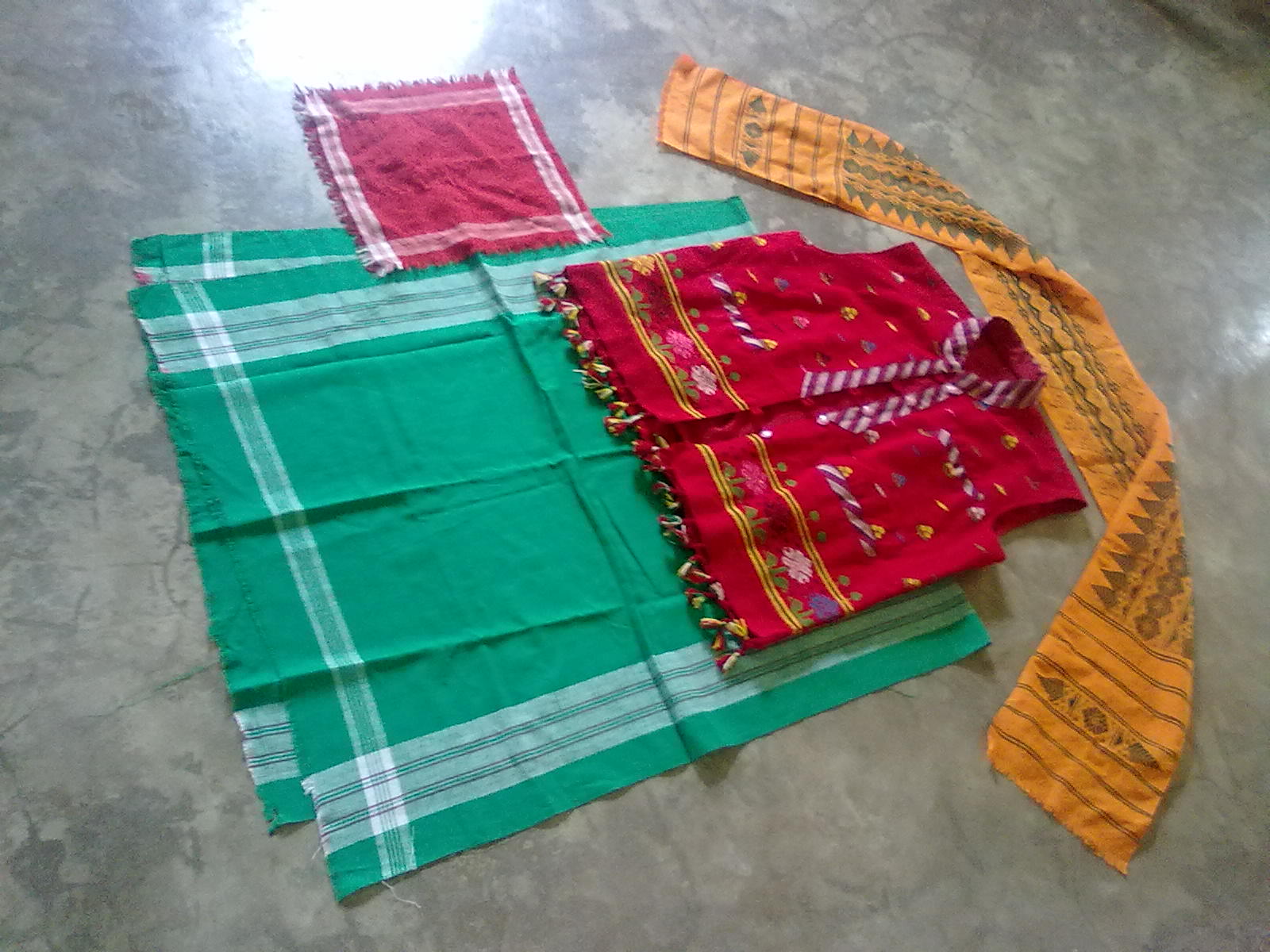
Descendants of the ancient Kachari kingdom — guardians of the medieval ruins at Dimapur.
Explore CultureEach tribe page opens in a new tab · 16 communities · in-depth cultural guides
Travel Guide
The Hornbill Festival takes place from 1st to 10th December 2026 at Kisama Heritage Village, about 12 km from Kohima. It's the largest cultural festival in Nagaland, and one of the most important in Northeast India. See the Hornbill Festival 2026 dates and probable programme before you fix your travel days.
The easiest way to plan a Hornbill Festival tour is to give yourself at least four to five days. Two to three days at Kisama for the festival itself, one day for Kohima — the WWII cemetery, the local market, the old churches — and a day for a nearby village like Khonoma or Touphema. Our complete Hornbill Festival travel guide walks through the planning in detail.
If you have more time, longer Nagaland cultural tours can take you up to Mon to meet the Konyak elders, or pair the festival with Kaziranga and Majuli in Assam. Compare the ready-made Hornbill Festival tour packages, or read how to reach Kisama Heritage Village if you are travelling independently. Every non-resident also needs an Inner Line Permit — our Nagaland Inner Line Permit guide explains the process.
For Hornbill Festival accommodation, Kohima fills up quickly in December. Booking early matters more than booking expensive. We work with a range of properties from deluxe hotels in Kohima to comfortable standard stays closer to Kisama — see where to stay during the Hornbill Festival.
Beyond the Festival
While Hornbill Festival is the main attraction, the region around Kohima offers beautiful villages, cultural experiences, historical landmarks and scenic landscapes that are worth exploring before or after the festival. These places offer a deeper understanding of Nagaland's culture, history and natural beauty.

An Angami village 20 km west of Kohima, widely recognised for community-led forest conservation, terraced fields and Angami cultural heritage.
Learn More →Photo: Joli Rumi · CC BY-SA 4.0 · Wikimedia Commons

A high-altitude valley of seasonal wildflowers and rolling green hills on the Nagaland–Manipur border — a moderate trek from Viswema.
Learn More →Photo: Samrat Pakrashi · CC BY-SA 4.0 · Wikimedia Commons

A traditional Angami village 15 km south of Kohima, neighbour to Kisama — many festival visitors stay here in homestays during Hornbill.
Learn More →Photo: Shyamal L. · CC BY-SA 4.0 · Wikimedia Commons

A quiet Angami hamlet in the clouds beyond Khonoma — clear streams, community-run homestays and some of Nagaland's best birding.
Learn More →Photo: Dr. Raju Kasambe · CC BY-SA 3.0 · Wikimedia Commons (Nagaland forest landscape)

A Zeliang village in Peren district at the foot of Mount Pauna — pine forests, traditional huts and panoramic Naga hill views.
Learn More →Photo: Dr. Raju Kasambe · CC BY-SA 3.0 · Wikimedia Commons (Nagaland hill landscape)

A reconstructed Angami heritage village 41 km from Kohima — traditional thatched cottages, community kitchens and cultural evenings.
Learn More →Photo: Vikramjit Kakati · CC BY-SA 4.0 · Wikimedia Commons (traditional Angami Naga hut)

A serene Commonwealth memorial to the 1944 Battle of Kohima, with terraced lawns of headstones above the heart of the city.
Learn More →Photo: Ly.n0m · CC BY-SA 4.0 · Wikimedia Commons

On Bayavü Hill in Kohima — ceremonial dress, ancestral weapons, jewellery and crafts of all major Naga tribes, in one quiet morning.
Learn More →Photo: Ppyoonus · CC BY-SA 3.0 · Wikimedia Commons
Suggested Festival Journeys
Short trips focused on the festival, or longer journeys that pair Kisama with the wider Naga hills and Assam.
4 Nights / 5 Days
Dimapur · Kohima · Kisama · Khonoma
A focused festival trip with two full days at Kisama, a walk through Kohima and a quiet afternoon in Khonoma village.
5 Nights / 6 Days
Dimapur · Kohima · Kisama · Touphema · Khonoma
Festival mornings at Kisama paired with evenings in traditional Naga villages and a night at a heritage homestay.
7 Nights / 8 Days
Dibrugarh · Mon · Mokokchung · Kohima · Kisama
Meet the tattooed Konyak elders in Mon, travel through Mokokchung, and end with festival days at Kisama.
7 Nights / 8 Days
Guwahati · Kaziranga · Majuli · Kohima · Kisama
Wildlife in Kaziranga, a slow day on Majuli island, and a cultural finish at the Hornbill Festival in Kisama.
Tour Packages
Eight ready-to-book itineraries from 3 to 10 days, with stays, private vehicle, airport transfers and the Inner Line Permit included — and per-person prices published for every group size.
3 Days / 2 Nights
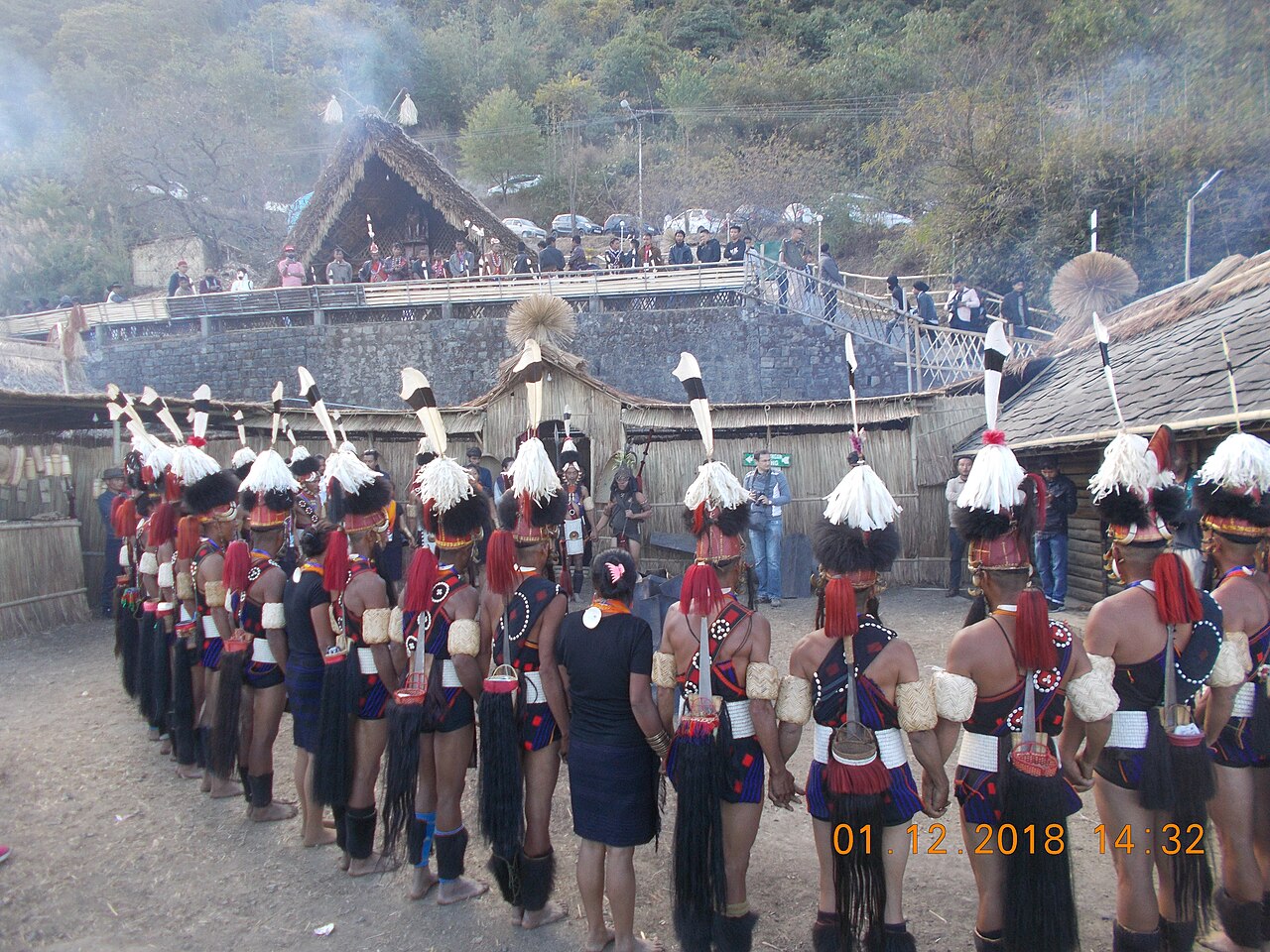
The shortest practical way to experience the Hornbill Festival. Fly into Dimapur, settle in Kohima the same evening, spend a full unhurried day inside Kisama Heritage Village, and fly out the next morning. Ideal for travellers on a long weekend who want the festival itself without the wider Nagaland circuit.
View Package4 Days / 3 Nights
The festival plus Nagaland's most rewarding village. One full day at Kisama, one day in Khonoma — widely described as India's first green village, an Angami settlement known for its long-established terraced fields — and a Kohima base throughout. Our most popular short itinerary.
View Package5 Days / 4 Nights
The best-balanced Hornbill Festival itinerary. Two days inside Kisama so you catch both the morning arena programme and the quieter afternoon morung sessions, a day in Khonoma, and an optional Dzükou Valley trek day for travellers who want the valley of flowers.
View Package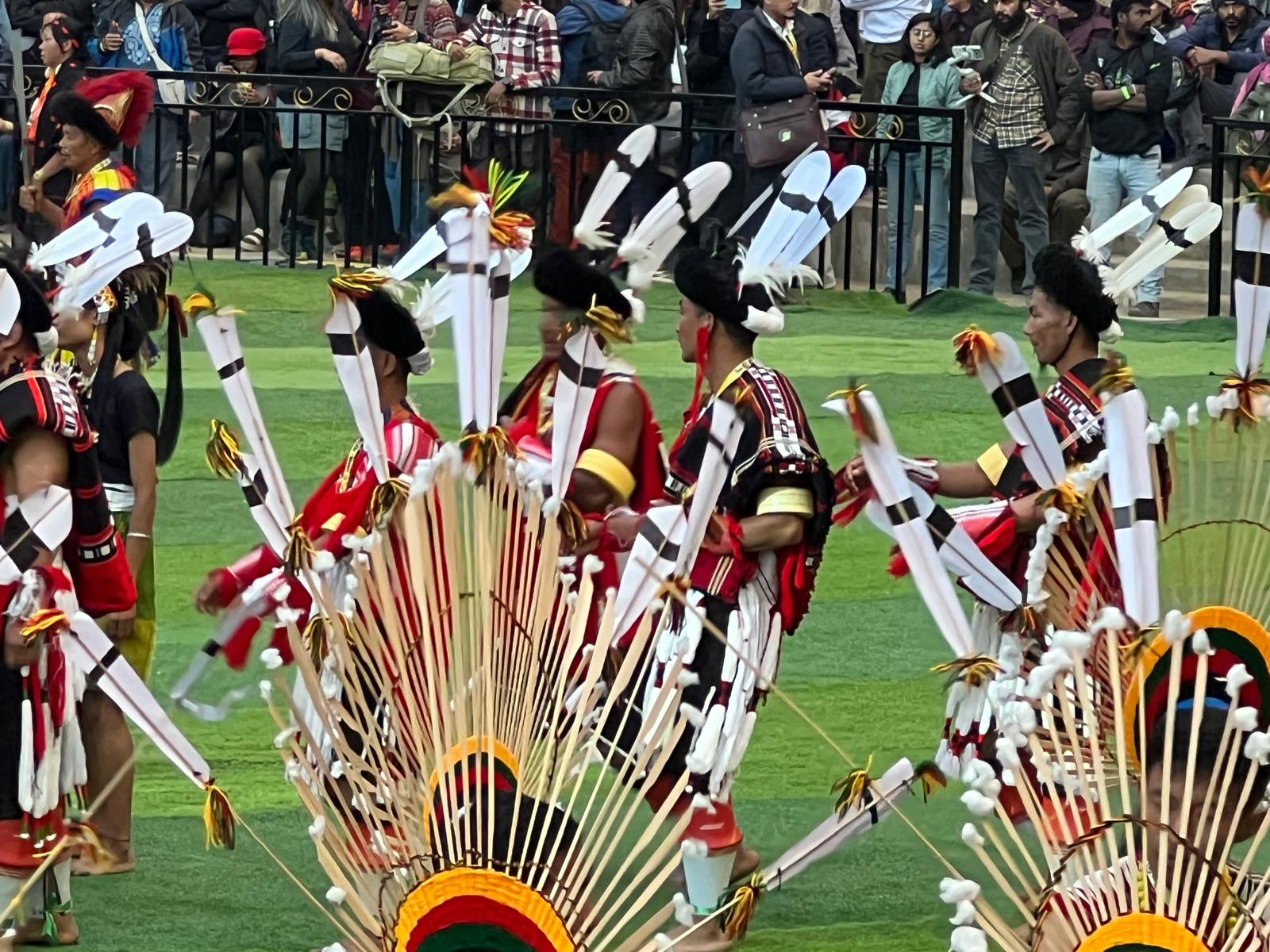
6 Days / 5 Nights
Rhinos and tribes in one trip. Fly into Guwahati, drive to Kaziranga for a jeep safari through the one-horned rhino grasslands, then cross into Nagaland for the Hornbill Festival at Kisama and fly out of Dimapur.
View Package
7 Days / 6 Nights
A full Northeast circuit: the Brahmaputra and Kamakhya temple in Guwahati, rhinos in Kaziranga, then three nights in Kohima for the Hornbill Festival and Khonoma. Best for first-time visitors who want Assam and Nagaland together.
View Package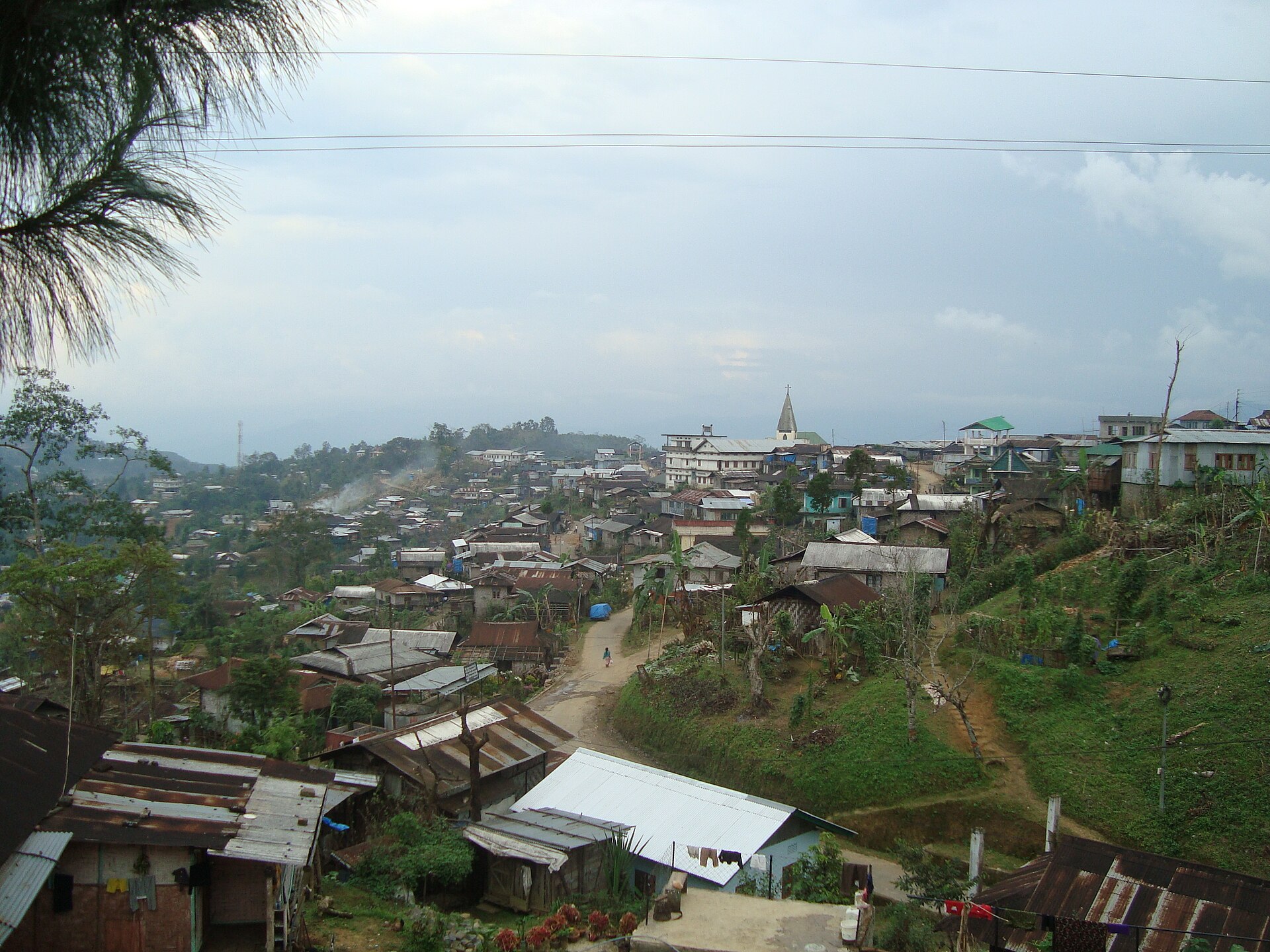
8 Days / 7 Nights
Beyond the festival. Two festival days at Kisama, Khonoma and Dzükou in the Angami highlands, then north to Mokokchung for the Ao heartland — Ungma, Longkhum and the morungs that gave Nagaland its oral history.
View Package
9 Days / 8 Nights
The Konyak journey. Festival days at Kisama, then deep into Mon district to Longwa — the village whose chief's house sits on the India–Myanmar border, home to the last generation of tattooed Konyak headhunters.
View Package10 Days / 9 Nights
Our most complete Nagaland journey. Three festival days at Kisama, the Angami highlands of Khonoma and Dzükou, the Ao villages of Mokokchung and the Konyak border country of Mon and Longwa — the full arc of Naga culture in one expedition.
View PackageTraveller Stories
Travellers from around the world visit the Hornbill Festival with Living Roots to spend time with the seventeen Naga tribes at Kisama. A quiet collection of their journeys, recorded honestly in photographs.
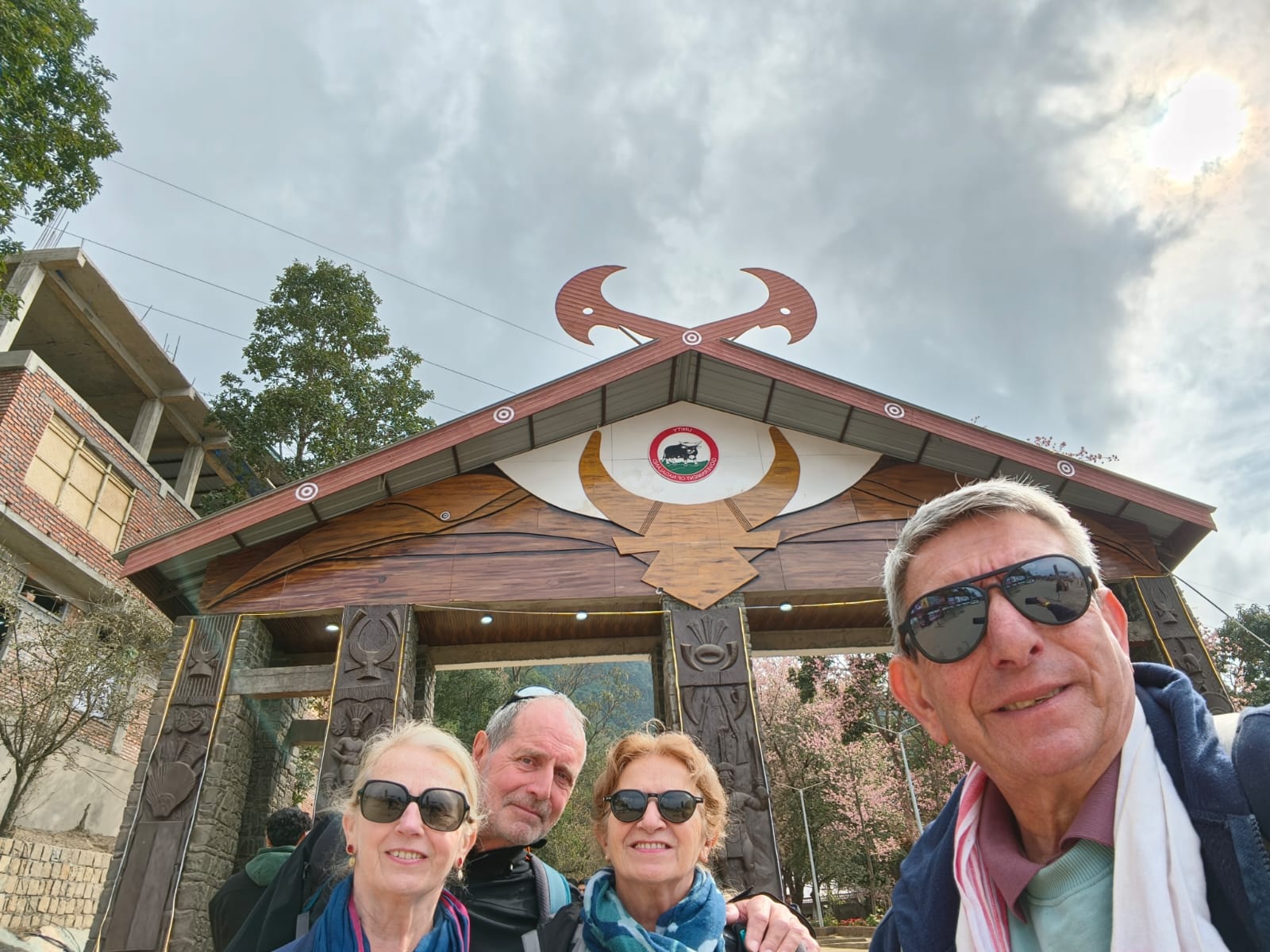
France · Hornbill Festival, Nagaland
Thierry travelled from France on a nineteen-day journey across Northeast India, of which four were spent in Nagaland for the Hornbill Festival at Kisama — the morungs, the arena dances, the smoke and songs of a Naga December. This is his journey, kept in photographs.
Read the Journey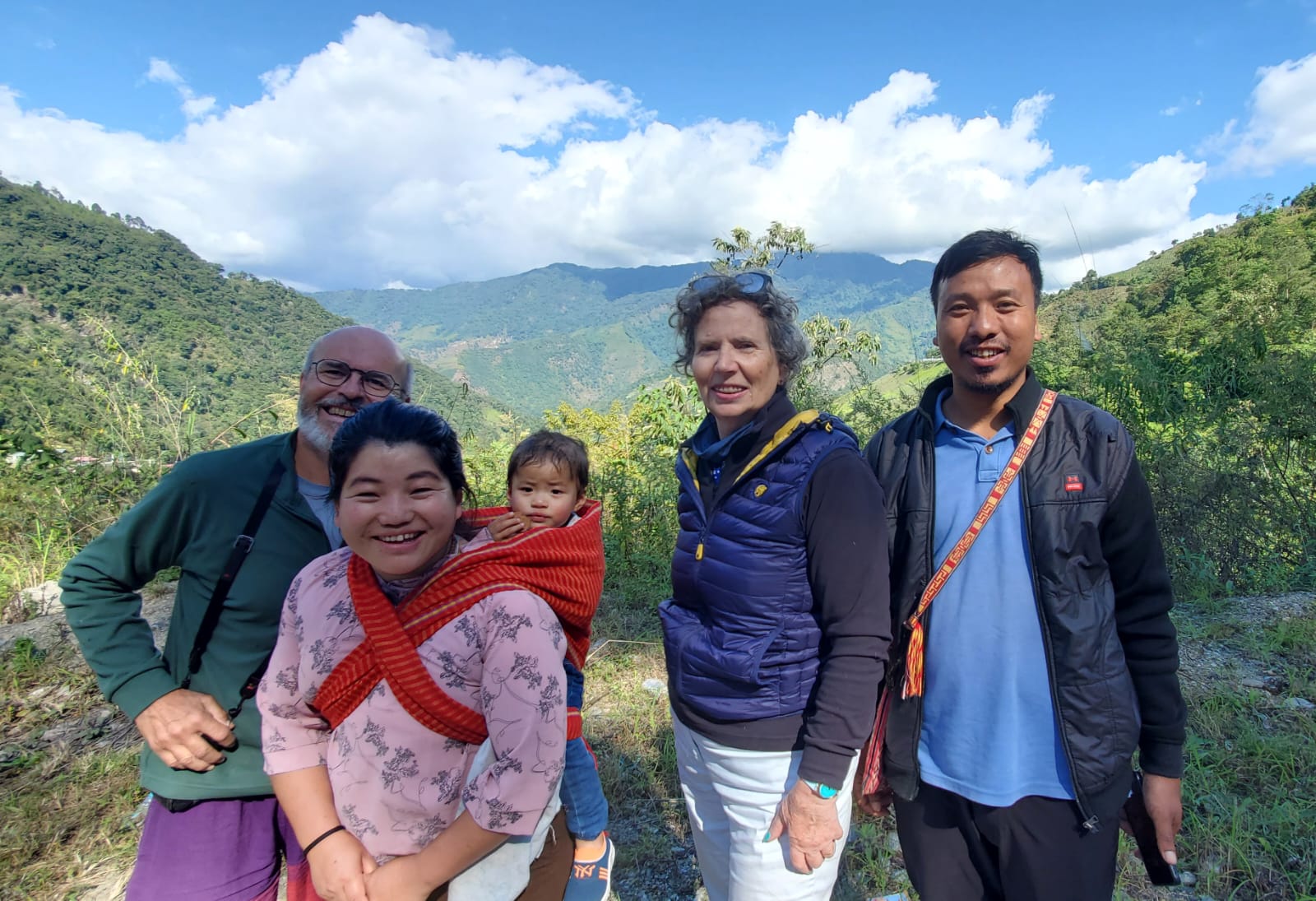
France · Hornbill Festival, Nagaland
Robert and Odile travelled from France on a nineteen-day journey across Northeast India — through the mountains of Arunachal Pradesh, the river country of Assam, and finally into Nagaland, where the Hornbill Festival at Kisama became the defining chapter of the trip. Guide Pradeep introduced them to the tribes; driver Basumutary carried them safely along the long, quiet roads.
Read the Journey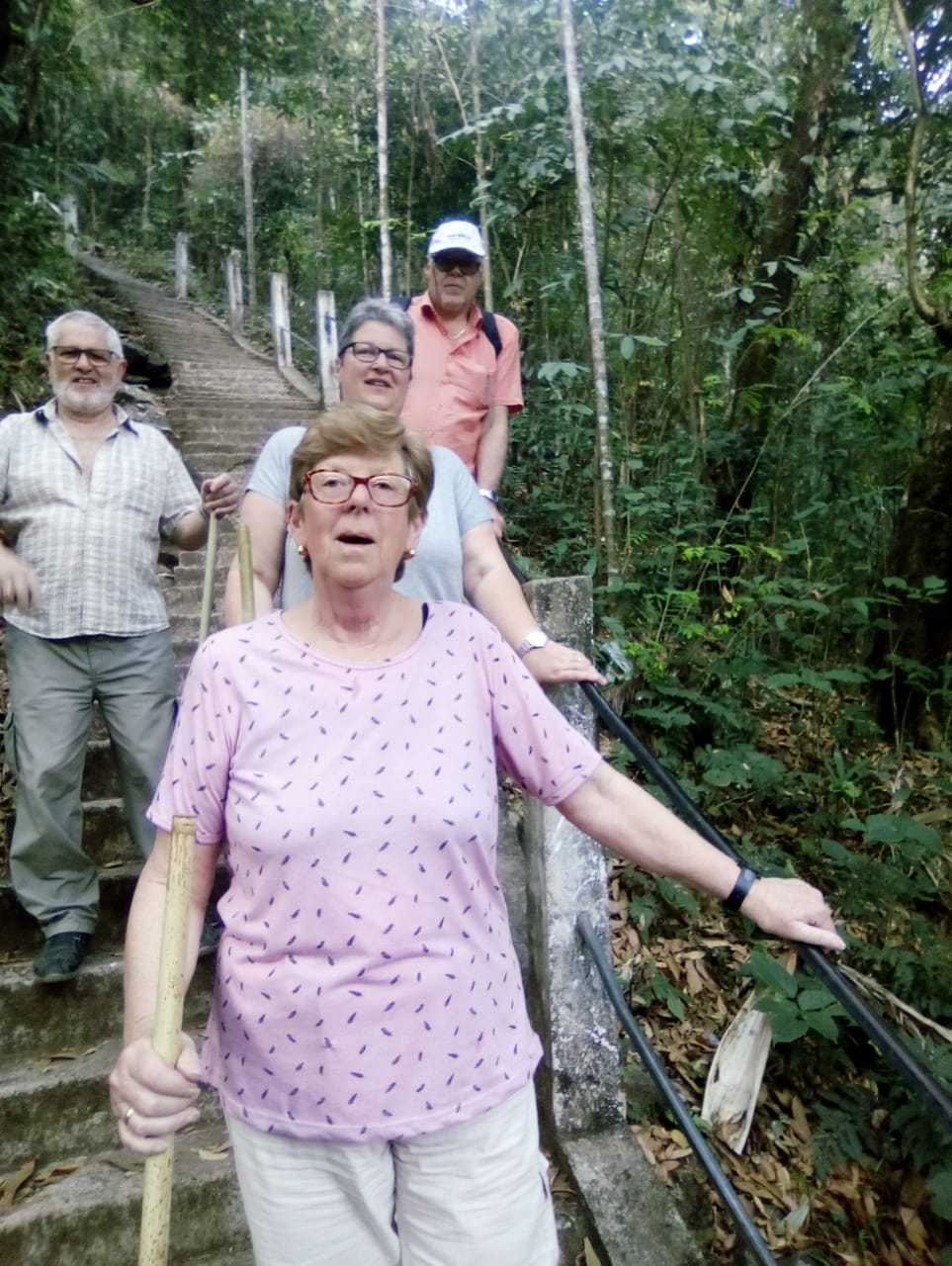
Germany · Hornbill Festival, Nagaland
Mr. Buchner and three close friends travelled from Germany on a thirteen-day journey through Northeast India — the waterfalls of Meghalaya, the double-decker living root bridge below Cherrapunjee, the quiet forests of Nameri, the tea gardens of Assam, a ferry across the Brahmaputra to Majuli, and finally the Hornbill Festival at Kisama. This is their journey, kept in their own photographs.
Read the Journey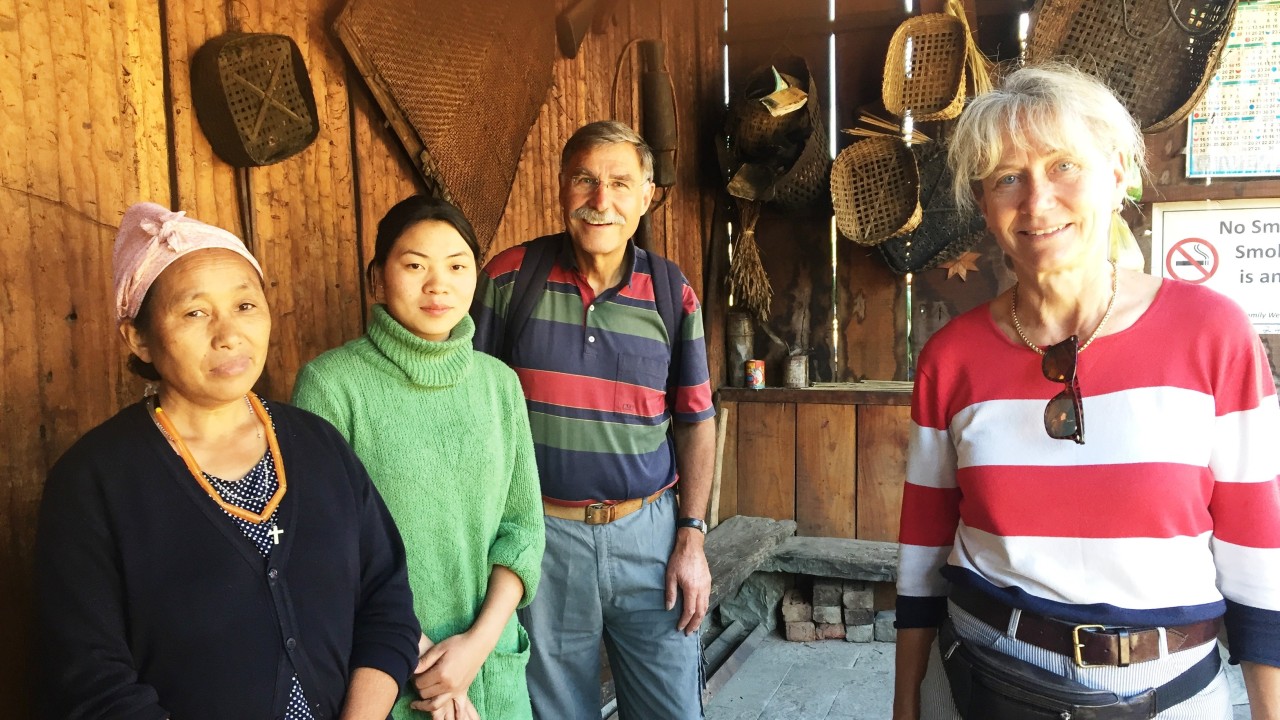
· Hornbill Festival, Nagaland
Mr. Gulder and his wife spent nine days in Nagaland — four at the Hornbill Festival, a stay at Touphema Tourist Village, an afternoon in the Angami warrior village of Khonoma, and a night at the Kohima carnival. This is their journey, kept in their own photographs.
Read the Journey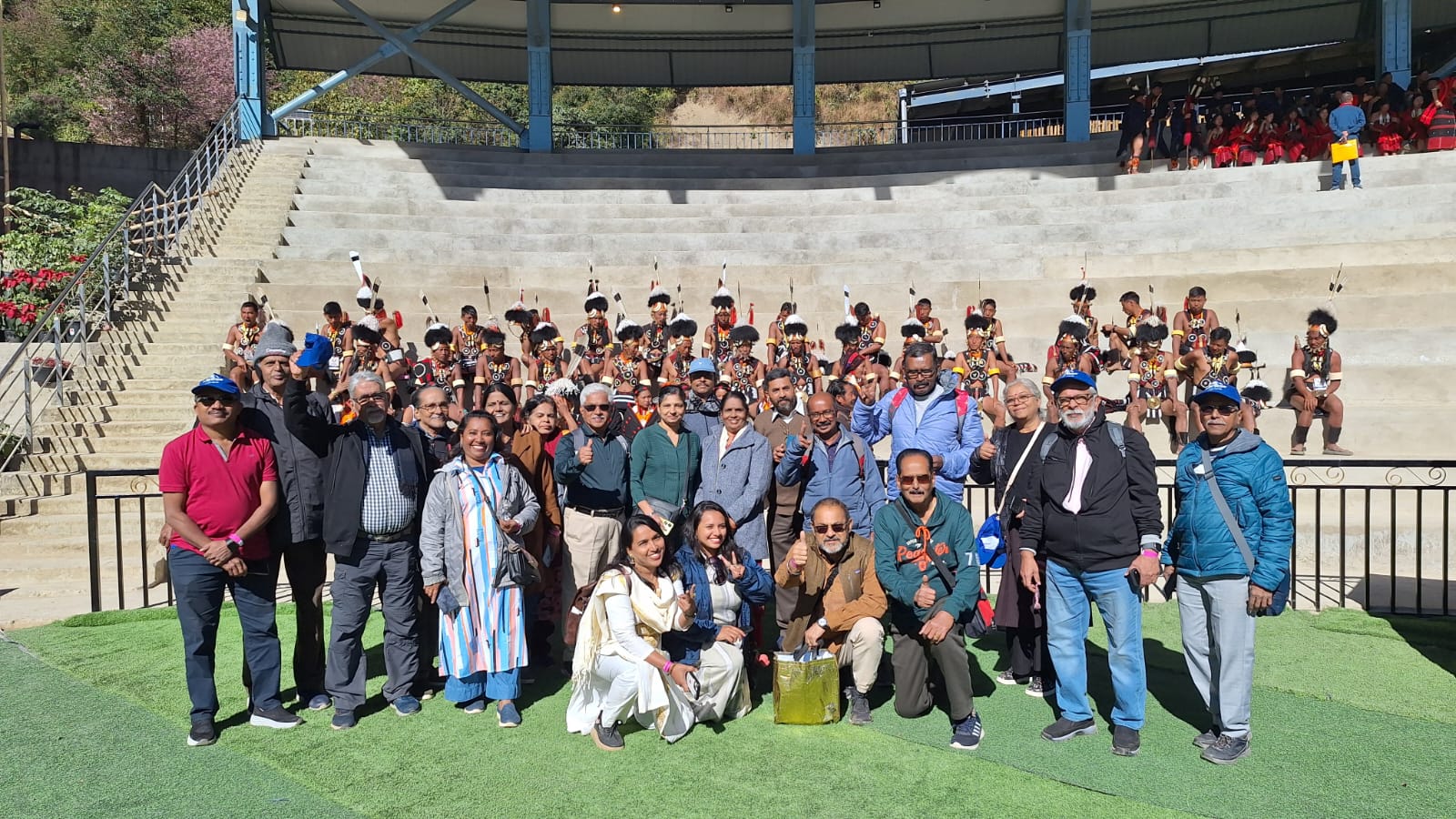
Kerala, India · Hornbill Festival, Nagaland
A group of travellers from Kerala, led by Mahim, spent seven days crossing Assam and Nagaland — a jeep safari and an Assamese cultural evening in Kaziranga, the Kachari stone ruins at Dimapur, a morung in Khonoma village, and a full day inside the Hornbill Festival at Kisama. Told entirely from the photographs the group sent back.
Read the Journey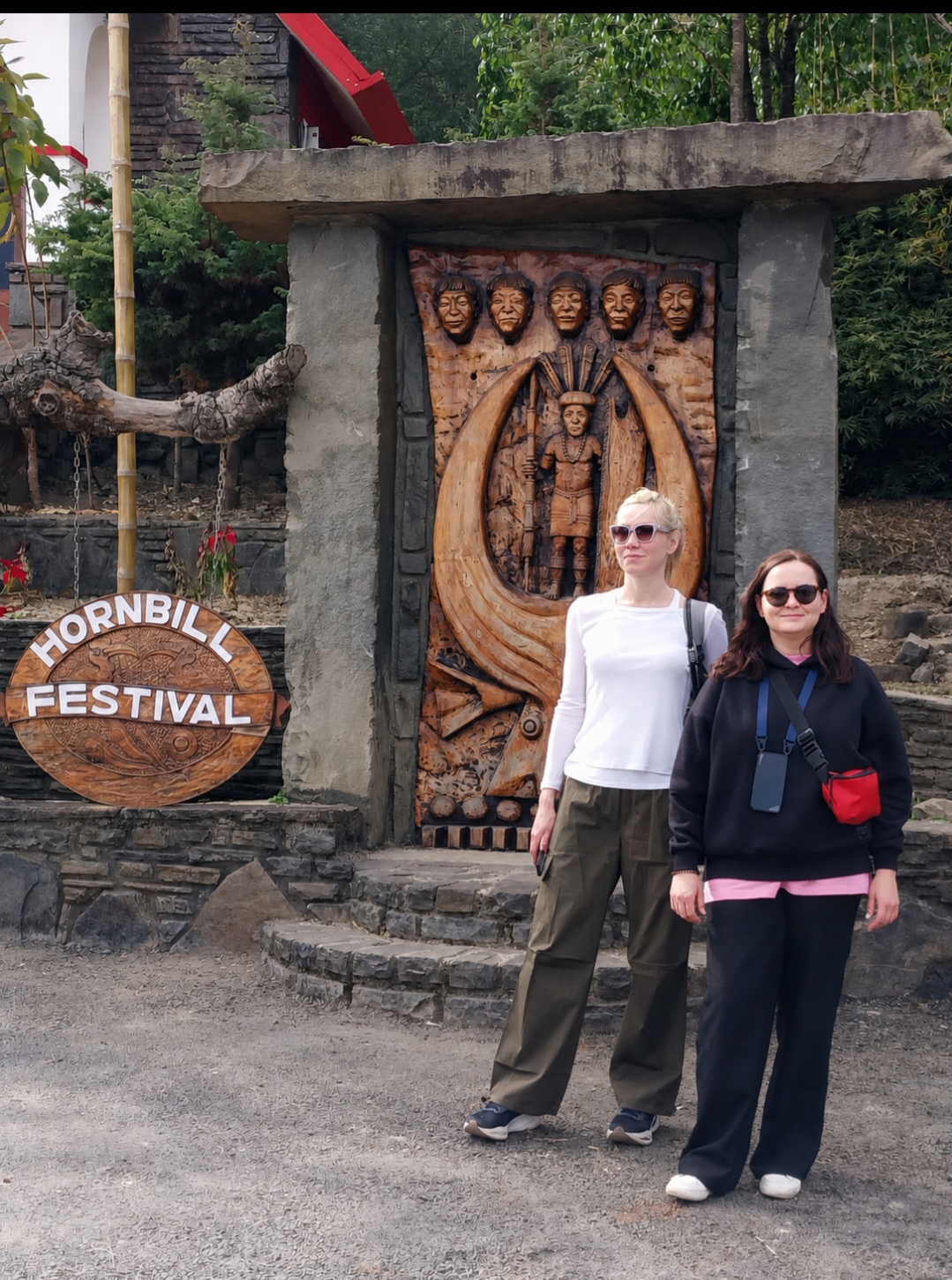
Russia · Hornbill Festival, Nagaland
Ten days across the hills of Nagaland — from Mon's headhunter longhouses through Mokokchung, Wokha and Touphema, ending at the roaring log drums of Kisama. The whole journey was arranged around a single fixed point on the calendar: the Hornbill Festival.
Read the JourneyWhere You'll Stay
Kohima offers a full spectrum of accommodation during Hornbill — from polished premium hotels to character-rich homestays in the surrounding Naga villages. Below is an honest guide to the properties we work with most often, organised by style and comfort level.
Rooms across every category sell out 3–6 months before December, so the earlier you confirm, the better the choice. We'll match you to a property based on your dates, budget and how close to Kisama you'd like to be.
Tier 01
Best for travellers who want full-service comfort after long festival days — heated rooms, hot showers, in-house dining and reliable Wi-Fi. Ideal for first-time visitors, couples and families who prefer a hotel experience.
Hotel Vivor
Contemporary boutique hotel in central Kohima with the city's most refined restaurant and a calm, design-led aesthetic.
de Oriental Grand
One of Kohima's best-known full-service hotels — spacious rooms, multi-cuisine dining and dependable service through the festival.
Niraamaya Retreats Aradura
Hillside resort on Aradura with quiet forested views, plush rooms and a slower, retreat-style pace away from the city centre.
La Colline Resort
Elegant resort-style stay on the outskirts of Kohima with valley views, landscaped grounds and generously sized suites.
Tier 02
The sweet spot for most festival visitors — clean, comfortable hotels in and around Kohima with the essentials done well. Suited to small groups, return travellers and anyone who plans to spend most of the day out at Kisama.
Tier 03
The most authentic way to experience Hornbill — staying with a Naga family in Kohima or in the villages closest to the festival ground.
Kohima City Homestays
Family-run heritage homes scattered across Kohima's older neighbourhoods. Expect home-cooked Naga meals, conversation with hosts who've grown up with the festival, and a level of warmth no hotel can replicate.
Kisama & Kigwema Homestays
Just a short walk or drive from the festival ground. Staying here means quieter mornings, easy access to evening events, and the chance to share meals and rice beer with Angami families who help host Hornbill each year. Rooms are simpler than city hotels but the experience is unmatched.
Khonoma & Touphema Villages
A little further out, but worth it for travellers who want to combine the festival with a deeper village stay — heritage Angami homes in Khonoma and traditional thatched cottages at Touphema's community-run tourist village.
We're not affiliated with any single property. We'll suggest the right fit honestly based on what's available, your group size and how close to Kisama you'd like to be.
Gallery

Frequently Asked
The Hornbill Festival is held every year from 1st to 10th December at Kisama Heritage Village, around 12 km from Kohima, Nagaland.
At the Naga Heritage Village in Kisama, a short drive south of Kohima. All 17 major Naga tribes set up their morungs (traditional huts) here for the ten days of the festival.
The nearest airport is Dimapur (DMU). From Dimapur it's about a 2.5 to 3 hour drive to Kohima, and another 30 minutes onward to Kisama. Guwahati is the other common entry point.
Go early in the morning when the dances begin, take a slow lunch break with Naga food, and return for the evening programmes. Two to three days at Kisama is usually enough to see it properly without rushing.
There are several stay options available in and around Kohima during the festival season, ranging from deluxe hotels to comfortable standard accommodations. We'll suggest the right fit based on your budget and travel style.
Indian travellers need an Inner Line Permit (ILP), and the official Nagaland permit portal states that a Protected Area Permit is mandatory for foreign tourists. Requirements are reviewed periodically, so confirm the current position before travel. We assist with the paperwork as part of the booking process.
Yes. Nagaland is one of the safer states in Northeast India, and Kohima is well-organised during festival season. People are warm, and the festival is a family-friendly event.
Travelling from India or abroad? Read our full Hornbill Festival Permits – ILP & PAP Guide for application links, fees and timelines.
Plan Your Trip
Send us a message on WhatsApp or give us a call. We'll get back to you personally and help you put together an itinerary that works for your dates.
Available 7 days a week