Natalia Dmitrieva had one line pinned at the top of her trip notes: "Be in Kohima for the first week of December." Everything else — the flight into Dibrugarh, the long climb up to Mon, the detour through Mokokchung and Wokha — was arranged around one fixed point: the Hornbill Festival 2026 at Kisama Heritage Village, just outside Kohima. This is how two travellers crossed a corner of India most Indians never see, and why the ten days at the end of the road were worth every hairpin bend.
Day 1 — Arriving in Dibrugarh
Assam's tea capital is where the journey begins for almost anyone heading into eastern Nagaland. Dibrugarh landed damp and green, the Brahmaputra hidden somewhere behind a wall of morning mist. A quiet first night, an early dinner, an early alarm — the kind of arrival where you can already feel the road ahead.
Day 2–3 — Into Mon, the land of the Konyaks
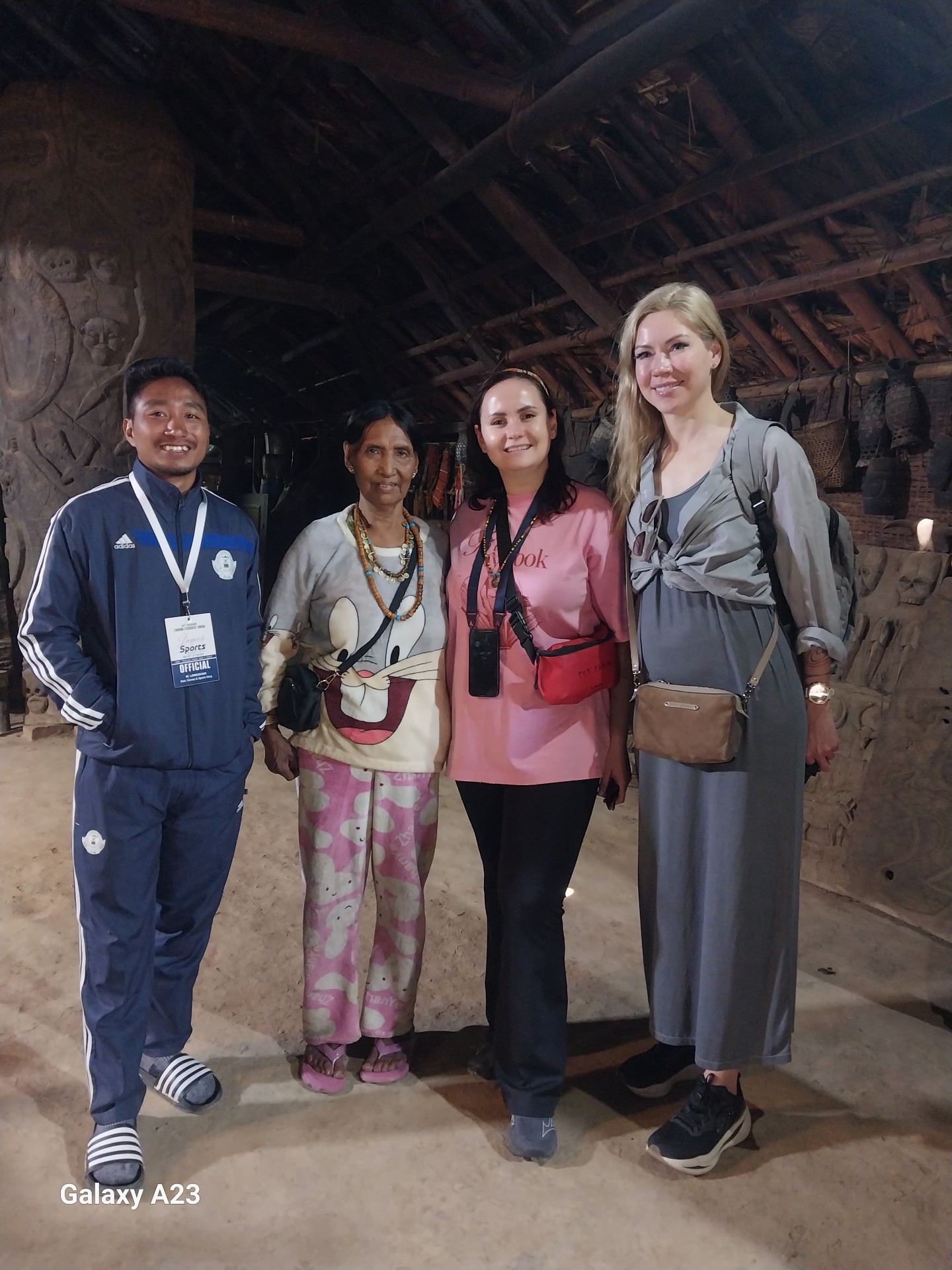
The drive from Dibrugarh to Mon climbs slowly out of the tea gardens and into the folded ridgelines of the Naga Hills. Mon is Konyak country — the tribe once known across the region for their tattooed warriors. Today the last of the tattooed elders live in villages like Longwa and Shangnyu, and meeting them, quietly, in the smoky half-light of a longhouse, is one of those travel moments that rearranges you a little.
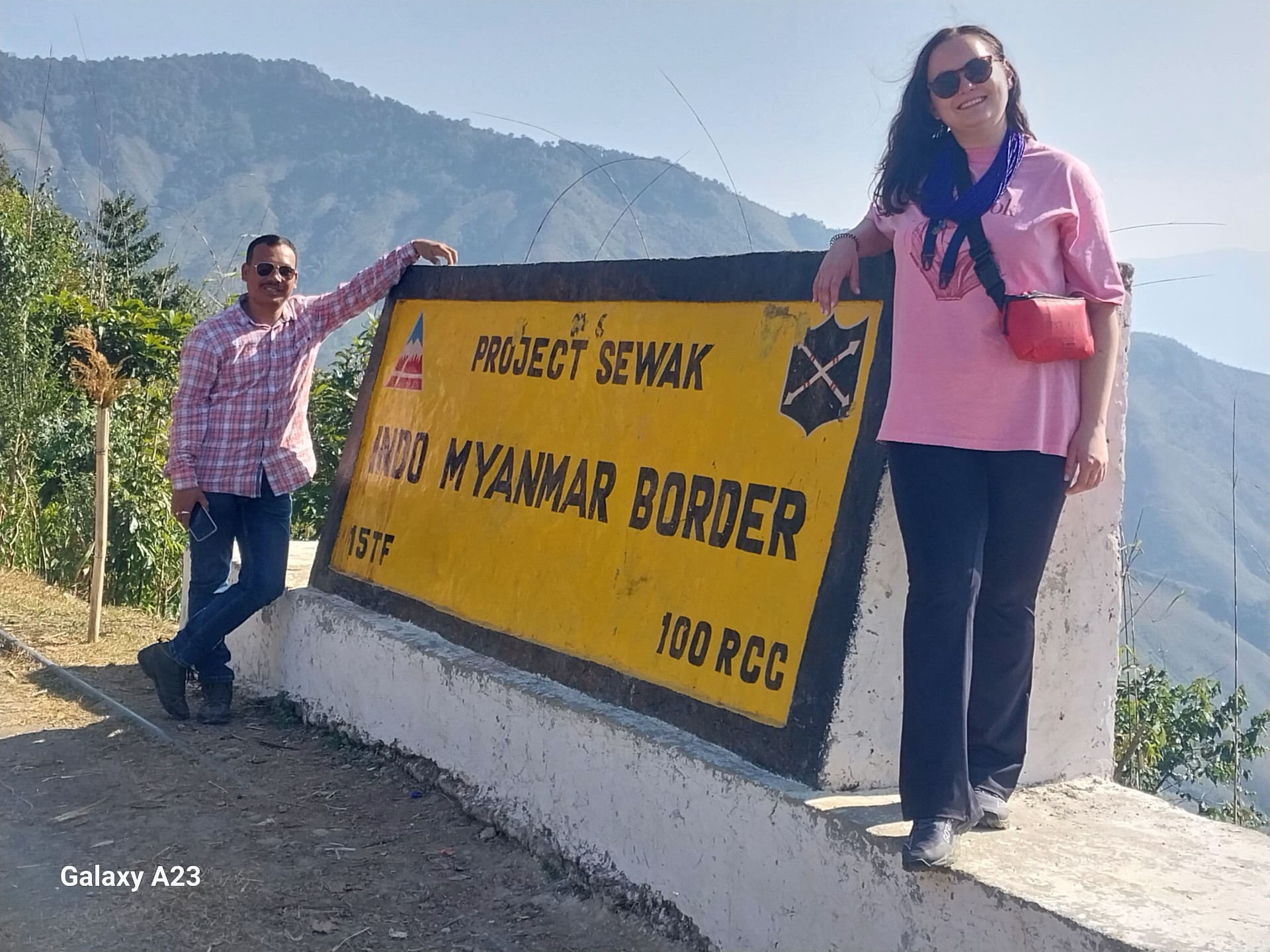
Standing at the yellow border stone, one foot in India and one, in theory, in Myanmar, it becomes obvious why the Konyaks talk about "the line" as something the mapmakers invented and the villages politely ignore. Families, farmland and festivals still spill across it.
Day 4–5 — Mokokchung, the Ao heartland
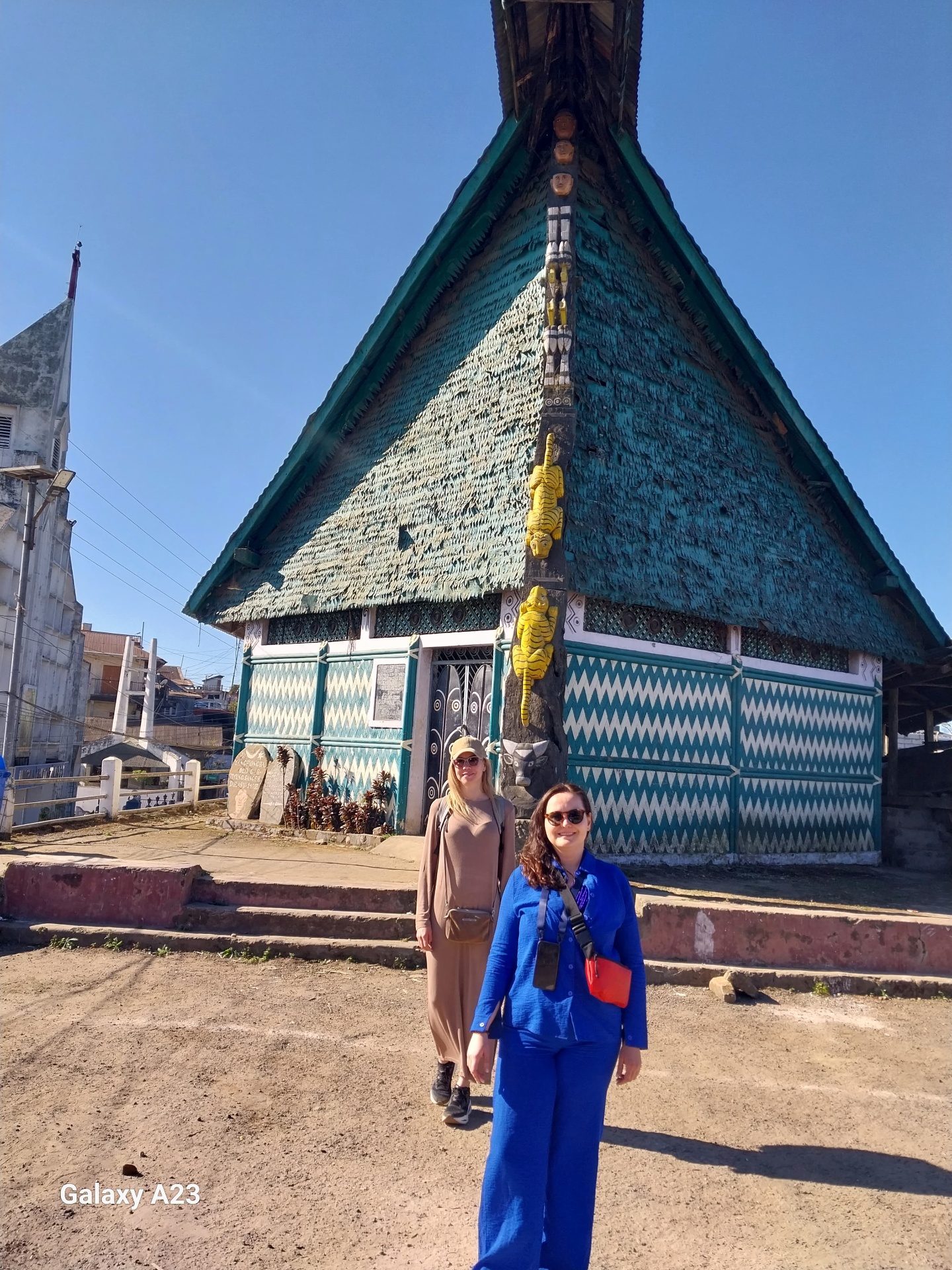
A long, winding day of driving brought the pair into Mokokchung, the cultural capital of the Ao Nagas. Where Mon feels raw and remote, Mokokchung feels literary — a hill town of churches, schools and proud clan histories. The town's ariju (bachelor's dormitory) and painted morungs still stand as reminders of the pre-Christian Naga world.
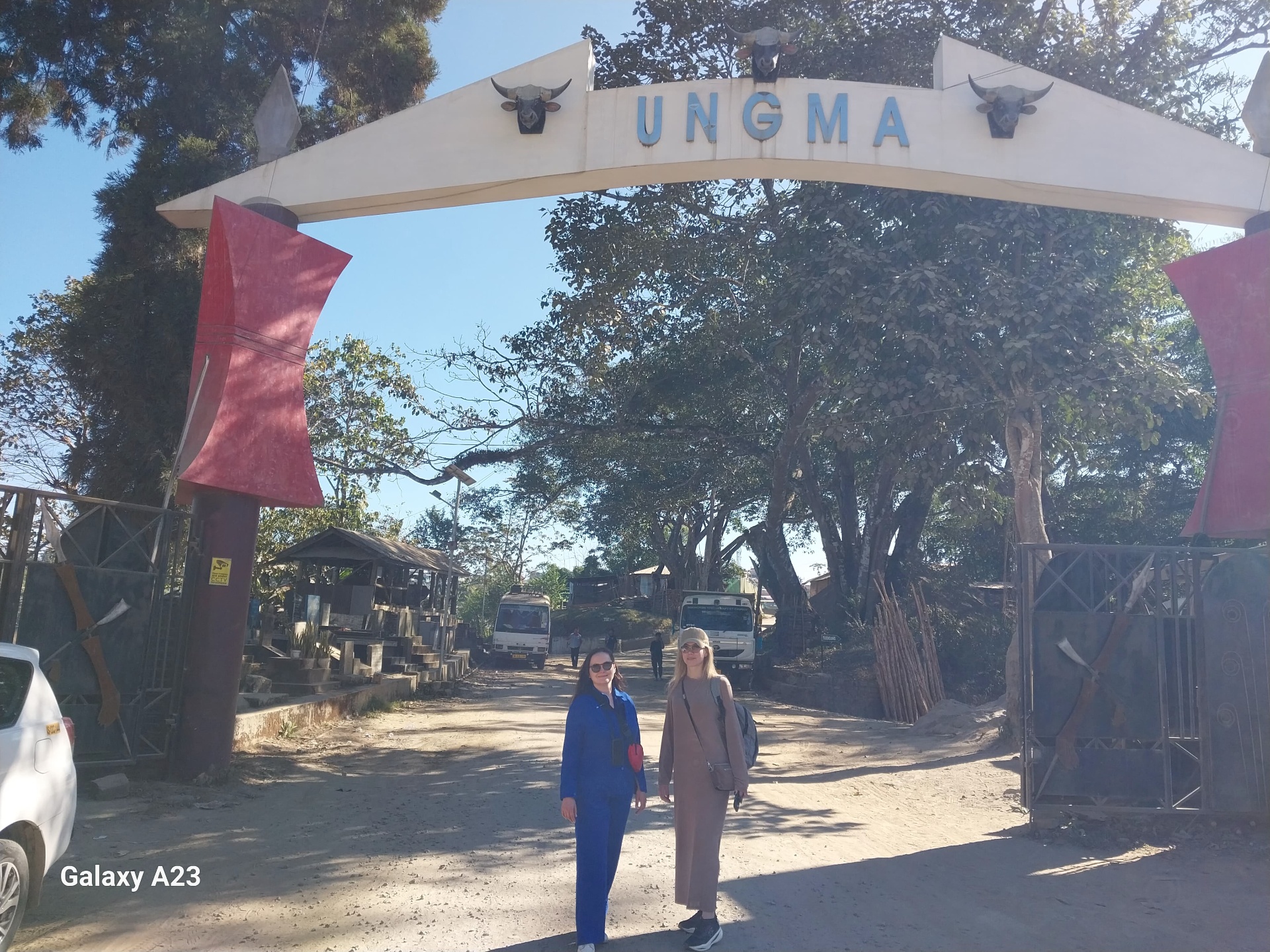
A short drive out of town takes you to Ungma, the largest and oldest Ao village in Nagaland and, by tradition, the mother village of the entire tribe. The gate is unmissable — three mithun skulls staring down the road.
Day 6 — Mokokchung → Wokha → Touphema
The road south from Mokokchung threads through Lotha country around Wokha before dropping towards the Angami villages north of Kohima. The day ends at Touphema, a heritage tourist village where the cottages are built in traditional Angami style and dinner is served with plenty of local rice beer.
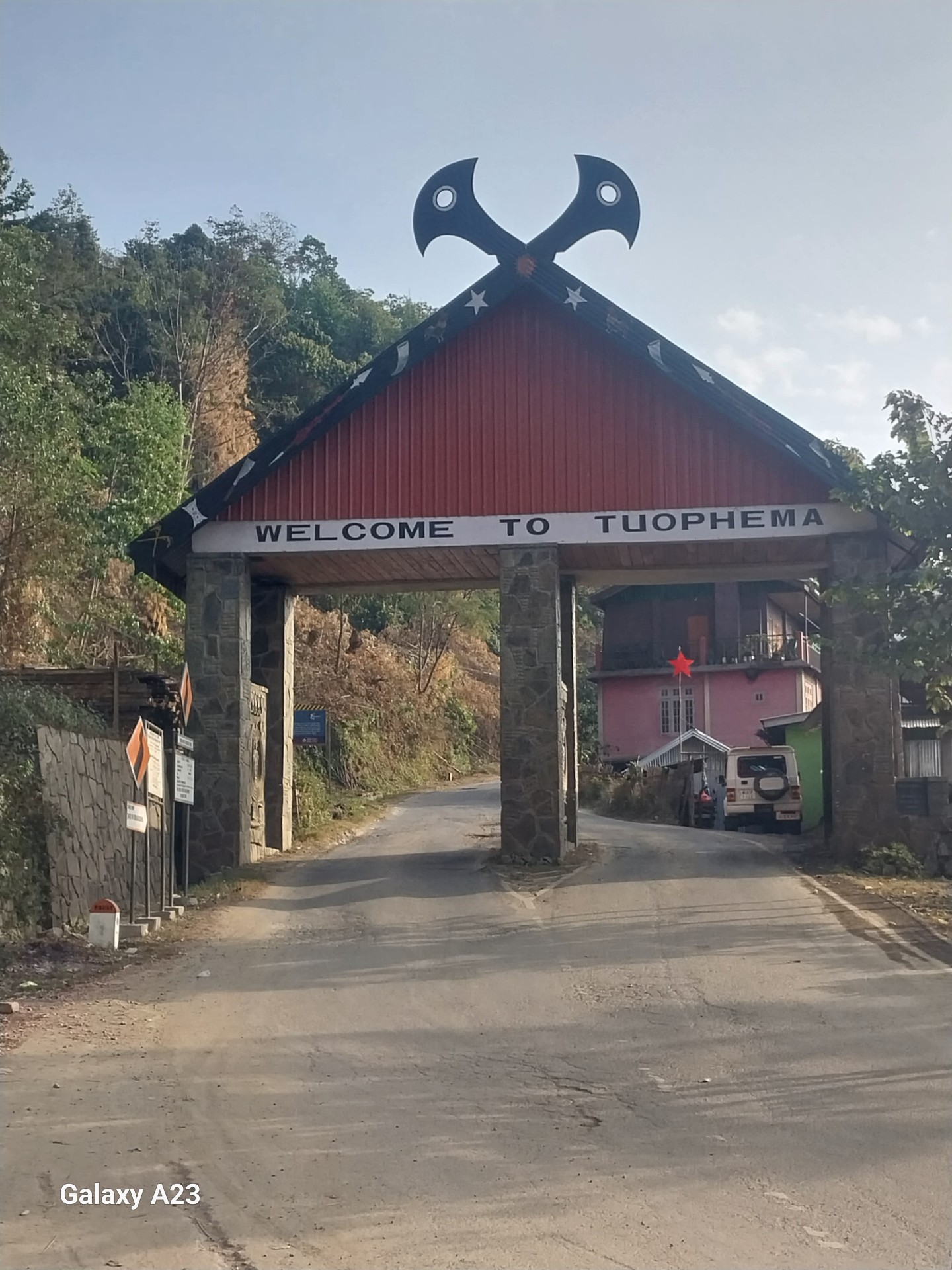
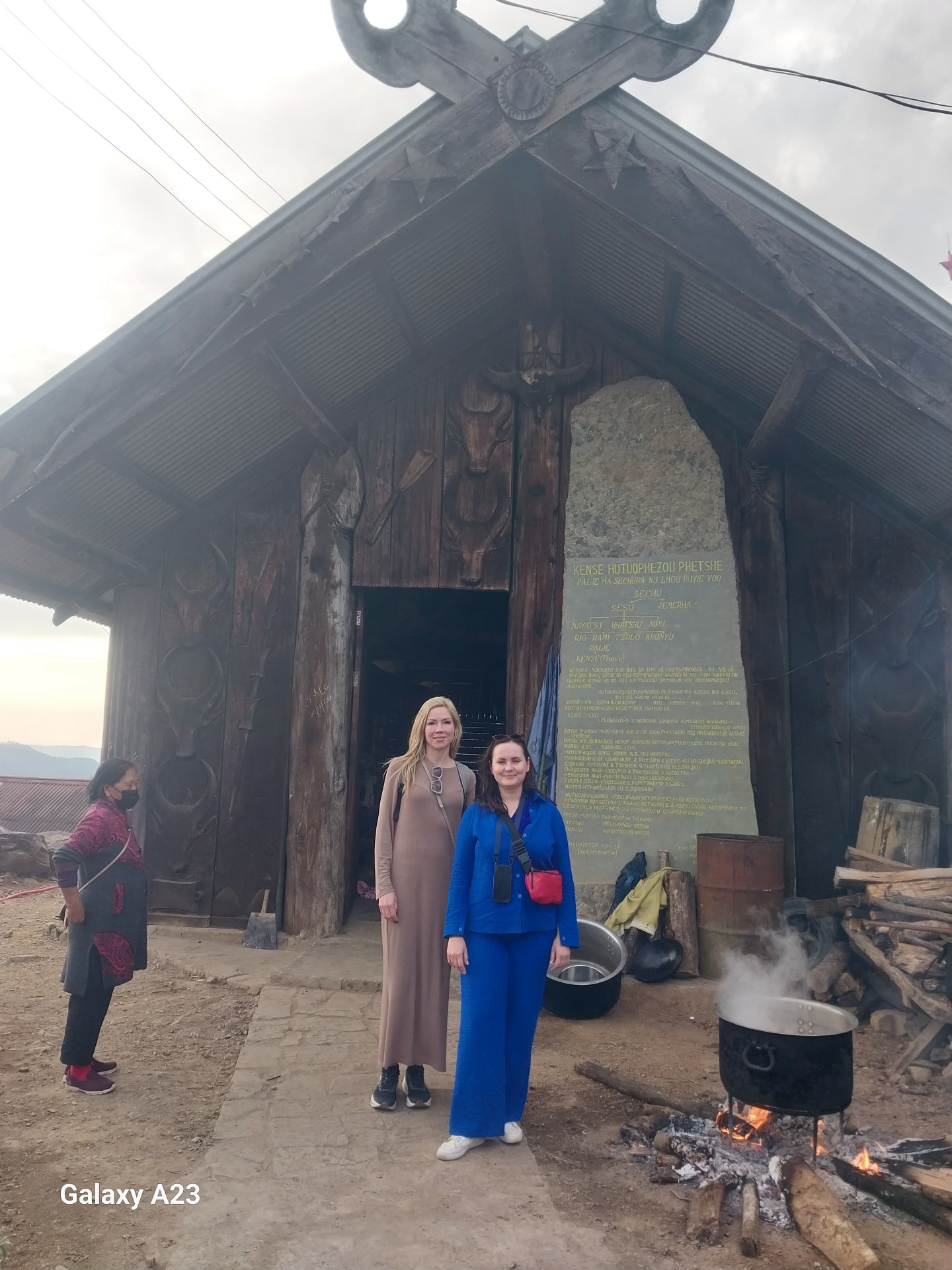
Day 7 — Down to Kohima
Touphema to Kohima is a short, spectacular drive. The state capital sits at 1,400 metres, its houses stacked like books across the ridges. By the time the pair arrived, the city had already tipped into festival gear — trucks of dancers heading out to Kisama, banners strung across the main road, hotel lobbies full of guests comparing which tribe's arena they wanted to visit first.
Day 8 — The Hornbill Festival at Kisama
This was the day the whole trip was built around. Kisama Heritage Village sits about 12 km south of Kohima, spread across a green amphitheatre of pine forest and terraced fields. Every December, all 17 recognised Naga tribes gather here for ten days of dance, music, food and craft. It is the largest cultural festival in Northeast India, and — honestly — unlike anything else in the country.
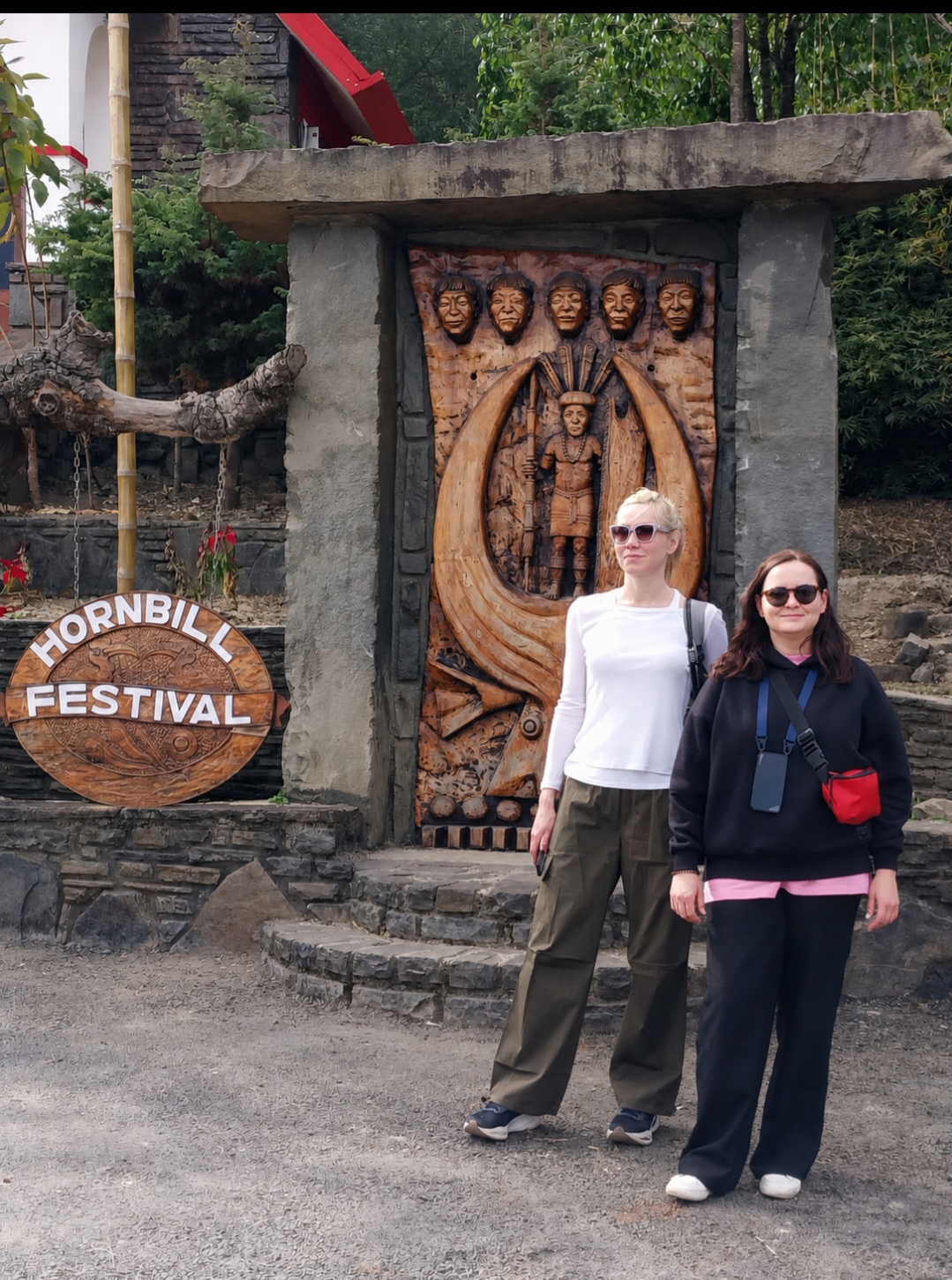
Inside the gate, each tribe has built its own morung — a full-scale replica of the bachelor's dormitory that used to sit at the heart of every Naga village. Walking from the Angami morung to the Ao, Konyak, Sumi, Lotha, Chakhesang, Zeliang and Yimchunger, you effectively walk across Nagaland in a single afternoon. Elders in feathered headdresses sit around open fires, younger dancers rehearse in the shade, and someone always presses a bamboo cup of rice beer into your hand before you can protest.
The main arena runs on a rolling schedule of performances — log-drum pulling, warrior dances, courtship songs, Naga wrestling. What makes it special is how unpolished it feels. This is not a stage show for tourists. The dancers are the villagers. The songs are the ones their grandparents sang. Between acts, the announcer switches casually between English, Nagamese and a tribal language, and nobody minds.
For food, the traditional Naga stalls behind the morungs are the real discovery — smoked pork with bamboo shoot, akhuni (fermented soya) curries, sticky red rice, and the famous Raja Mircha chilli chutney that comes with a small, sincere warning. In the evenings the venue shifts to the Hornbill Music Festival in Kohima, where indie bands from across the Northeast play until the mountain air genuinely bites.
Ask Natalia what she remembers most and it is not a single performance. It is the walk between morungs at dusk — wood smoke in the pines, a Konyak elder quietly re-tying his headdress, the slow realisation that you have stumbled into something that existed long before the festival itself was ever invented. If you go to Nagaland for one thing, go for this — and give it a full three days, not one.
Day 9 — Khonoma and Kigwema
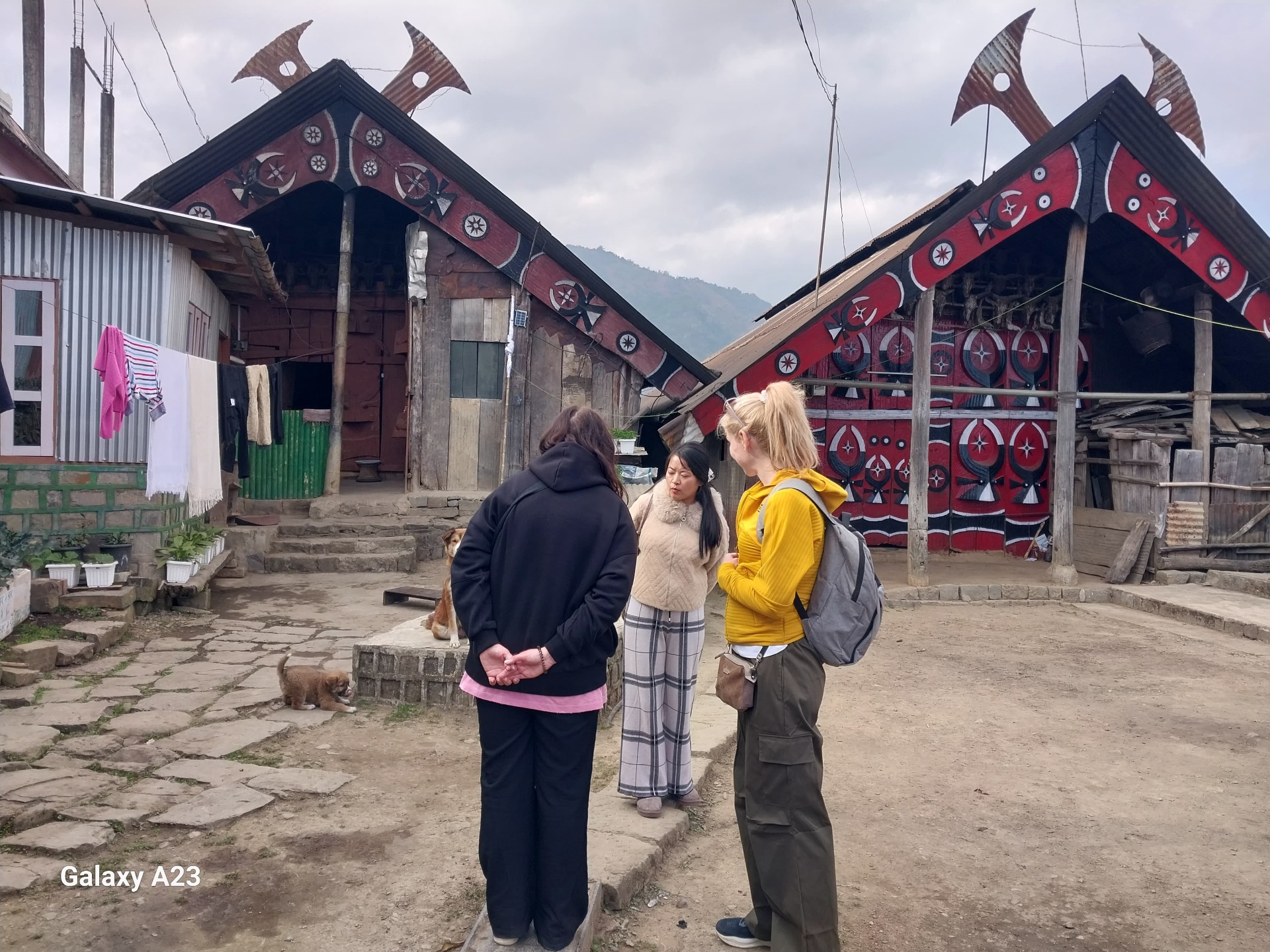
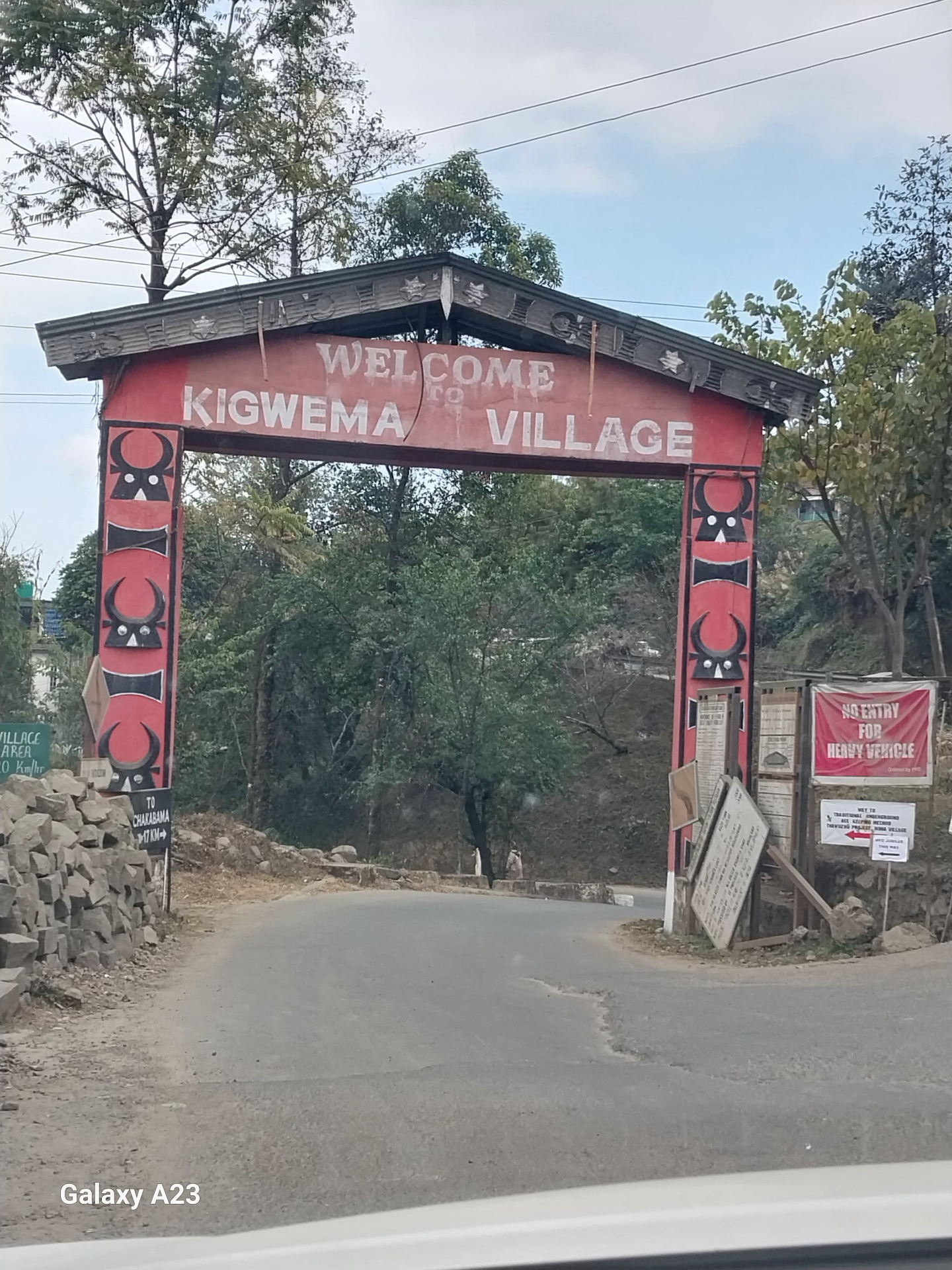
The day after the festival, the pair drove out to two Angami villages that bookend the Kohima valley. Khonoma is India's first "green village" — a warrior settlement that famously resisted the British in 1879 and today runs its own community forest reserve. Kigwema, on the road back towards Kisama, is the village that traditionally hosts visitors during the Hornbill Festival.
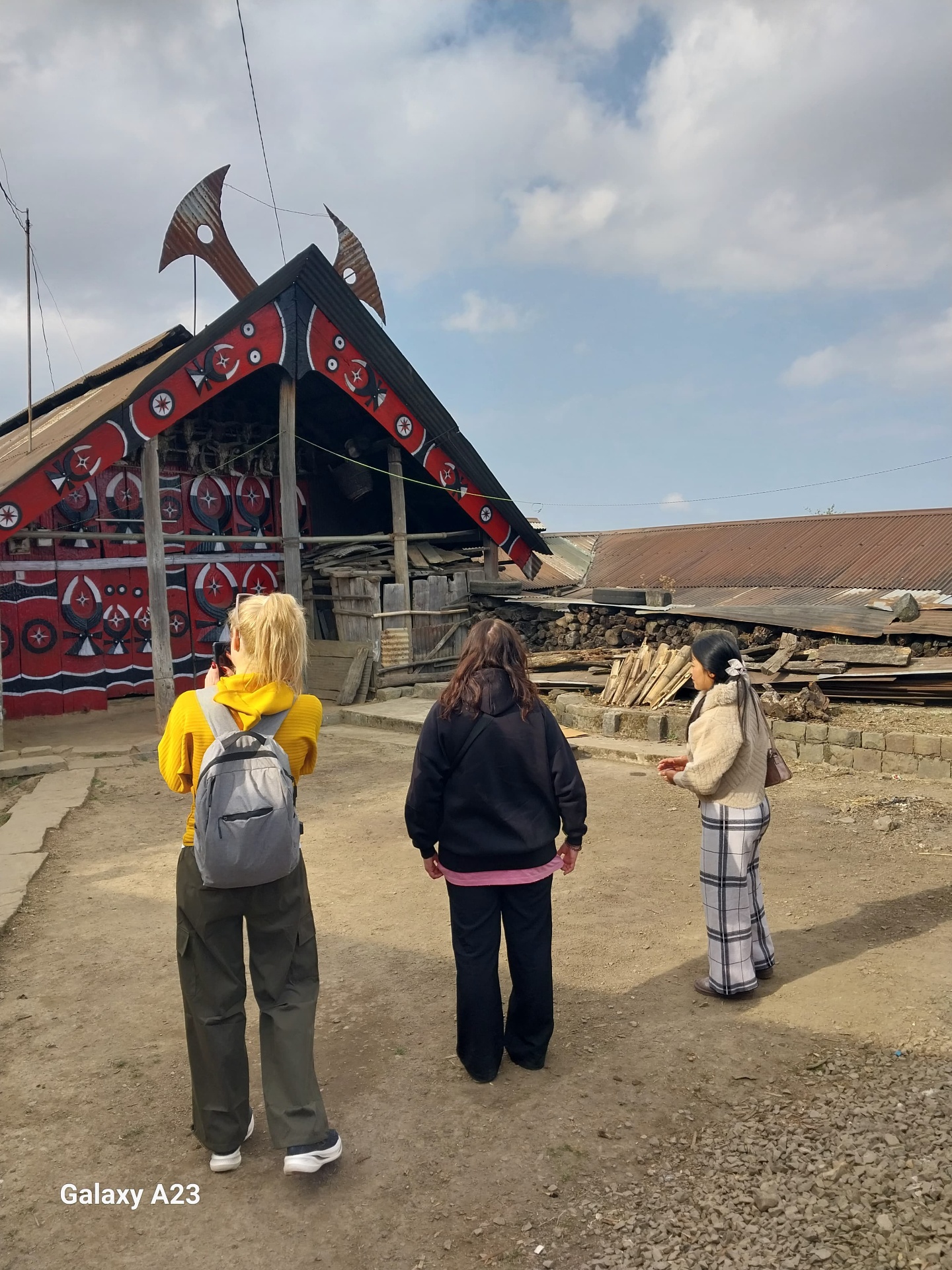
Day 10 — Fly out from Dimapur
The last morning was the usual mix of packing, unfinished conversation and one final cup of Naga tea. Dimapur, down in the plains, has the only commercial airport in the state, and from there the trip unwound in reverse: hills, tea gardens, clouds, home.
Final reflections
Northeast India rewards travellers who slow down. Ten days sounds like a lot until you try to fit Mon, Mokokchung, Wokha, Touphema, Kohima, Khonoma and the Hornbill Festival into it. If Natalia were planning the trip again, she'd add two more days: one more at Mon for the Konyak villages, and one more at Kisama, because the festival is genuinely too big to see in a single visit.
Practical tips
- When to go: The Hornbill Festival runs 1–10 December every year. Arrive by 30 November and stay at least three festival days.
- Permits: Indian visitors need an Inner Line Permit; foreign visitors need to register on arrival. Both are straightforward but do them before you fly.
- Getting in: Fly into Dimapur (DMU) for Kohima and the Hornbill Festival, or Dibrugarh (DIB) if you want to start from Mon in the east.
- Where to sleep: Book Kohima 3–4 months out for festival week. Touphema and Kigwema are lovely village-stay alternatives.
- What to pack: December nights in Kohima drop close to freezing. Layers, a proper jacket, and shoes you don't mind getting muddy.
Plan your own Hornbill Festival trip
If Natalia's story has you looking up flights, start with our Hornbill Festival guide for the current year's dates, arena schedules and practical information on Kisama Heritage Village, Kohima and the surrounding Angami villages.