Introduction
The Chakhesang are a Naga community formed from three closely related groups — Chokri, Khezha and (historically) Sangtam — who together inhabit Phek district in southern Nagaland. The name 'Chakhesang' is itself an acronym taken from the first letters of the three groups.
The Chakhesang are particularly known for terrace agriculture, fine weaving and the spectacular Dzükou valley, which lies on the border between Chakhesang and Angami country.
History & Origins
The Chakhesang trace their origins to the ancestral village of Khezhakeno, which is also claimed by several other Naga tribes. From Khezhakeno, the Chakhesang clans migrated to settle the present-day Phek district.
Christianity reached the Chakhesang in the early twentieth century and is now the predominant religion.
District & Location
Phek district sits in southern Nagaland, bordering Manipur. The district town of Phek is around four hours' drive from Kohima.
Important Villages
Khezhakeno is the ancestral village. Pfütsero, at over 2,000 metres, is one of the highest towns in Nagaland and is famous for its terraced fields and cool climate. Chizami is known for the Chizami Weaves cooperative, which has revived Chakhesang weaving traditions.
Traditional Attire
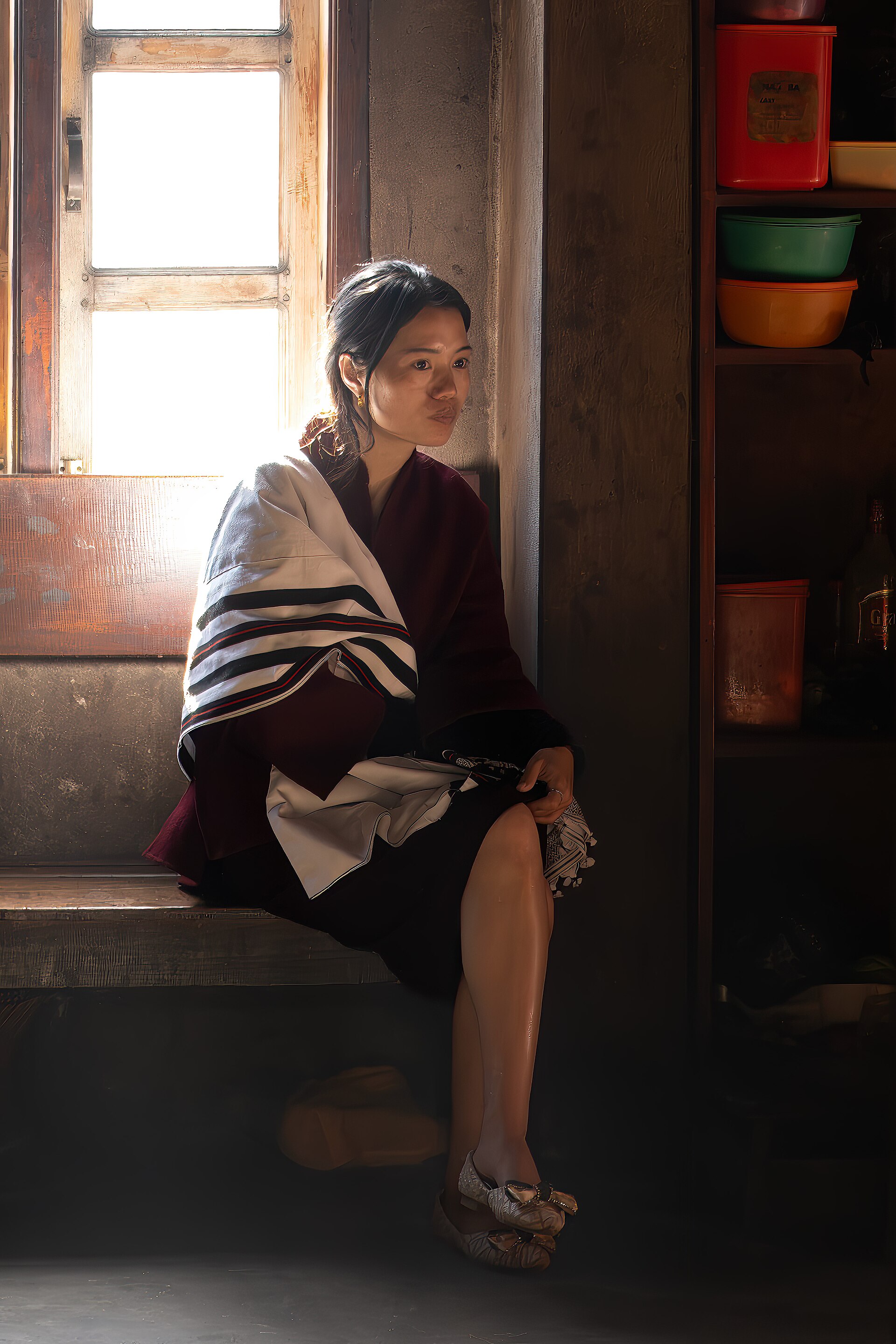
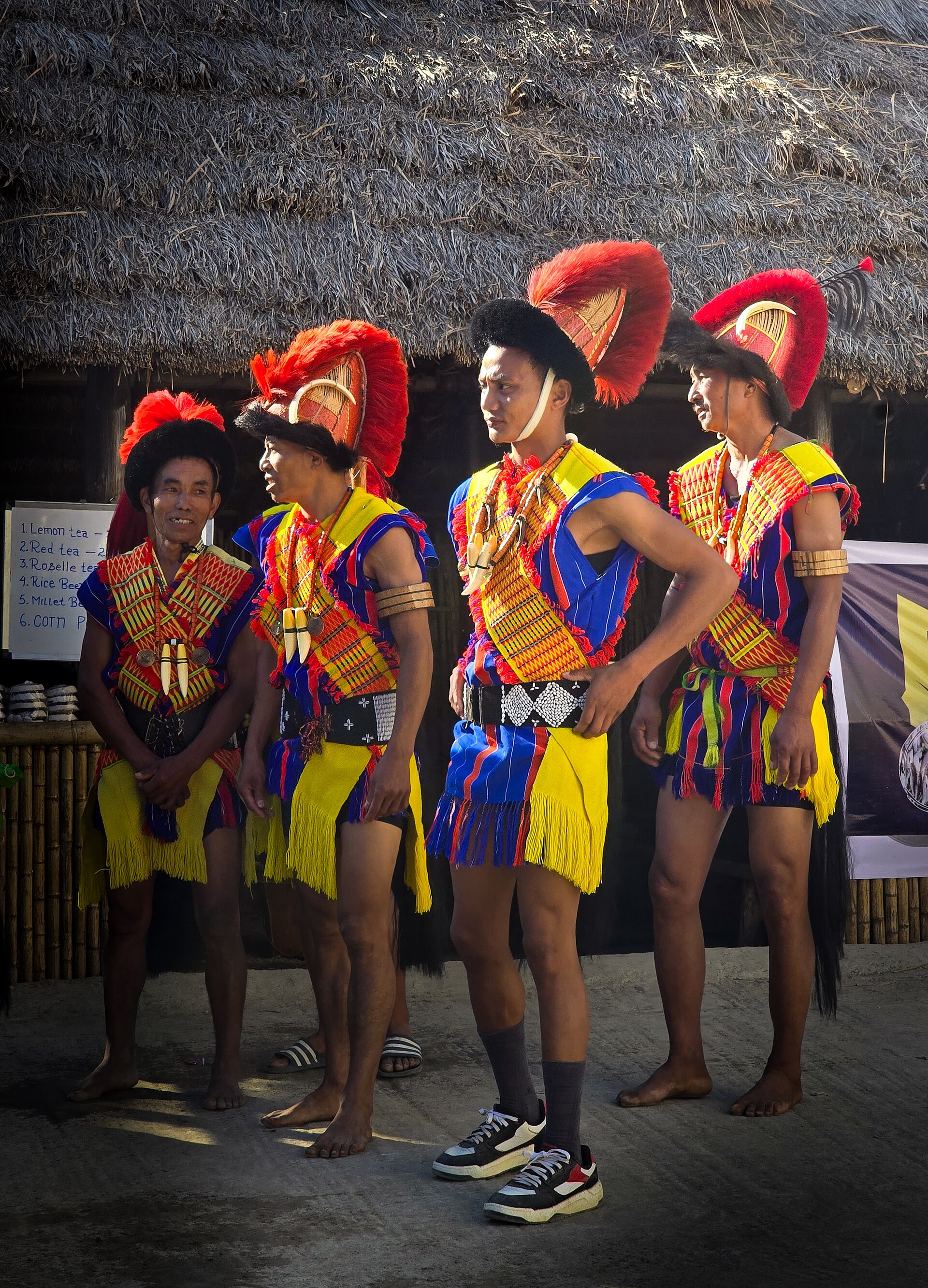
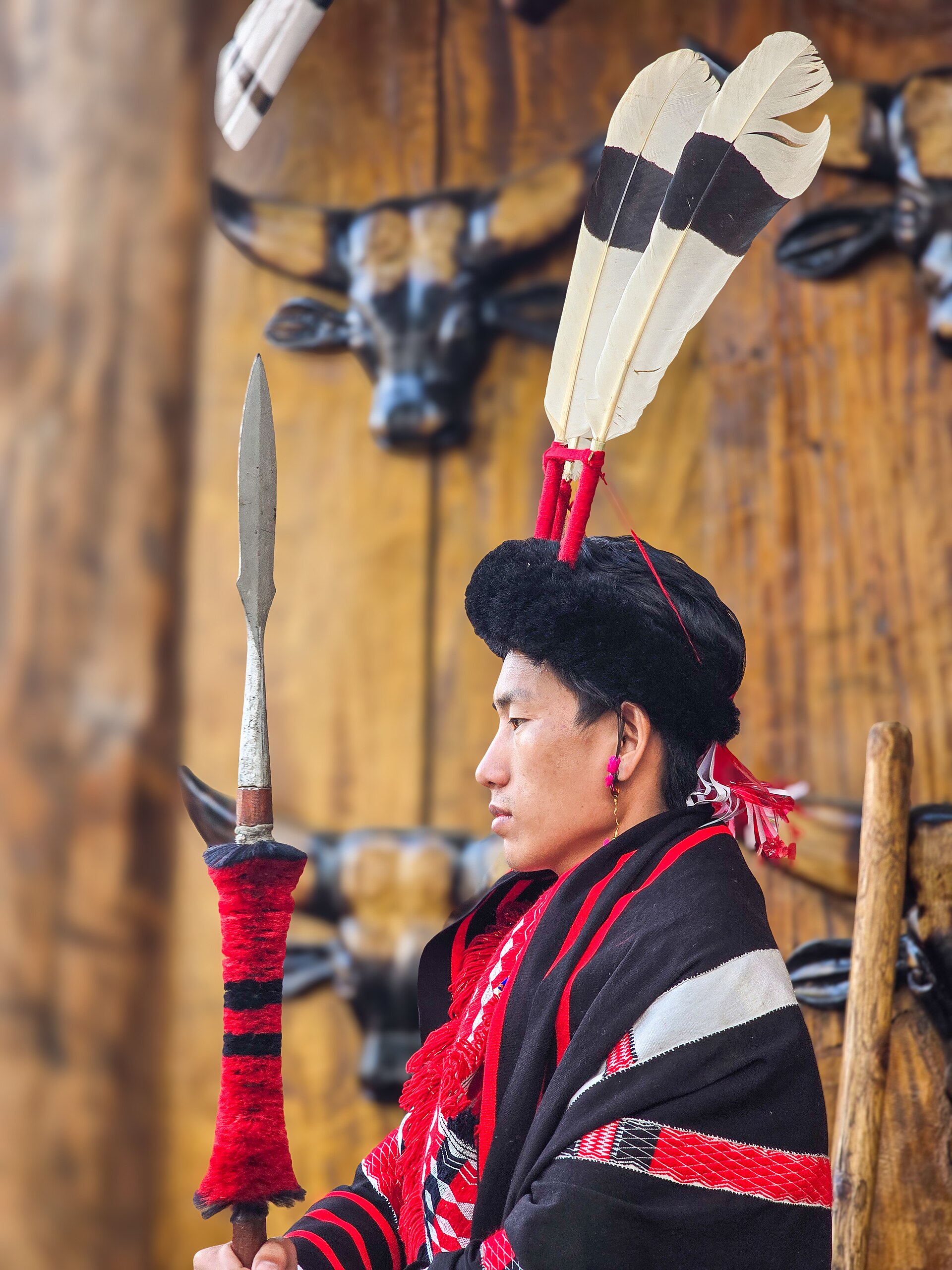
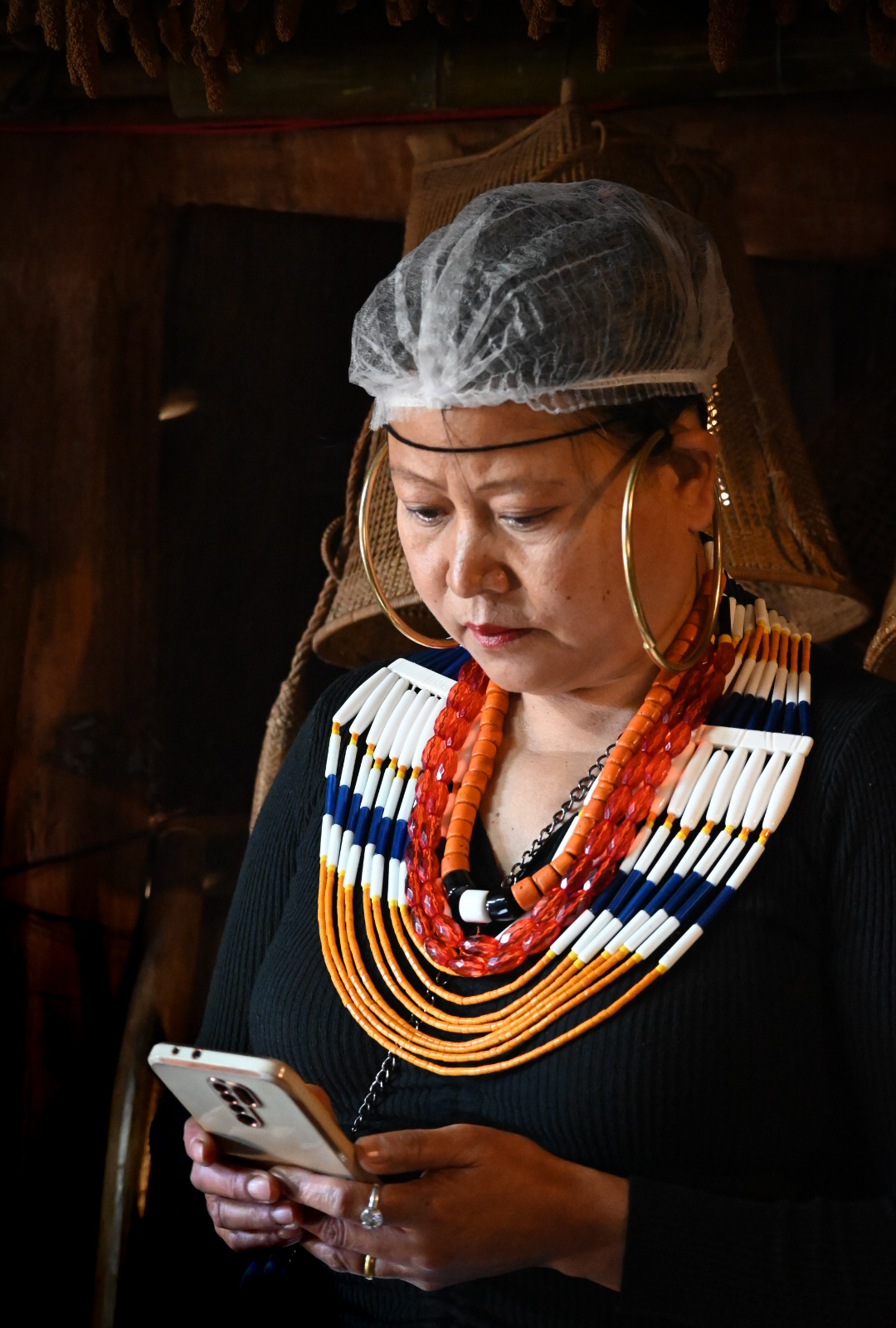
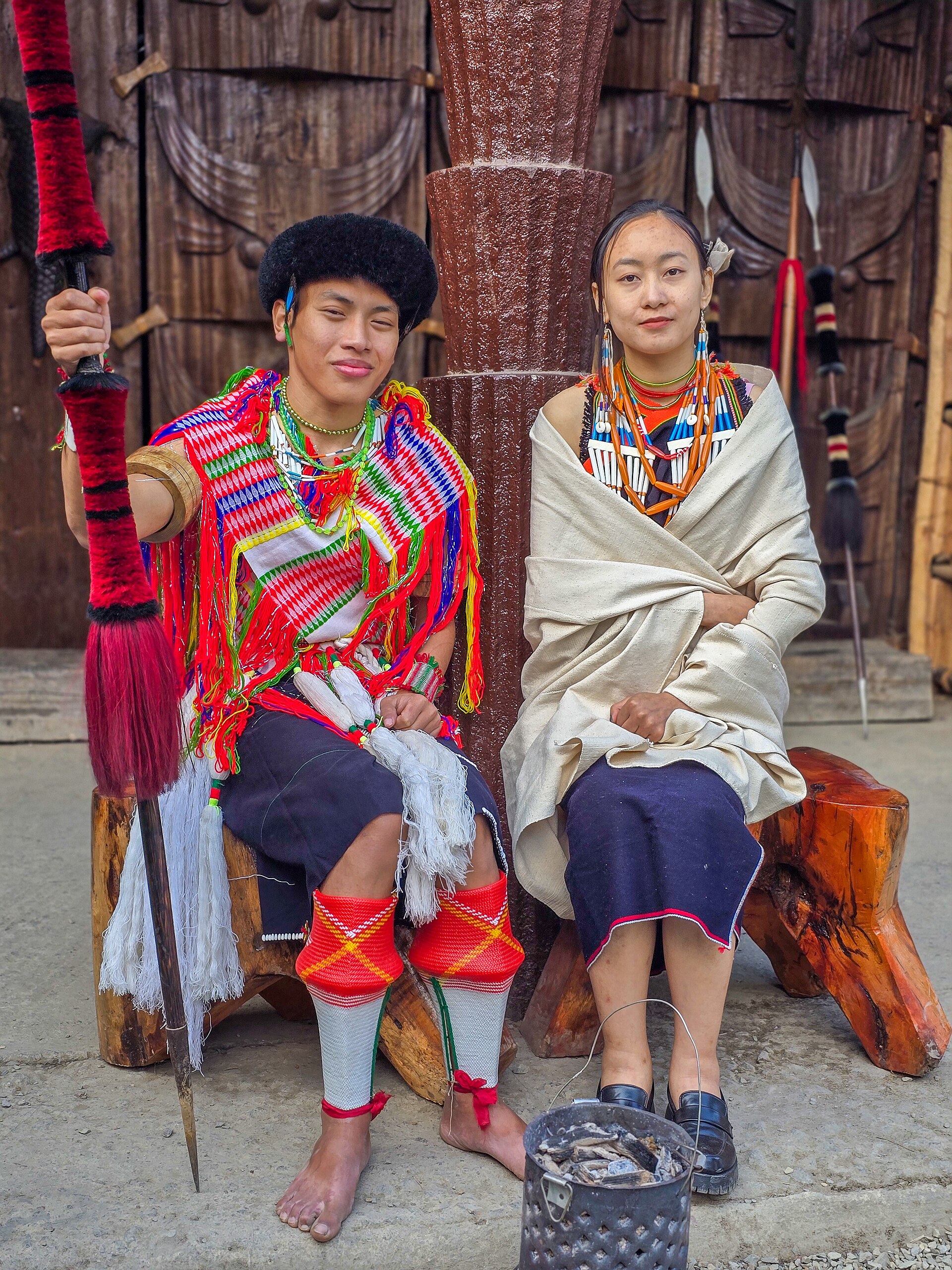
Chakhesang shawls are among the most distinctive in Nagaland — woven in deep red and black, with bands of intricate patterning. Women wear wraparound skirts with bold geometric designs and bead necklaces. Men wear black kilts with ceremonial shawls.
Morung & Architecture
Chakhesang villages are built on hilltops with stone-walled houses and carved monoliths recording clan history. The morung tradition has largely faded but the architecture is preserved.
Culture & Lifestyle
Chakhesang society is organised around clans and led by village councils. Terrace agriculture, particularly of wet rice, is the backbone of the economy. The terraced fields of Phek district are among the most beautiful in Nagaland.
Festivals & Celebrations
Sükrünyi, celebrated in January, is the most important Chakhesang festival. It marks the renewal of the year and includes elaborate purification rituals. Tsükhenyi, in April, marks the start of sowing season.
Food & Cuisine
Chakhesang cuisine features rice, smoked pork, fermented bamboo shoot and a wide range of foraged greens. Pfütsero is famous for its kiwi fruit and apples, which grow well at altitude.
Arts, Music & Dance
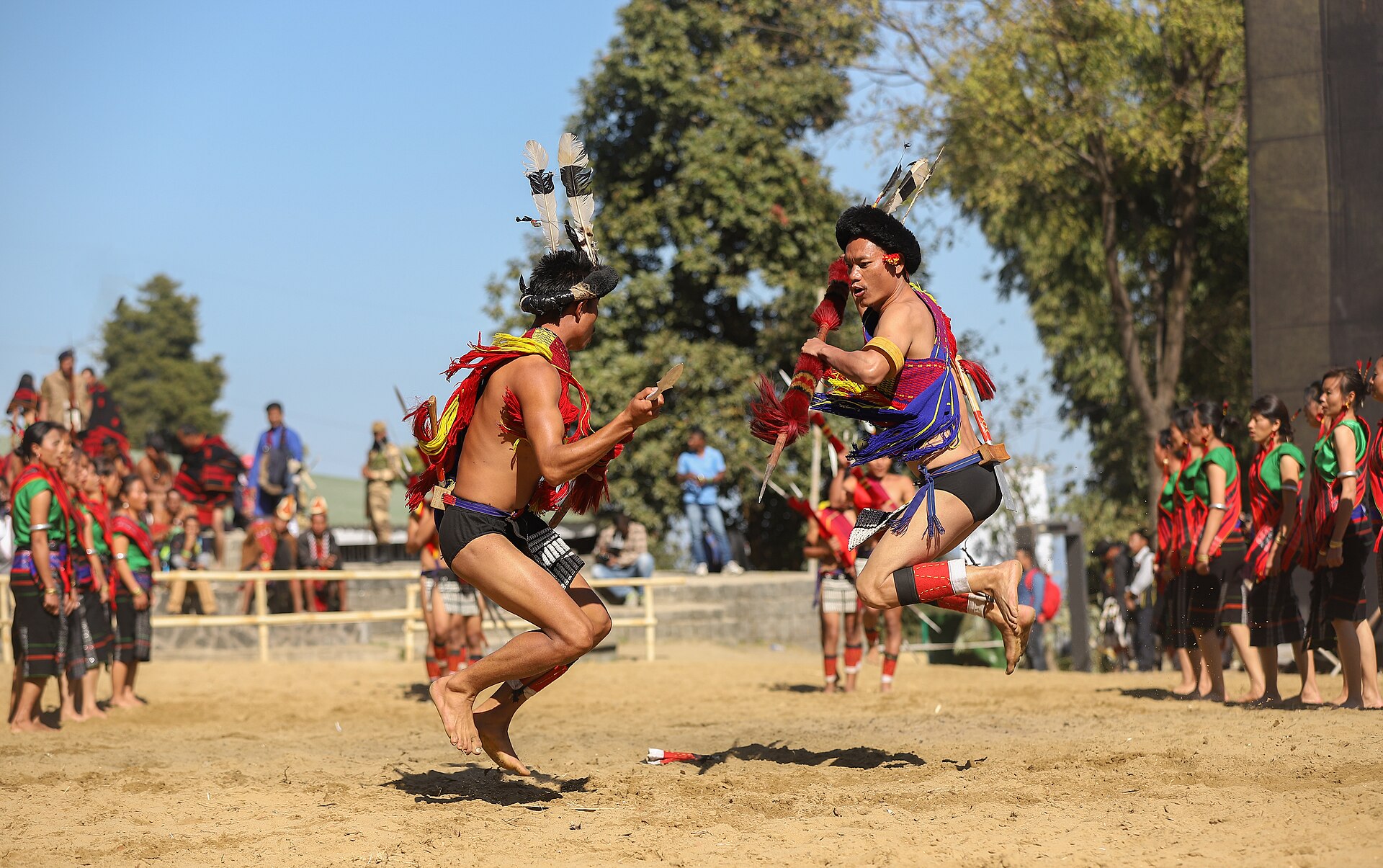
Chakhesang weaving is one of the finest traditions in Nagaland, with patterns that have been preserved and revived by women's cooperatives. Folk songs are sung in harmony, and traditional dances are performed at festivals in full ceremonial dress.
Role During Hornbill Festival
The Chakhesang morung at Kisama is known for displays of the finest woven shawls and demonstrations of weaving on the back-strap loom.
Jewellery & Ornaments
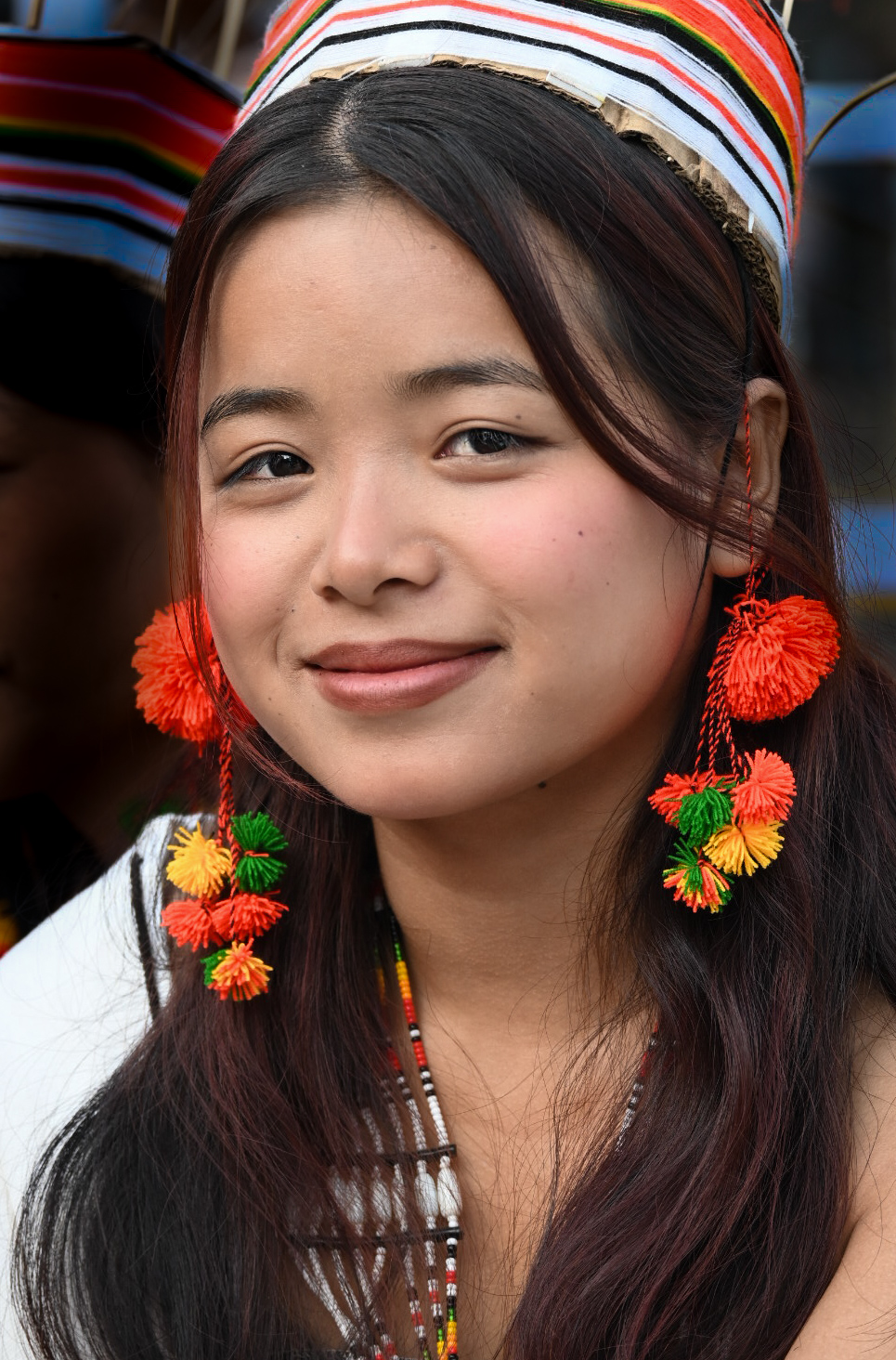
Chakhesang women wear distinctive heavy bead necklaces of cornelian, red glass and conch, often layered in five or six strands. Men wear cowrie baldrics and boar-tusk armlets.
Photography Tips
Khezhakeno village (the ancestral village of several Naga tribes) holds a small Sukhrunye festival in January — the stone-monolith heritage is unique.
Pfutsero, the highest town in Nagaland, photographs beautifully at sunrise (Glory Peak viewpoint) — coldest months are December–February.
At Kisama the Chakhesang morung's all-women weaving display is a quiet portrait opportunity around midday.
Cultural Etiquette
The Chakhesang are a confederation of three sub-tribes (Chokri, Khezha, Sangtam) — address each by their sub-tribal name when known.
Khezhakeno is a sacred site for several Naga tribes — the ancestral rock should not be climbed on or touched.
Related Hornbill Performances at Kisama
At Kisama the Chakhesang morung features the Süle harvest dance, women's harmony singing (the Chakhesang are famous for the Tetseo Sisters' style of polyphony), and weaving demonstrations of the bold-banded Chakhesang shawl.
Travel Information
The Chakhesang homeland in Phek district is reached most easily by road from Kohima or Dimapur. Most travellers fly into Dimapur (DMU), the only commercial airport in Nagaland, and continue by shared sumo or private vehicle. The drive from Dimapur to Kohima takes around two and a half to three hours; onward travel to the Chakhesang districts varies from a couple of hours to a full day depending on the village.
Permits are essential. Indian travellers need an Inner Line Permit (ILP), which can be issued online or at entry points in Dimapur and Kohima. Foreign travellers need a Protected Area Permit (PAP) and must register at the Foreigners' Registration Office on arrival. We handle both as part of any booking.
October to April is the most comfortable window to visit. December is festival season — roads are busier, stays book out months in advance, and temperatures in the hills drop sharply at night. Carry layers, sturdy shoes for village walks, and a power bank; electricity in remote villages can be intermittent.
Accommodation Options
Stays in Chakhesang country range from simple village homestays run by local families to mid-range guesthouses in the district headquarters. Kohima itself offers a wider choice — from deluxe properties like The Heritage and Razhü Pru to comfortable standard hotels closer to Kisama.
For a more immersive experience, we recommend at least one night in a traditional homestay. You'll share meals cooked over a wood fire, hear stories from elders, and wake to the sounds of a working Naga village. Most homestays are basic but spotlessly clean, with shared bathrooms and warm bedding.
During the Hornbill Festival (1–10 December), rooms in and around Kohima fill up by September. Booking early matters more than booking expensive — we'll suggest the right fit based on your dates, budget and how close to Kisama you want to be.
Gallery
Photographs from Phek district, Pfütsero and Chizami villages.
Photographs
Frequently Asked Questions
- What is the Chakhesang's connection to Khezhakeno village?
- Khezhakeno in Phek district is the ancestral village from which the Angami, Chakhesang, Mao and Pochury are all said to have migrated — a deeply sacred site for the southern Naga tribes.
- When is Sukhrunye festival?
- Sukhrunye is the Chakhesang Chokri sub-tribe festival held in January, a purification festival similar to the Angami Sekrenyi.
Plan a Chakhesang Visit
Plan Your Visit
Meet the Chakhesang at the Hornbill Festival
See the Chakhesang morung in person at Kisama, or extend your trip with a visit to a Chakhesang village in Phek District.