Introduction
The Khiamniungan are a Naga tribe living in Noklak district, in the easternmost part of Nagaland. Their territory extends across the international border into Myanmar, where a significant Khiamniungan population continues to live. The name 'Khiamniungan' means 'source of great waters'.
History & Origins
Khiamniungan oral history traces the tribe's origins to a common ancestor and migration from the east. The community is one of the more isolated Naga tribes, with much of its traditional culture preserved due to limited outside contact until recent decades.
District & Location
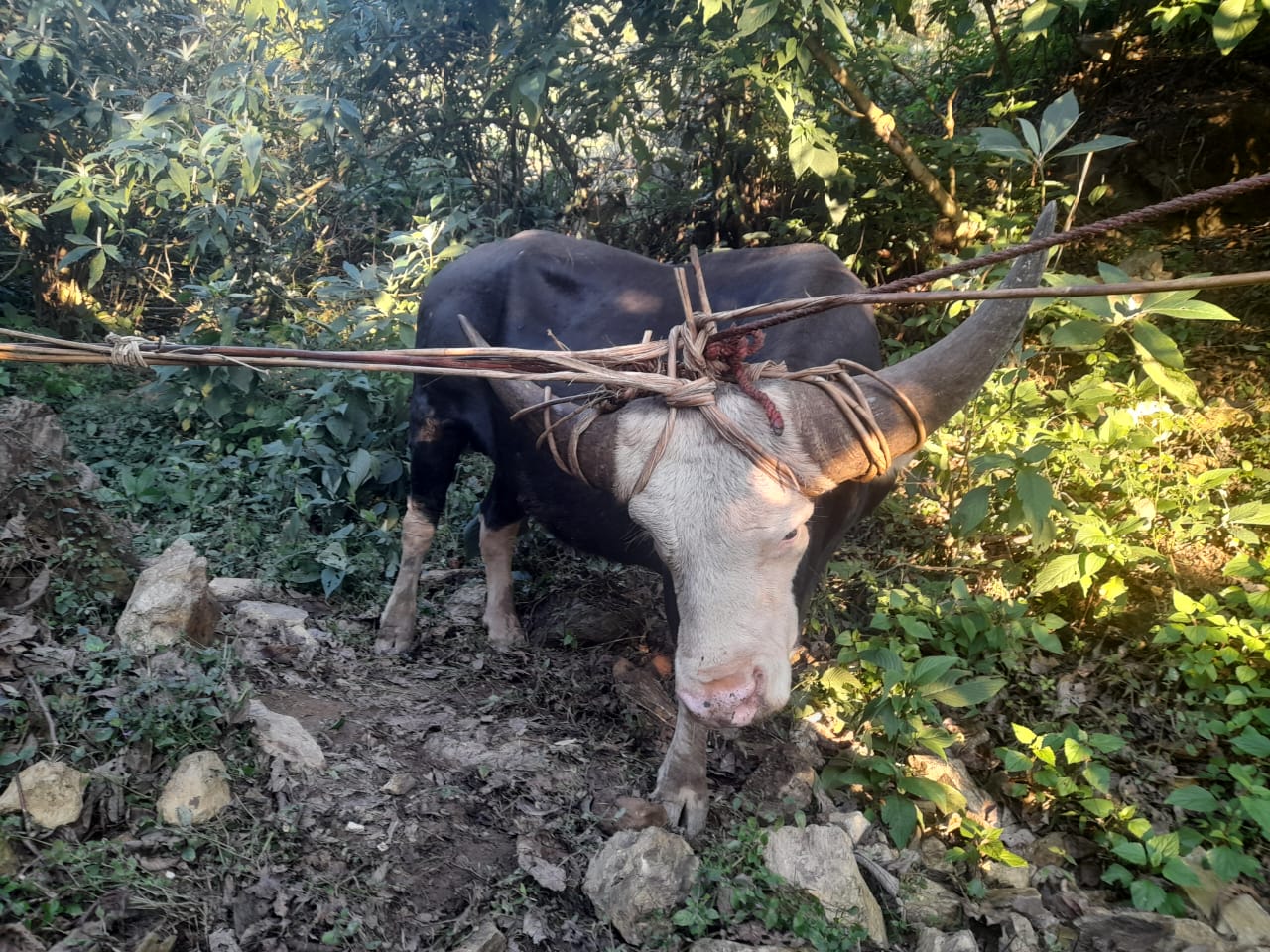
Noklak district, created in 2017 from part of Tuensang district, is the Khiamniungan heartland. The drive from Kohima takes around ten hours.
Important Villages
Noklak, Pathso and Choklangan are among the principal Khiamniungan villages.
Traditional Attire
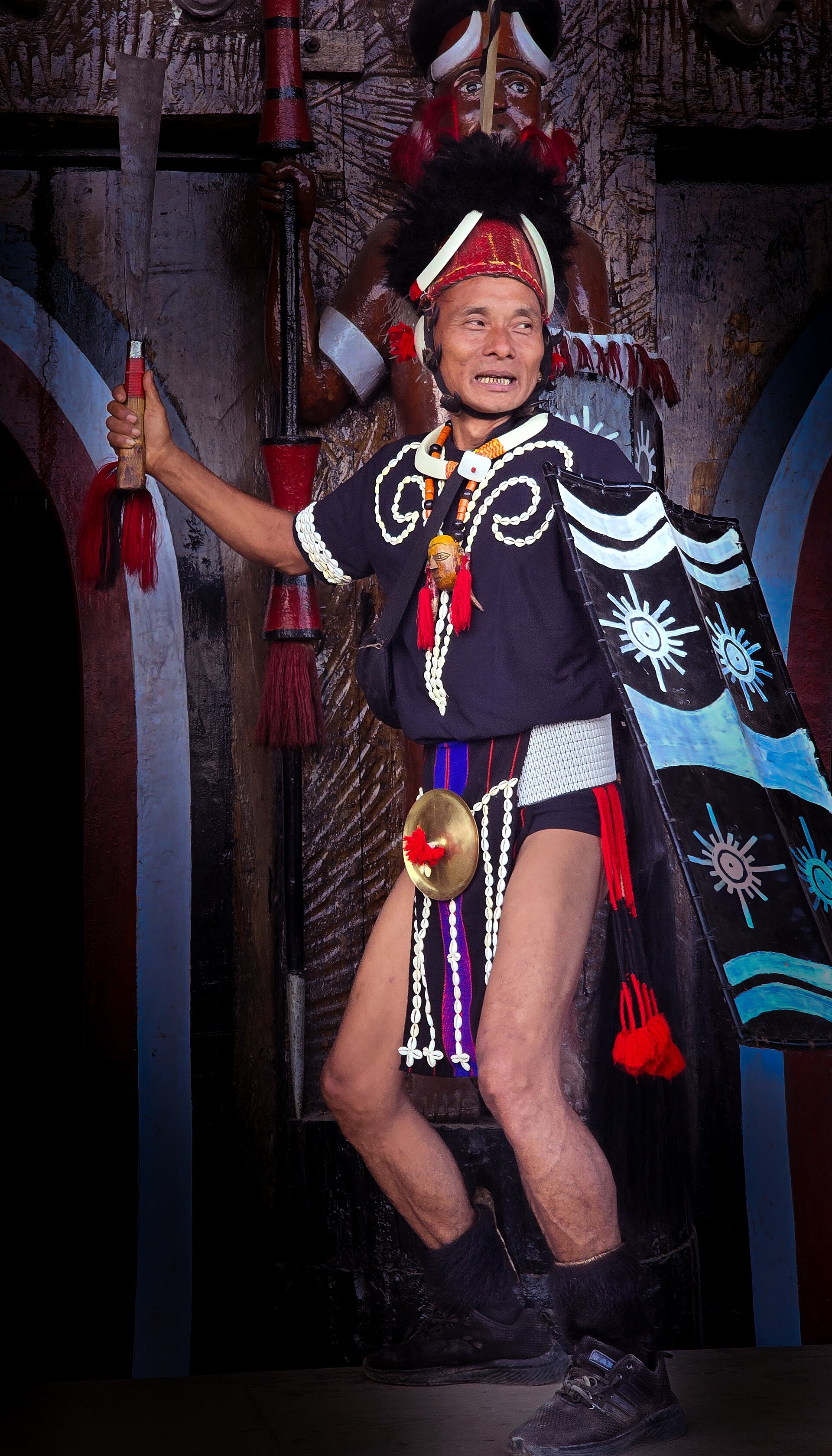
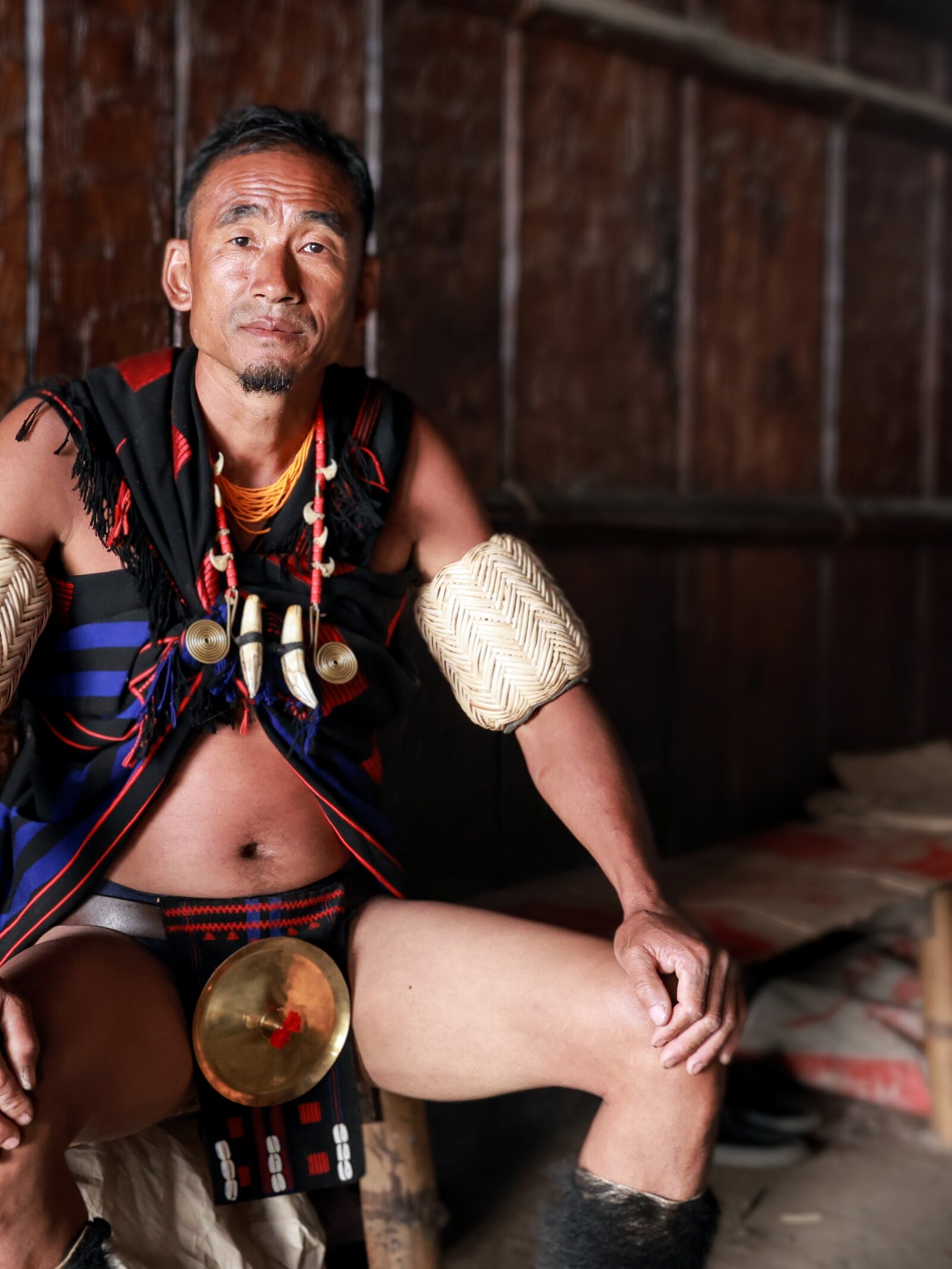
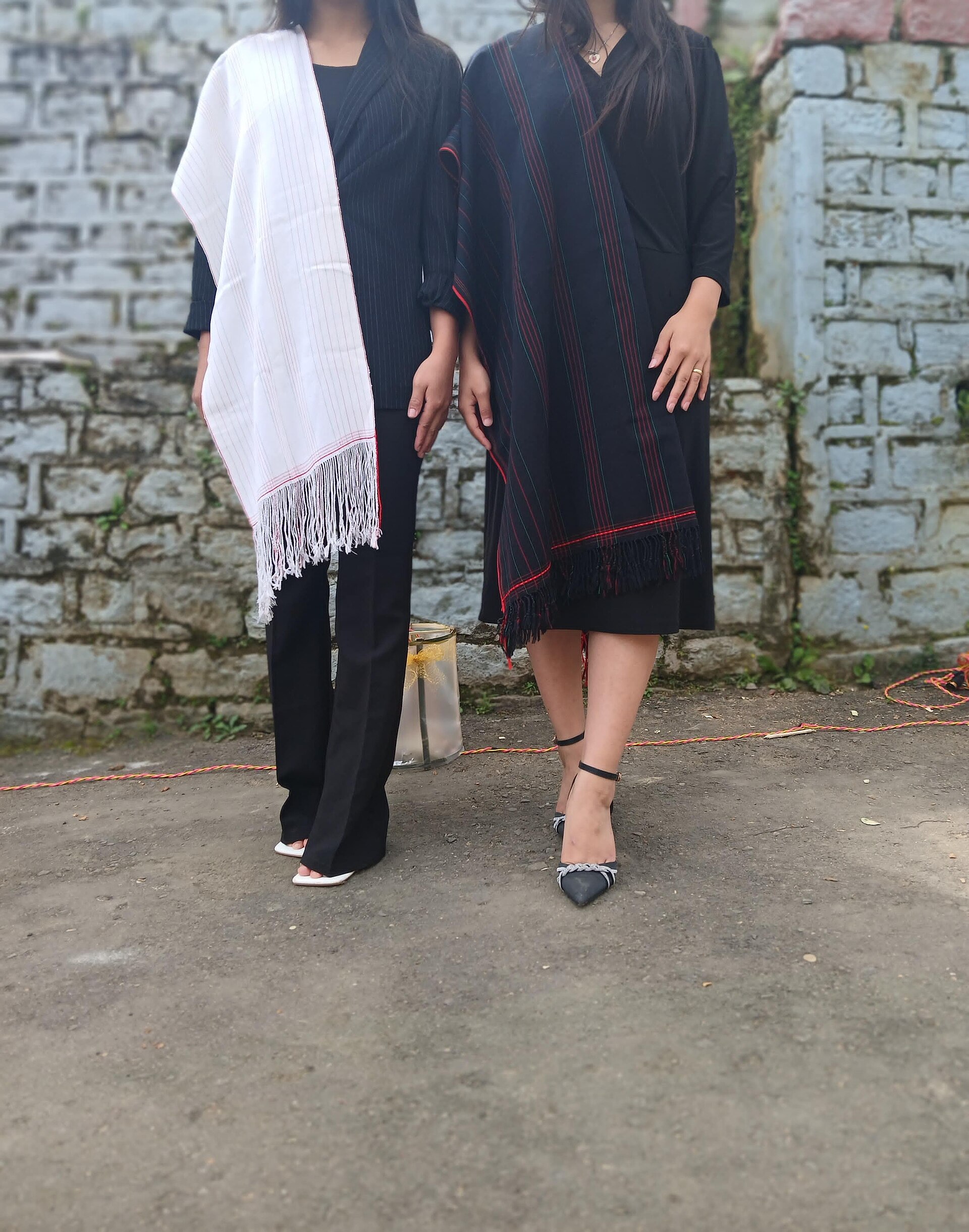
Khiamniungan men wear a black kilt with a richly patterned ceremonial shawl. Women wear wraparound skirts with bold bands and bead necklaces. Both men and women wear distinctive brass ornaments.
Morung & Architecture
Khiamniungan villages are built on hilltops with houses of timber and bamboo. Many villages still maintain traditional morungs and ceremonial grounds.
Culture & Lifestyle
Khiamniungan society is organised around clans and led by village councils. Jhum cultivation is the principal form of agriculture, supplemented by hunting and fishing.
Festivals & Celebrations
Miu, celebrated in May, is the most important Khiamniungan festival. It marks the bond between maternal uncles and their nephews and nieces, with elaborate exchanges of gifts.
Food & Cuisine
Khiamniungan cuisine features smoked pork, bamboo shoot, foraged greens and a wide range of chillies.
Arts, Music & Dance
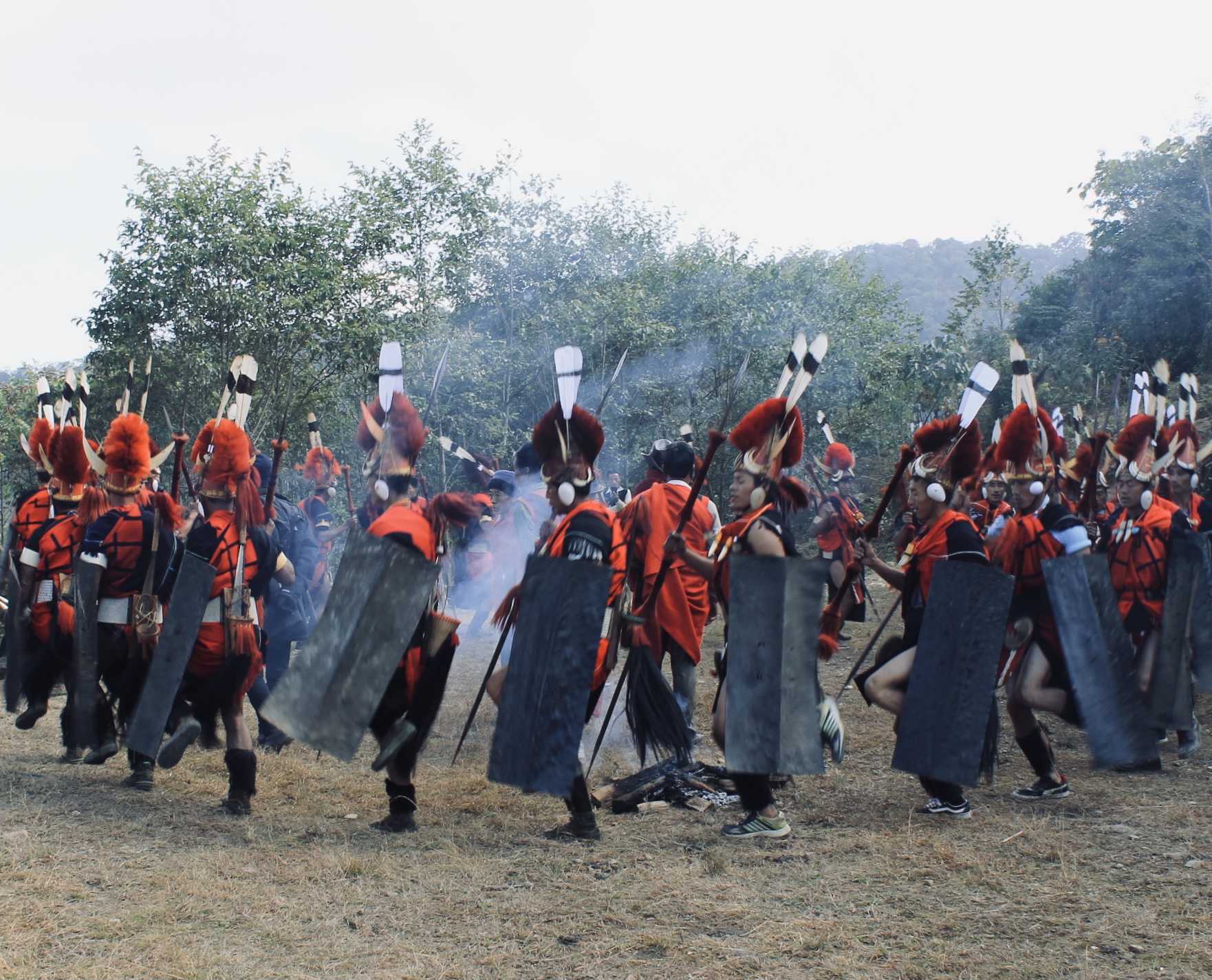
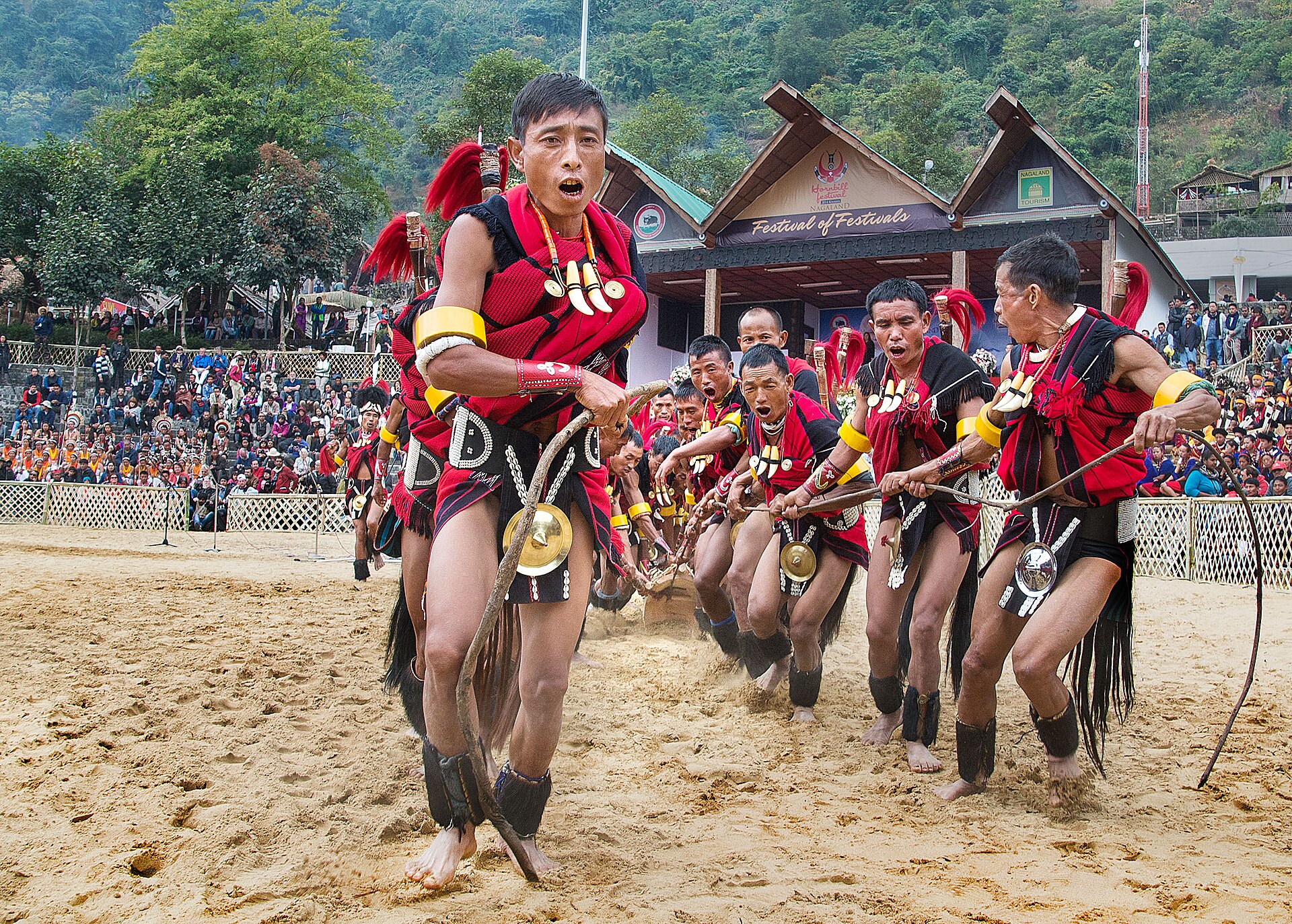
Khiamniungan folk songs are sung in harmony, and traditional dances are performed at festivals in full ceremonial dress.
Role During Hornbill Festival
The Khiamniungan morung at Kisama is one of the more remote contingents to travel to the festival, and their performances are particularly appreciated for the preservation of traditional forms.
Jewellery & Ornaments
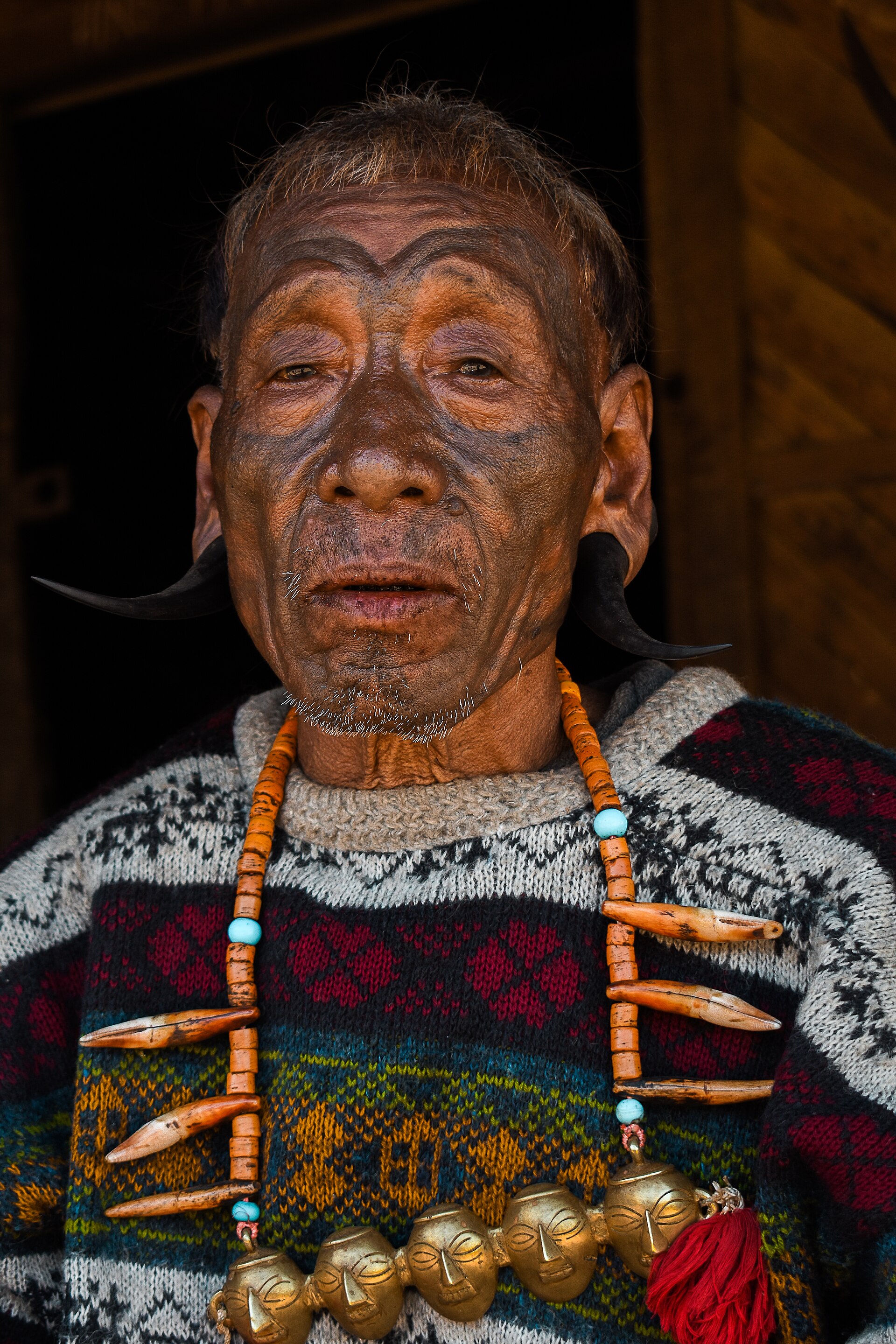
Khiamniungan men wear conch-shell baldrics, brass earrings and cornelian necklaces with boar-tusk armlets. Women wear strings of red and white beads and heavy brass coil earrings.
Tattoos & Body Art
Khiamniungan warriors traditionally received facial and chest tattoos after their first successful head-taking. A small number of elderly men in Noklak district still bear the tattoos.
Photography Tips
Miu festival (5 May) in Noklak is the best Khiamniungan shoot — almost no other tourists make it this far east.
Noklak's border-area villages photograph beautifully in October at sunrise.
Cultural Etiquette
Noklak district is the easternmost district of Nagaland, on the Myanmar border — travel only with arranged transport, guide and an updated PAP for foreign visitors.
The Khiamniungan call themselves 'the people of the great spring' — referencing the source of the Khiamn river.
Related Hornbill Performances at Kisama
At Kisama the Khiamniungan morung features the Miu festival war dance and the singing of Khiamniungan folk songs.
Travel Information
The Khiamniungan homeland in Noklak district is reached most easily by road from Kohima or Dimapur. Most travellers fly into Dimapur (DMU), the only commercial airport in Nagaland, and continue by shared sumo or private vehicle. The drive from Dimapur to Kohima takes around two and a half to three hours; onward travel to the Khiamniungan districts varies from a couple of hours to a full day depending on the village.
Permits are essential. Indian travellers need an Inner Line Permit (ILP), which can be issued online or at entry points in Dimapur and Kohima. Foreign travellers need a Protected Area Permit (PAP) and must register at the Foreigners' Registration Office on arrival. We handle both as part of any booking.
October to April is the most comfortable window to visit. December is festival season — roads are busier, stays book out months in advance, and temperatures in the hills drop sharply at night. Carry layers, sturdy shoes for village walks, and a power bank; electricity in remote villages can be intermittent.
Accommodation Options
Stays in Khiamniungan country range from simple village homestays run by local families to mid-range guesthouses in the district headquarters. Kohima itself offers a wider choice — from deluxe properties like The Heritage and Razhü Pru to comfortable standard hotels closer to Kisama.
For a more immersive experience, we recommend at least one night in a traditional homestay. You'll share meals cooked over a wood fire, hear stories from elders, and wake to the sounds of a working Naga village. Most homestays are basic but spotlessly clean, with shared bathrooms and warm bedding.
During the Hornbill Festival (1–10 December), rooms in and around Kohima fill up by September. Booking early matters more than booking expensive — we'll suggest the right fit based on your dates, budget and how close to Kisama you want to be.
Gallery
Photographs from Noklak district and surrounding villages.
Photographs
Frequently Asked Questions
- When is Miu festival?
- Miu is the Khiamniungan spring festival held annually around 5 May in Noklak district — a celebration of the bond between parents and children.
Plan a Khiamniungan Visit
Plan Your Visit
Meet the Khiamniungan at the Hornbill Festival
See the Khiamniungan morung in person at Kisama, or extend your trip with a visit to a Khiamniungan village in Noklak District.