Introduction
The Sangtam are a Naga tribe living in Kiphire and Tuensang districts in the eastern Naga hills. They are known for the Mongmong festival, which marks the renewal of the household hearth, and for a rich tradition of folk songs and stories.
History & Origins
Sangtam oral history traces the tribe's origins to a common ancestor and migration from the east. The community is divided into the northern Sangtam (in Tuensang district) and the southern Sangtam (in Kiphire district), with some differences in dialect and custom.
District & Location
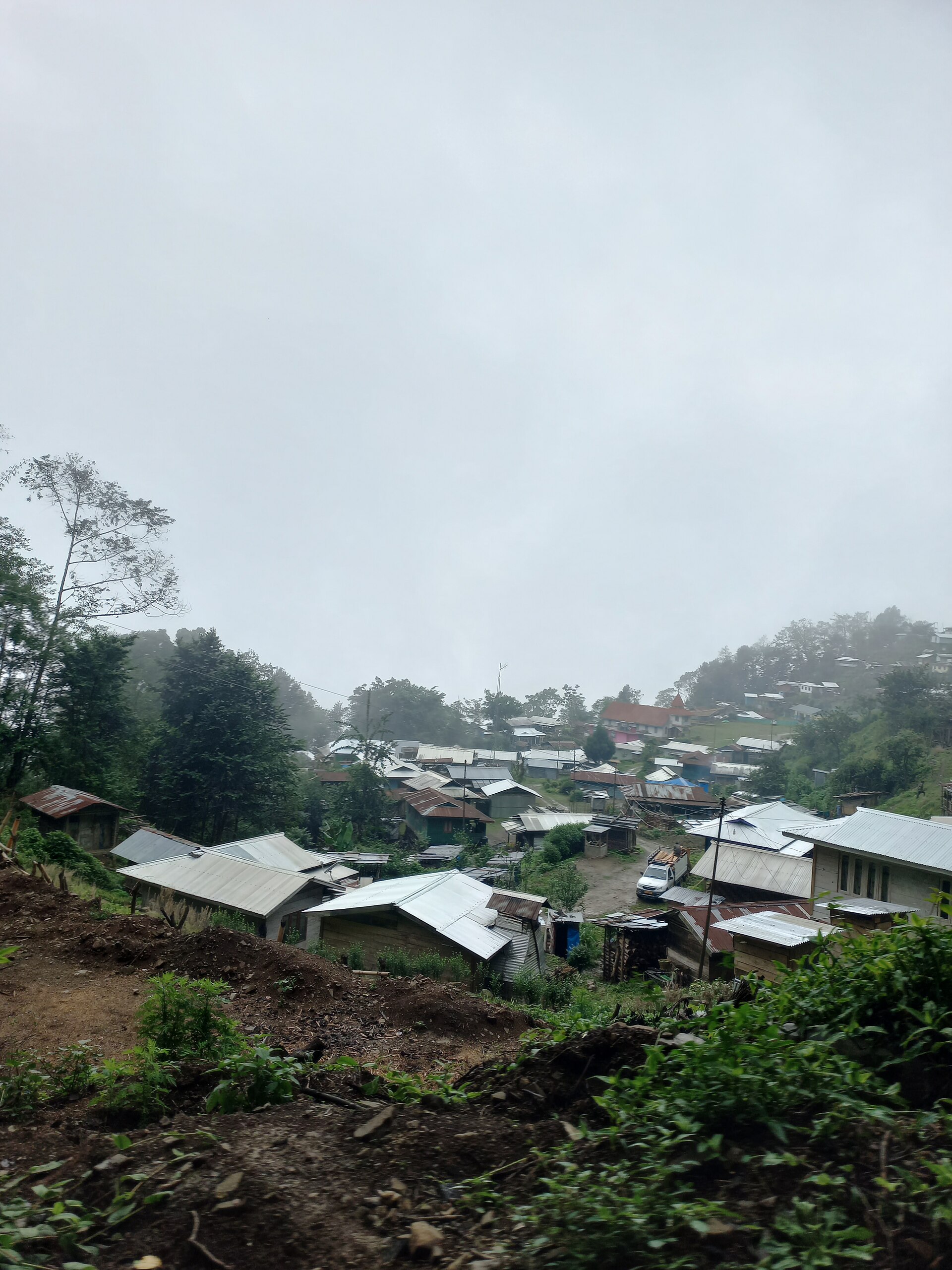
The Sangtam live principally in Kiphire and Tuensang districts in the eastern Naga hills. The drive from Kohima to Kiphire takes around eight hours.
Important Villages
Kiphire town, Sitimi and Pungro are among the principal Sangtam villages. Pungro is the gateway to Mount Saramati, the highest peak in Nagaland at 3,841 metres.
Traditional Attire
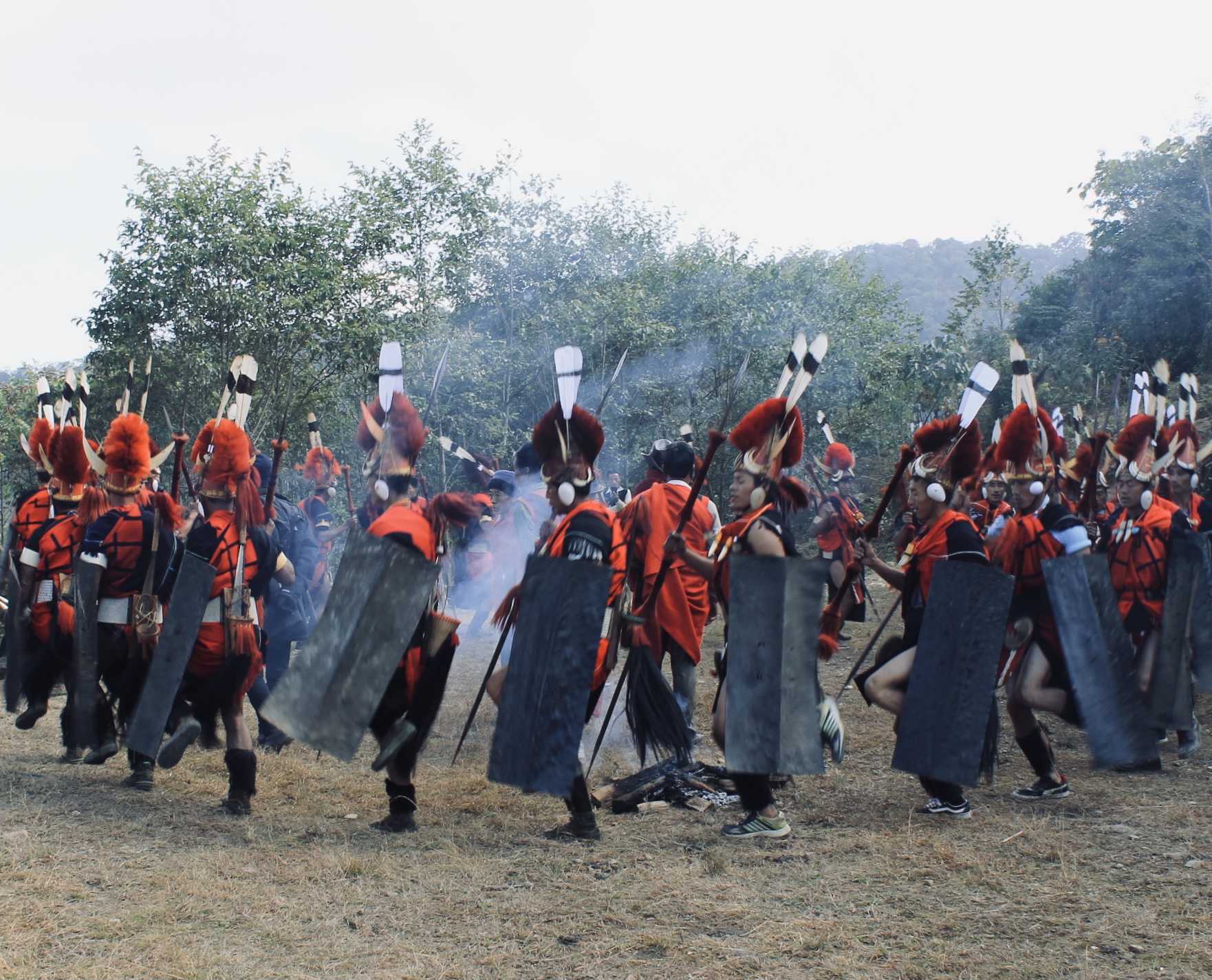
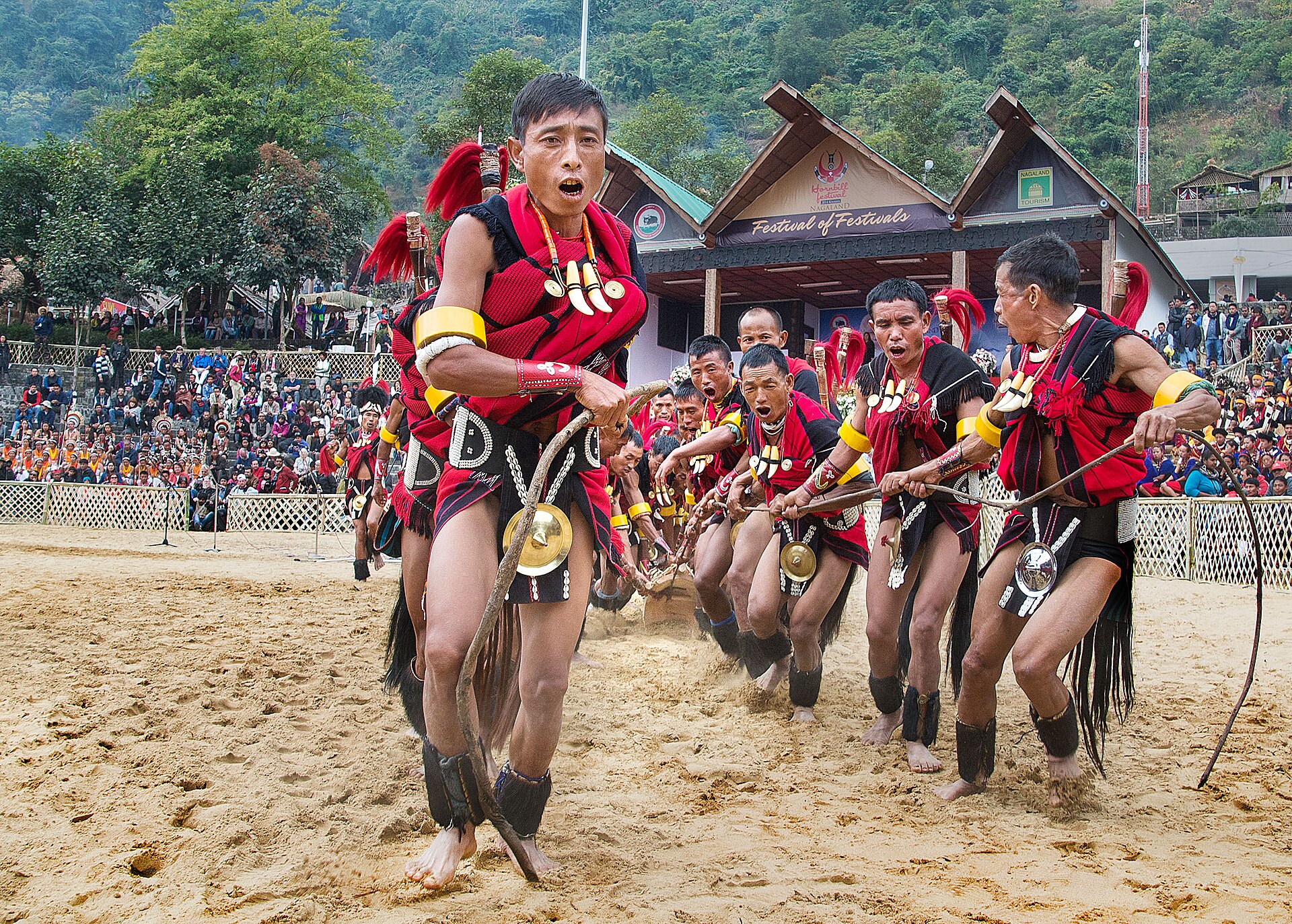
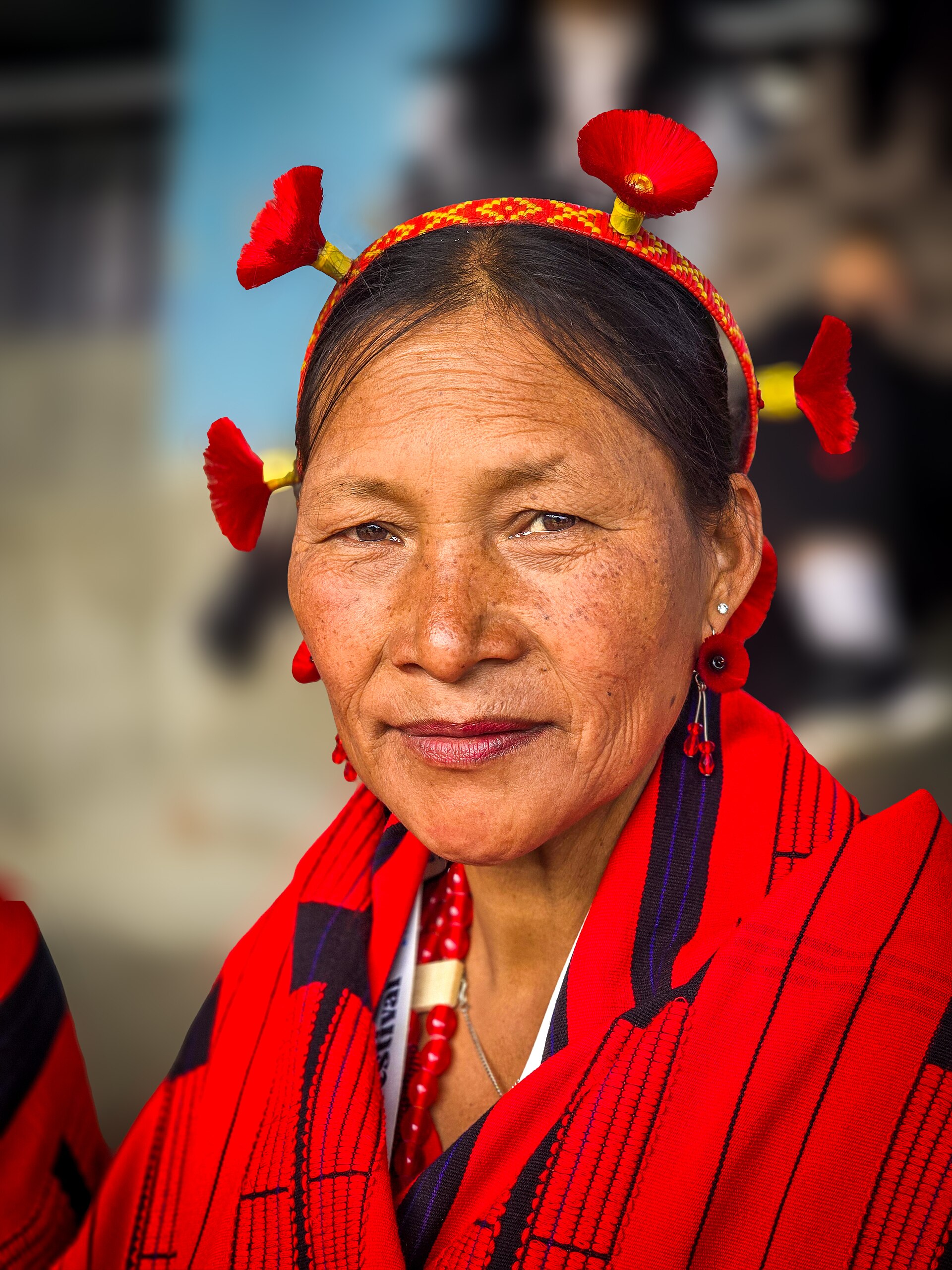
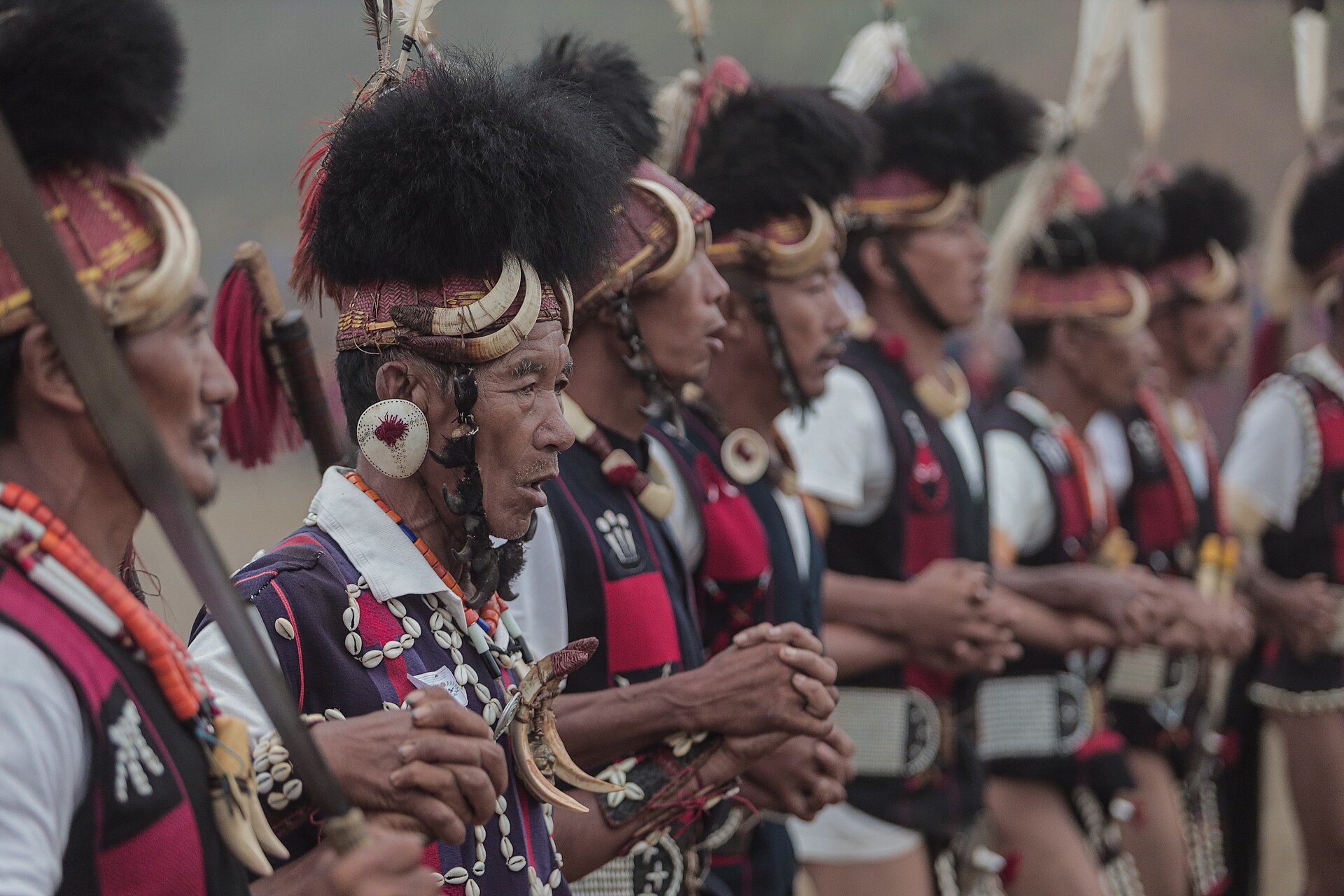
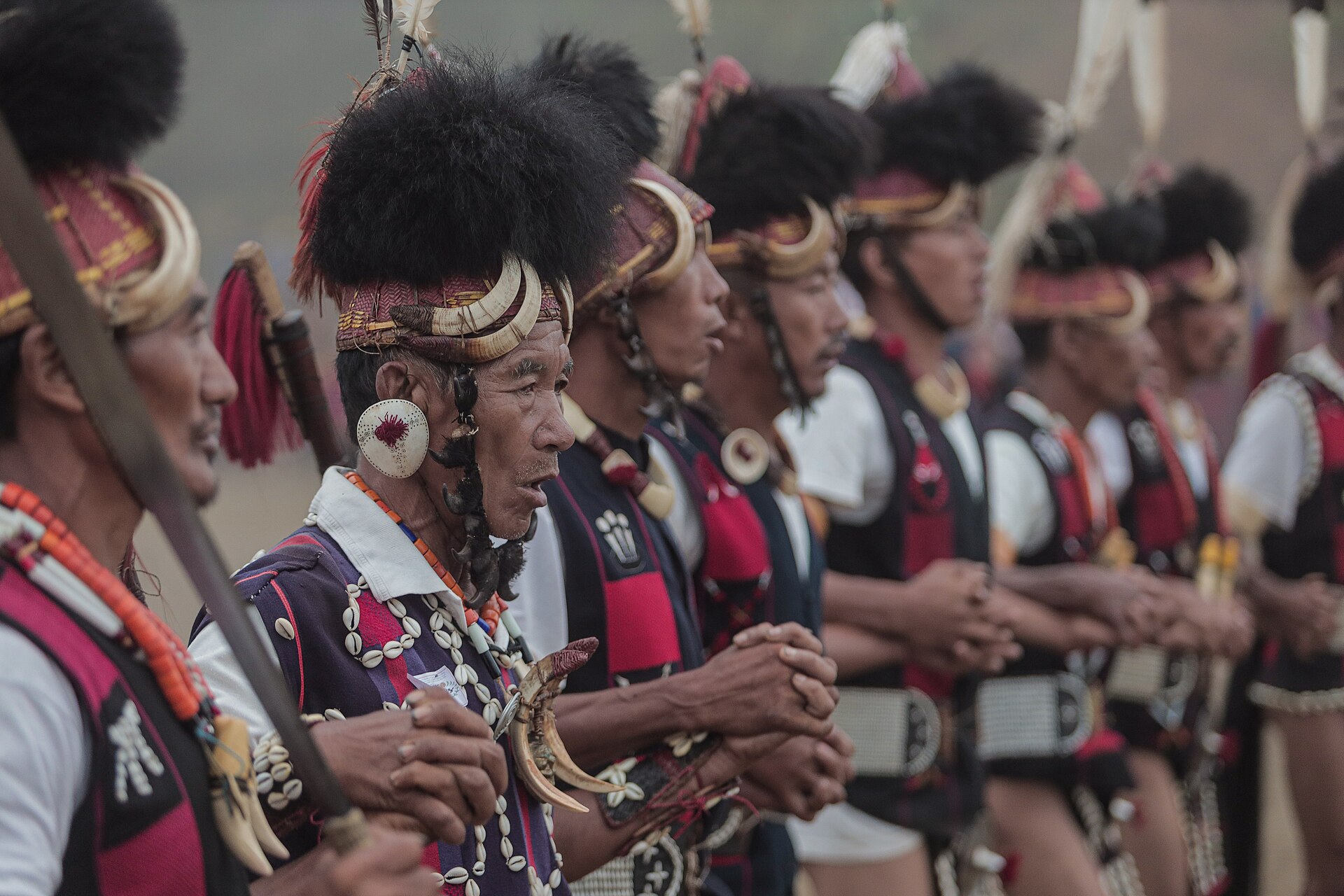
Sangtam men wear a black kilt with a ceremonial warrior shawl. Women wear wraparound skirts with bold bands and bead necklaces.
Morung & Architecture
Sangtam villages are built on hilltops with houses of timber and bamboo. The morung was once the centre of village life.
Culture & Lifestyle
Sangtam society is organised around clans and led by village councils. Jhum cultivation is the principal form of agriculture.
Festivals & Celebrations
Mongmong, celebrated in the first week of September, is the most important Sangtam festival. It marks the renewal of the household hearth and the worship of the supreme deity Lijaba.
Food & Cuisine
Sangtam cuisine features smoked pork, bamboo shoot, foraged greens and a wide range of chillies.
Arts, Music & Dance
Sangtam folk songs tell stories of legendary ancestors and great hunts. Traditional dances are performed at Mongmong and other festivals.
Role During Hornbill Festival
The Sangtam morung at Kisama features displays of traditional crafts and regular dance performances.
Jewellery & Ornaments
Sangtam men wear conch-shell baldrics and cornelian necklaces; women wear strings of red and yellow beads and brass earrings.
Tattoos & Body Art
Sangtam women of certain clans traditionally received chin and arm tattoos at puberty. The practice has largely ended but is preserved in archival photographs at the Kiphire district museum.
Photography Tips
Mongmong festival (1–3 September) in Kiphire is a strong off-season Sangtam shoot.
At Kisama the Sangtam morung is quieter than the major morungs — good for unhurried elder portraits.
Cultural Etiquette
Kiphire and Tuensang are remote — always travel with a local guide.
The Sangtam recognise distinct Northern and Southern sub-groups — address each by their sub-group name when known.
Related Hornbill Performances at Kisama
At Kisama the Sangtam morung features the Mongmong harvest dance and the singing of Sangtam folk songs.
Travel Information
The Sangtam homeland in Kiphire and Tuensang districts is reached most easily by road from Kohima or Dimapur. Most travellers fly into Dimapur (DMU), the only commercial airport in Nagaland, and continue by shared sumo or private vehicle. The drive from Dimapur to Kohima takes around two and a half to three hours; onward travel to the Sangtam districts varies from a couple of hours to a full day depending on the village.
Permits are essential. Indian travellers need an Inner Line Permit (ILP), which can be issued online or at entry points in Dimapur and Kohima. Foreign travellers need a Protected Area Permit (PAP) and must register at the Foreigners' Registration Office on arrival. We handle both as part of any booking.
October to April is the most comfortable window to visit. December is festival season — roads are busier, stays book out months in advance, and temperatures in the hills drop sharply at night. Carry layers, sturdy shoes for village walks, and a power bank; electricity in remote villages can be intermittent.
Accommodation Options
Stays in Sangtam country range from simple village homestays run by local families to mid-range guesthouses in the district headquarters. Kohima itself offers a wider choice — from deluxe properties like The Heritage and Razhü Pru to comfortable standard hotels closer to Kisama.
For a more immersive experience, we recommend at least one night in a traditional homestay. You'll share meals cooked over a wood fire, hear stories from elders, and wake to the sounds of a working Naga village. Most homestays are basic but spotlessly clean, with shared bathrooms and warm bedding.
During the Hornbill Festival (1–10 December), rooms in and around Kohima fill up by September. Booking early matters more than booking expensive — we'll suggest the right fit based on your dates, budget and how close to Kisama you want to be.
Gallery
Photographs from Kiphire, Pungro and Mount Saramati.
Photographs
Frequently Asked Questions
- When is Mongmong festival?
- Mongmong is the Sangtam harvest festival held annually from 1 to 3 September in Kiphire — a quiet, traditional celebration.
Plan a Sangtam Visit
Plan Your Visit
Meet the Sangtam at the Hornbill Festival
See the Sangtam morung in person at Kisama, or extend your trip with a visit to a Sangtam village in Kiphire & Tuensang Districts.