Introduction
The Sumi (also spelled Sema) are one of the major Naga tribes, concentrated in Zünheboto district in the central part of Nagaland. They are known across the Naga hills for a strong warrior tradition, vigorous war dances, and a deep loyalty to clan and family.
Sumi society was historically organised around powerful village chiefs, and many of the most dramatic episodes in Naga colonial history involved Sumi warriors.
History & Origins
Sumi oral history traces the tribe's migration from the south, with ancestral settlements at Khezhakeno before the spread to present-day Zünheboto. The Sumi developed a distinct social system in which a chief (Akukau) held considerable authority within the village.
American Baptist missionaries reached the Sumi area in the early twentieth century, and conversion to Christianity was rapid. Today the Sumi Baptist Church is one of the largest Christian denominations in Nagaland.
District & Location
Zünheboto district sits in the central Naga hills, around five to six hours' drive from Kohima. The district town of Zünheboto is built on a ridge and is famous for the Sümi Baptist Church — a vast white cathedral visible from miles away.
Important Villages
Lazami, Khukishe, Mishilimi and Aichisaghemi are among the well-known Sumi villages. Each has its own distinct character and clan history, and several maintain morungs and ceremonial grounds for festivals.
Traditional Attire
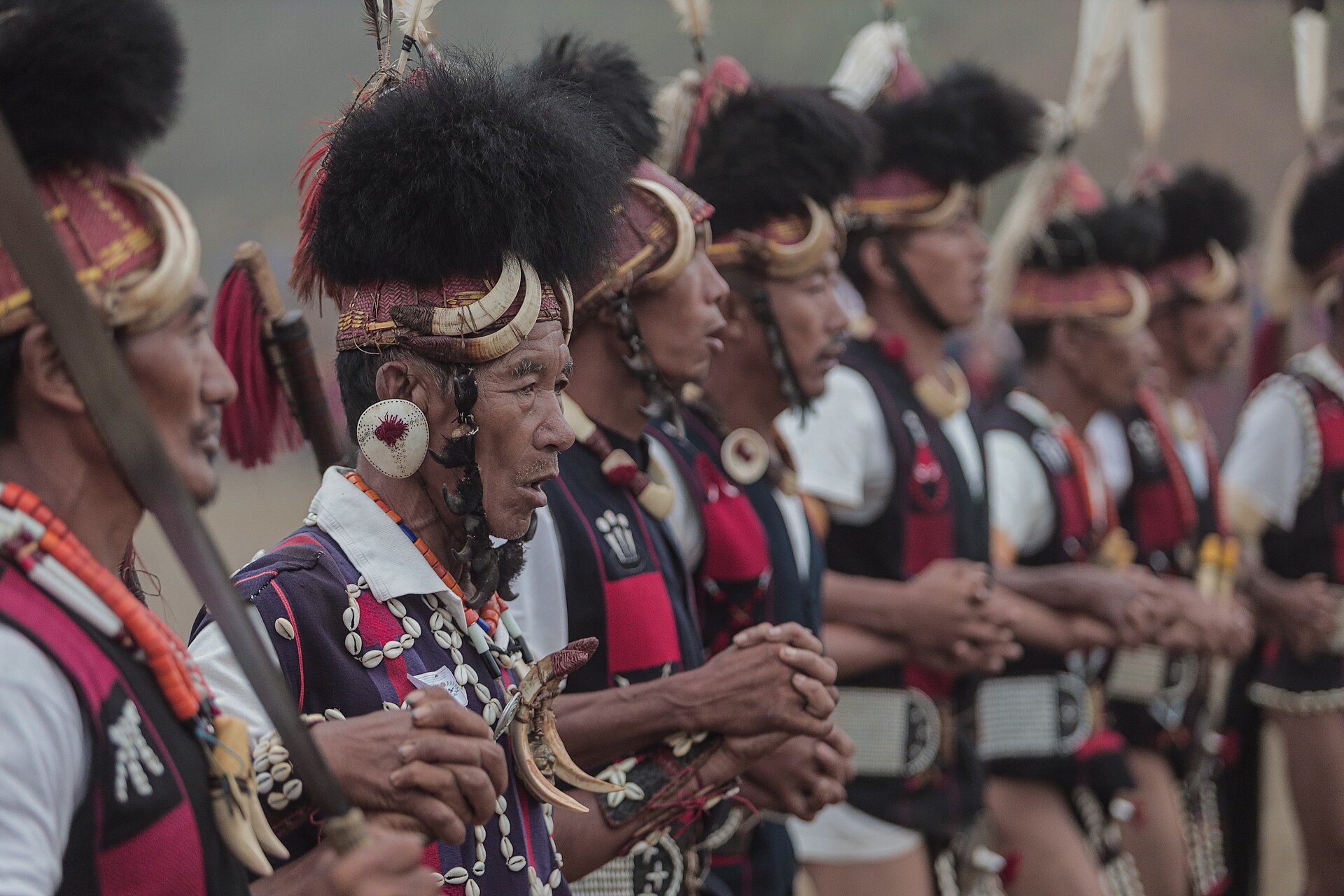
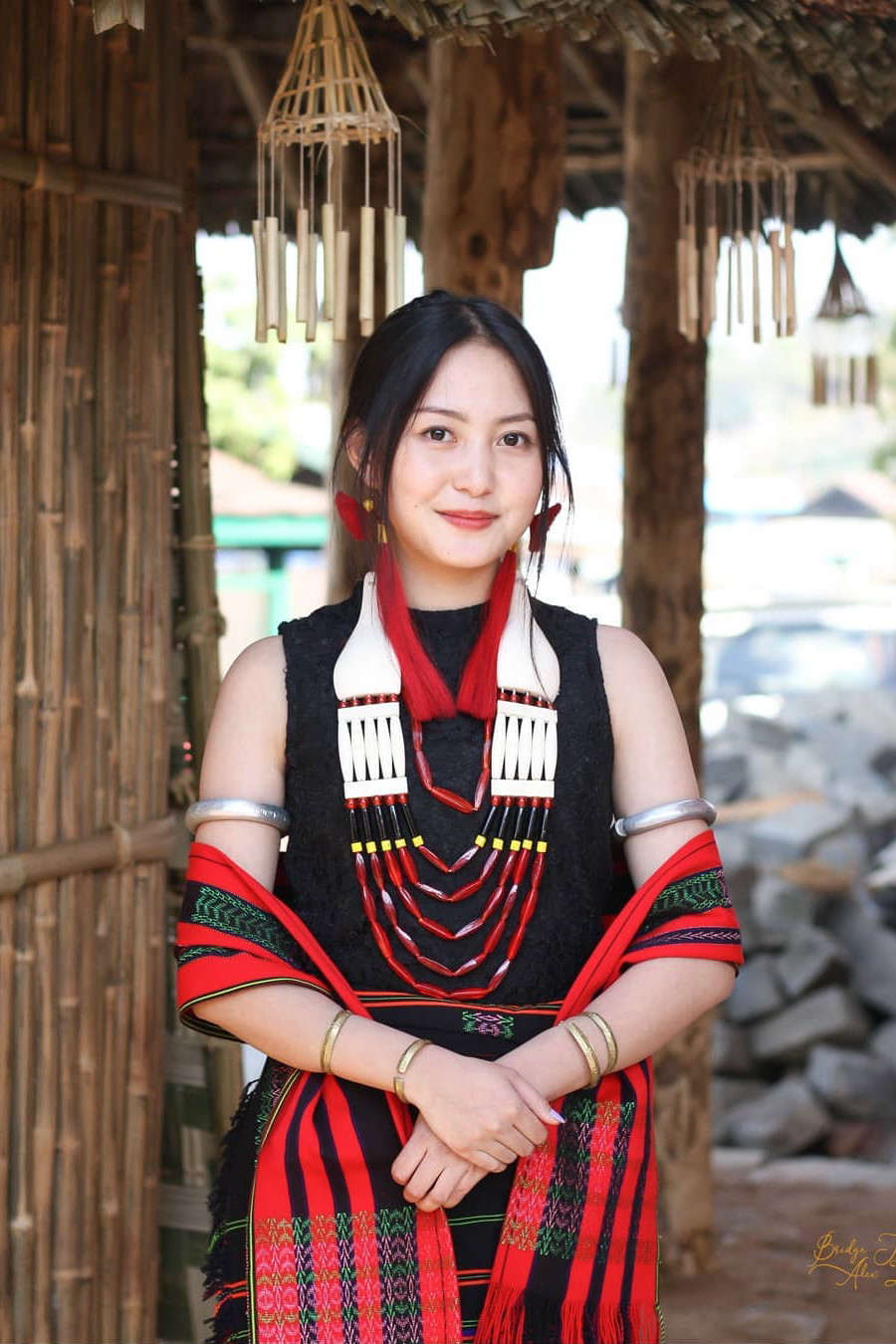
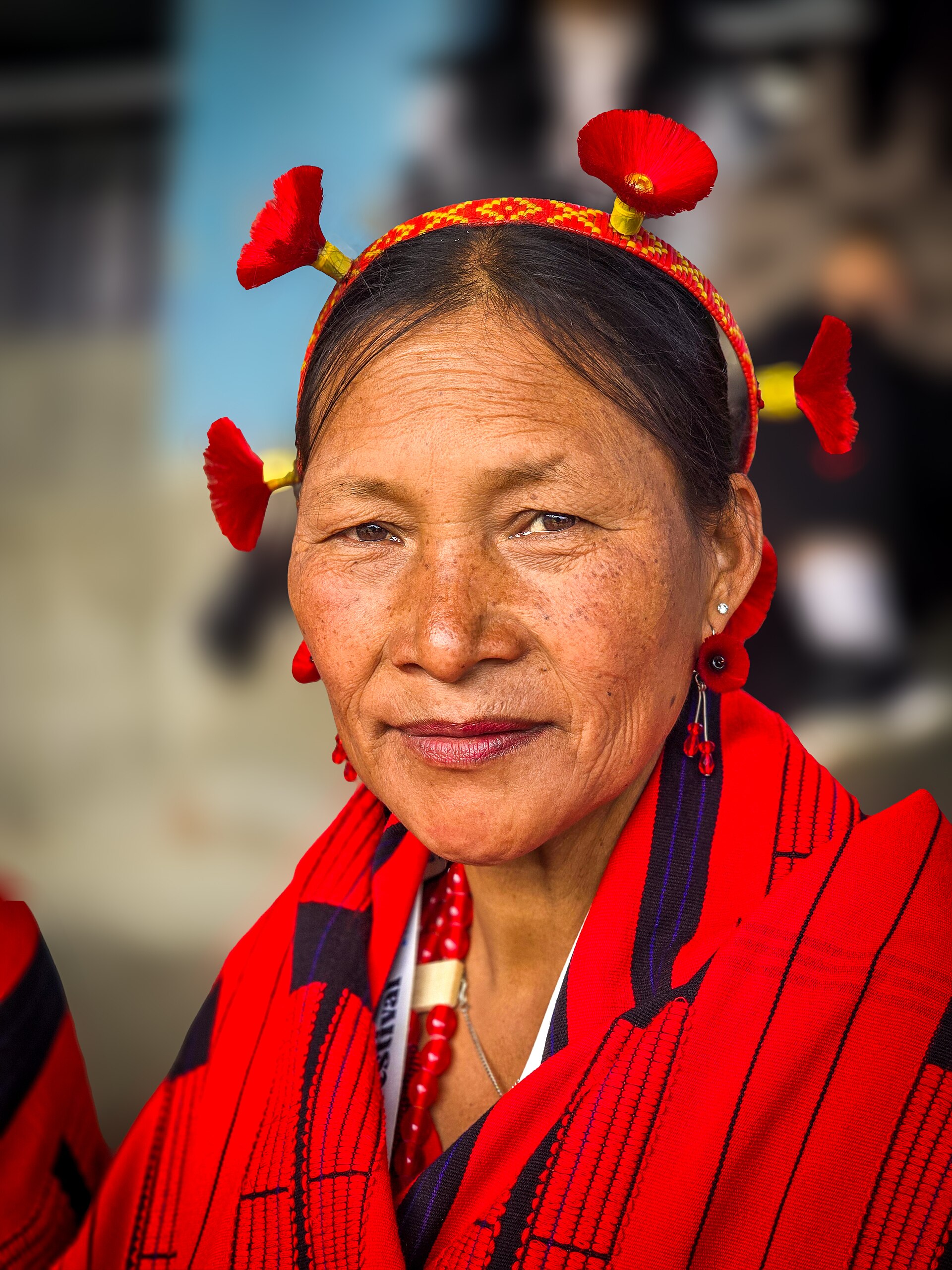
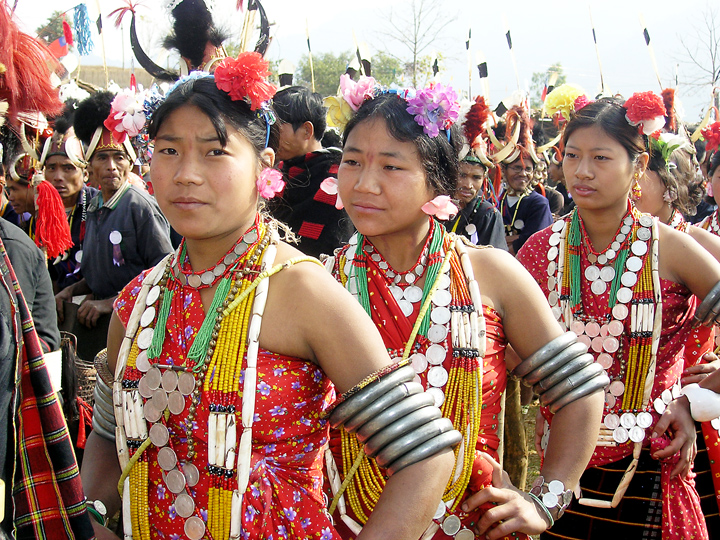
Sumi men wear the Avikhümi, a black kilt, with a richly decorated warrior shawl called the Lotosü or the Aphi küghami. Headdresses feature hornbill feathers, wild boar tusks and bear fur. Women wear wraparound skirts with bold red and black bands and heavy bead necklaces.
Morung & Architecture
The Sumi morung functioned as a dormitory for young men and a centre for the transmission of warrior skills, oral history and traditional crafts. Sumi villages are built on ridgetops with houses of timber and bamboo, often with carved gable horns to mark the homes of distinguished families.
Culture & Lifestyle
Sumi society is organised around clans (kighi) led by hereditary chiefs. The chief's role is both political and ceremonial — he leads village councils, mediates disputes and presides over major festivals. Jhum cultivation is the main form of agriculture, with millet, rice, maize and a wide range of vegetables grown together on the same plot.
Festivals & Celebrations
Tuluni, celebrated on 8 July, is the most important Sumi festival. It marks the season of plenty just before harvest, when granaries are still full and the year's crops are growing well in the fields. Families exchange gifts of meat and rice beer, and engaged couples meet to exchange ceremonial gifts.
Ahuna, celebrated in November, is a post-harvest festival of thanksgiving. The Sumi contingent at Hornbill Festival is known for its dramatic war dances.
Food & Cuisine
Sumi cuisine features smoked pork, fermented bamboo shoot, perilla seeds and a wide variety of foraged greens. Rice beer (Aluu) is brewed in every Sumi household, with each family having its own recipe.
Arts, Music & Dance
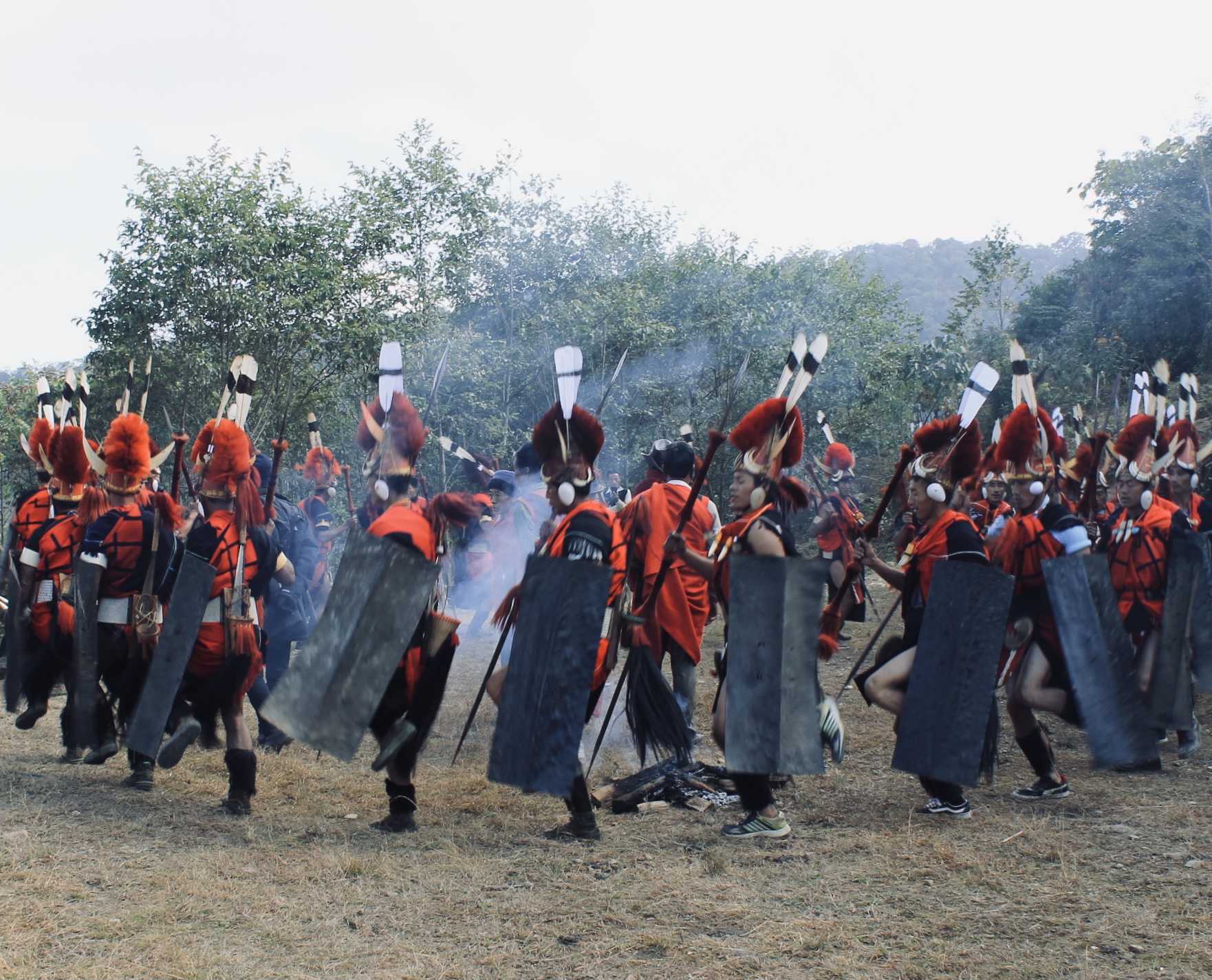
The Sumi war dance is one of the most physically powerful performances at Hornbill Festival, with warriors leaping high, brandishing daos and shouting war cries in unison. Folk songs are sung in deep harmonies and often tell stories of legendary chiefs and battles.
Role During Hornbill Festival
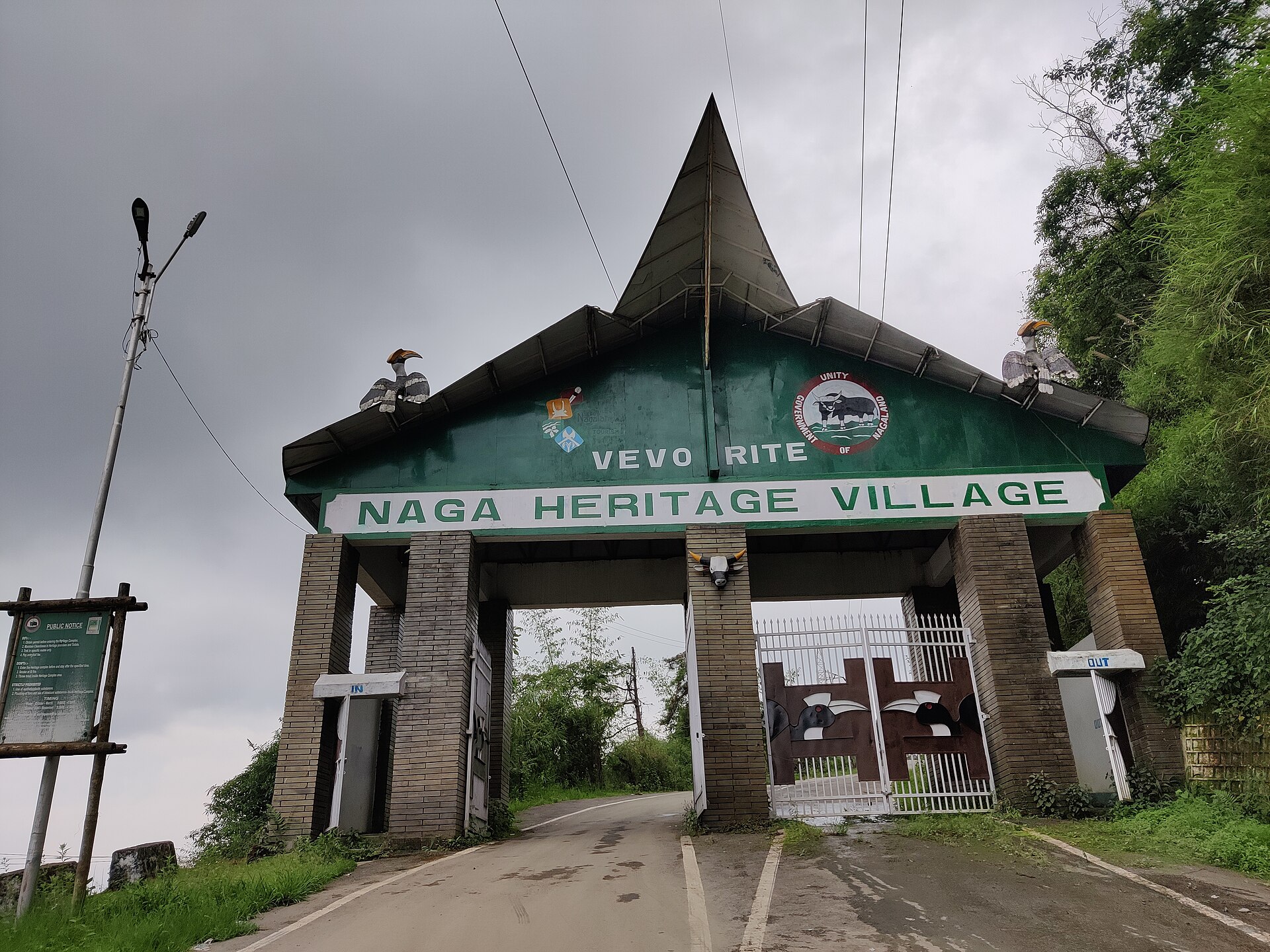
The Sumi morung at Kisama is a popular stop, with regular performances of the war dance and demonstrations of traditional weaving and bead-work. The Sumi Baptist Church choir often performs gospel and folk songs at the festival's evening programmes.
Jewellery & Ornaments
Sumi men wear elaborate Aphi necklaces of cornelian and conch shell, ivory armlets (Lashe) and the Avi headdress with hornbill plumes. Women wear strings of red beads (Mhusepi) and heavy brass earrings.
Photography Tips
Tuluni festival (8 July) in Zünheboto is the best off-season Sumi shoot — the colour palette is unforgettable.
At Kisama the Sumi morung's spear-and-shield mock-combat is performed at midday — fast shutter speed (1/1000) recommended.
Cultural Etiquette
Sumi villages observe strict Sunday rest; avoid arriving on Saturdays evening when families are preparing for Sunday service.
If offered Anishi or Axone (fermented soya), accept graciously — refusing is read as a comment on hospitality.
Related Hornbill Performances at Kisama
At Kisama, the Sumi morung features the Aphilo Kuwo war dance, the throwing of the spear, and live brewing demonstrations of the famous Sumi rice beer.
Travel Information
The Sumi homeland in Zünheboto district is reached most easily by road from Kohima or Dimapur. Most travellers fly into Dimapur (DMU), the only commercial airport in Nagaland, and continue by shared sumo or private vehicle. The drive from Dimapur to Kohima takes around two and a half to three hours; onward travel to the Sumi districts varies from a couple of hours to a full day depending on the village.
Permits are essential. Indian travellers need an Inner Line Permit (ILP), which can be issued online or at entry points in Dimapur and Kohima. Foreign travellers need a Protected Area Permit (PAP) and must register at the Foreigners' Registration Office on arrival. We handle both as part of any booking.
October to April is the most comfortable window to visit. December is festival season — roads are busier, stays book out months in advance, and temperatures in the hills drop sharply at night. Carry layers, sturdy shoes for village walks, and a power bank; electricity in remote villages can be intermittent.
Accommodation Options
Stays in Sumi country range from simple village homestays run by local families to mid-range guesthouses in the district headquarters. Kohima itself offers a wider choice — from deluxe properties like The Heritage and Razhü Pru to comfortable standard hotels closer to Kisama.
For a more immersive experience, we recommend at least one night in a traditional homestay. You'll share meals cooked over a wood fire, hear stories from elders, and wake to the sounds of a working Naga village. Most homestays are basic but spotlessly clean, with shared bathrooms and warm bedding.
During the Hornbill Festival (1–10 December), rooms in and around Kohima fill up by September. Booking early matters more than booking expensive — we'll suggest the right fit based on your dates, budget and how close to Kisama you want to be.
Gallery
Photographs from Zünheboto town, Lazami village and Tuluni festival.
Photographs
Frequently Asked Questions
- What is Tuluni festival?
- Tuluni is the Sumi mid-year festival held on 8 July, marking the maturing of the rice crop and the bond between communities — celebrated with rice-beer feasts and traditional games.
- Is Zünheboto open to tourists?
- Yes, with an ILP for Indian visitors and a PAP for foreigners. Zünheboto is a 5-hour drive from Kohima.
Plan a Sumi Visit
Plan Your Visit
Meet the Sumi at the Hornbill Festival
See the Sumi morung in person at Kisama, or extend your trip with a visit to a Sumi village in Zünheboto District.